Maysa Yousef sent her husband to a market in central Gaza on Thursday evening to buy food for the weekend, but he returned with almost nothing. Shopping has turned into an exercise in timing and improvisation for the artist and mother of three. Without refrigeration, her family cannot buy provisions too early. Evening trips, however, yield bare shelves. When her husband called from the market, she suggested they cook mjaddara. He told her he could find neither rice nor lentils, so her household relies on whatever remains in the cupboards.
Her family’s struggle reflects a wider food crisis across the besieged territory. Shortages of flour and basic staples threaten to shutter remaining bakeries as residents exhaust their savings. Continuing Israeli restrictions on humanitarian aid and commercial supplies have higher fears of a return to the famine conditions recorded in 2025. Field teams from the Euro-Mediterranean Human Rights Monitor visited local markets and found severe shortages of fruit, vegetables, and essentials. Much of the remaining food is unaffordable for residents whose livelihoods have been destroyed by the blockade and repeated displacements.
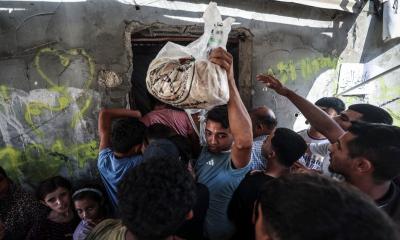
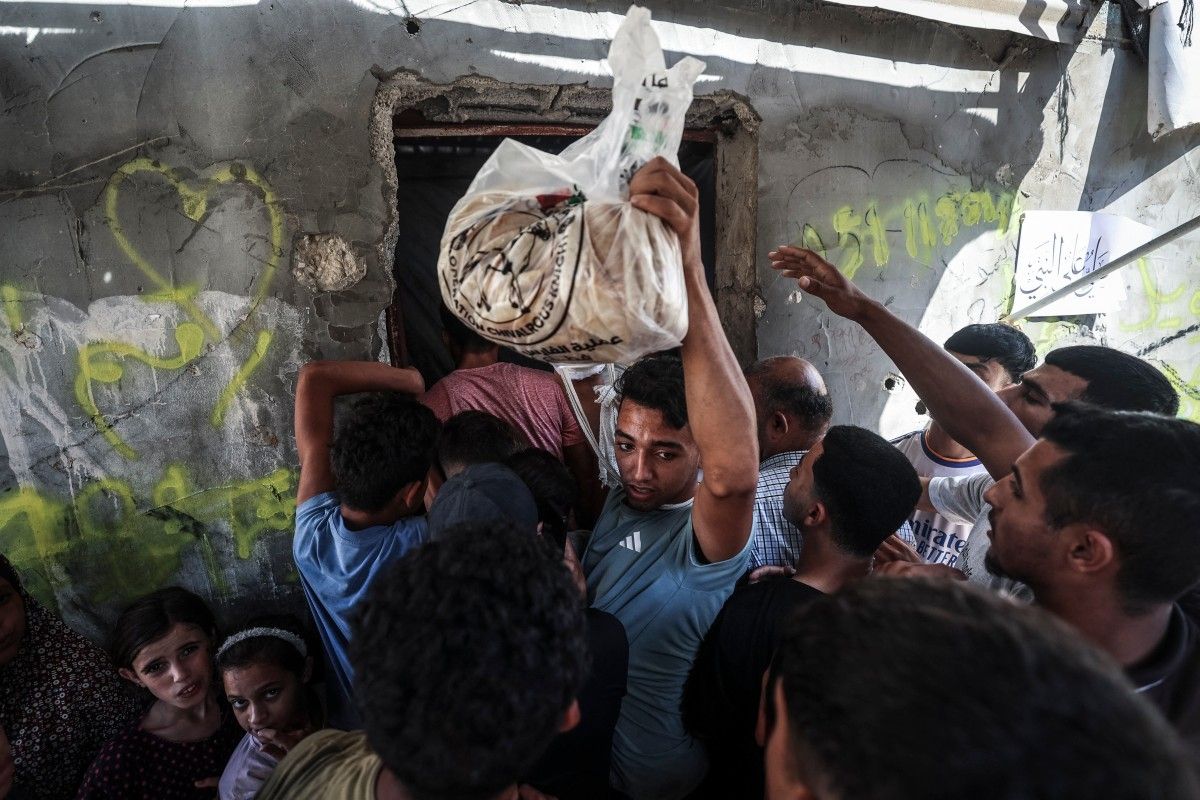
Bread production is also in immediate jeopardy. Warehouse flour stocks have run out, leaving the seven bakeries still operating in Gaza at risk of closing within 48 hours unless deliveries resume. Abdul Nasser Al-Ajrami, head of Gaza’s Bakeries Association, blamed the closures on Israel shutting border crossings over the past week and refusing to admit commercial flour shipments. Speaking to the official Palestinian Wafa news agency, Al-Ajrami said some traders compounded the shortages by withholding basic goods and selling older stock at inflated prices.
Residents report exorbitant costs for basic items. A 50-kilogram sack of flour that cost 200 shekels during the previous famine now commands high prices, while a small portion of potatoes costs significantly more than before. A tray of eggs has jumped from 17 shekels to about 150 shekels. Meat is expensive, scarce, and often of questionable quality. Maysa Yousef noted that meat now costs 70 shekels per kilogram, nearly double its previous price, and is old and discoloured.
Israeli authorities blame a dispute between Palestinian merchants and Hamas for the halt in commercial deliveries. COGAT, the Israeli military body coordinating civilian affairs, stated that merchants halted shipments over a Hamas-imposed fee of 10,000 shekels per truck, alongside a demand that 30 percent of sales be conducted in cash. Hamas rejected the account as a blatant disinformation campaign, describing the payment as a voluntary contribution to support widows and orphans. Nahed Sheheiber, head of Gaza’s private truckers union, also disputed the Israeli explanation, stating that merchants did not stop the shipments and that Israeli restrictions are to blame. Sheheiber expressed hope that shortages would ease if promised goods are permitted to enter.
As commercial supplies falter, humanitarian assistance is also shrinking. The World Food Programme announced on October 19 that funding shortages forced it to cut food assistance in Gaza by about a third, leaving half a million people without critical support. An estimated 1.4 million people, representing 67 percent of the population, face crisis levels of acute food insecurity or worse. While this is down from 1.6 million people at the end of 2025, about 200,000 individuals remain at the emergency level classification requiring immediate intervention.
More than 80 percent of the population is unemployed, and roughly 90 percent relies entirely on humanitarian food assistance. Community kitchens are struggling to keep pace. Daily cooked-meal production fell from 695,000 meals in late September to 614,000 in early October due to funding constraints. The UN Office for the Coordination of Humanitarian Affairs reported that some locations now receive meals only every other day.
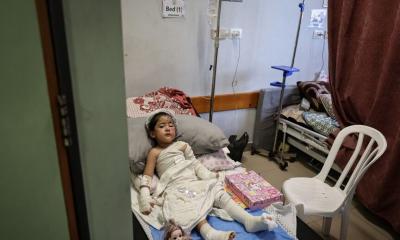
Food monitoring data shows the toll on households. WFP surveys from September indicate that 44 percent of households reported someone going to bed hungry at least once in a 30-day period, while 45 percent completely ran out of food. Only one in five children consumes a sufficiently diverse diet, and about 3,000 young children continue to face severe nutritional risks.