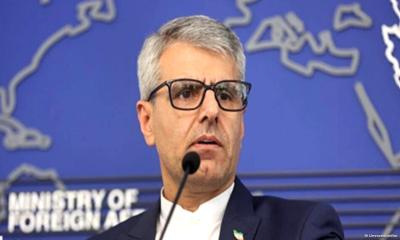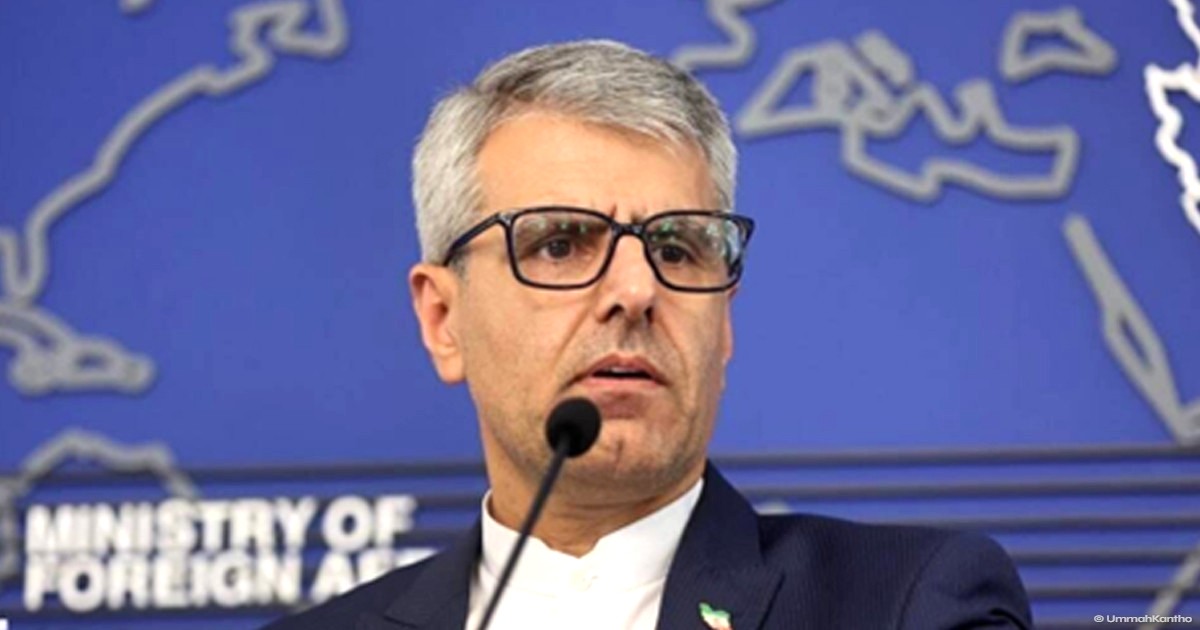
Iranian Foreign Ministry Spokesperson Ismail Baghaei has delivered a stern reminder to global powers, asserting that the history of Iranian resistance and victory against aggressors is as enduring as the Persian civilization itself. In a series of statements posted on the social media platform X on Sunday, Baghaei emphasized that Iran has consistently emerged victorious and honorable from conflicts with various empires throughout the ages. His remarks come at a time of heightened regional tension, serving as a narrative bridge between Iran`s ancient military heritage and its modern-day diplomatic resolve.
Baghaei wrote that throughout history, Iranians have stood firm not just against singular entities but against multiple empires and their organized legions. He claimed that in every era, the Iranian people have managed to preserve their dignity and sovereignty through a spirit of resistance that predates many modern nations. By invoking the long timeline of Persian history, Baghaei sought to portray current Iranian policy as a continuation of a millenia-old tradition of self-defense and national pride, suggesting that the nation`s resolve remains unshaken despite external pressures.
To illustrate his point, the spokesperson highlighted a pivotal moment in ancient military history: the Battle of Carrhae in 53 BC. Baghaei noted that on this very day centuries ago, the legendary Iranian General Surena led a significantly smaller and less equipped force to a crushing victory over the well-armed Roman legions. The battle resulted in the death of Crassus, one of the most powerful figures in the Roman Triumvirate, effectively shattering the myth of Roman invincibility. According to Baghaei, this historic victory was a decisive blow that permanently halted Rome`s expansionist dreams toward the East.
In a poignant warning directed at contemporary political leaders, Baghaei remarked that history repeats itself for those who fail to study it or learn from its lessons. This statement is widely interpreted as a message to modern-day adversaries who might be considering military action against the Islamic Republic. By drawing a direct parallel between the defeat of the Roman legions and the potential fate of modern aggressors, Baghaei underscored the risks associated with underestimating Iranian strategic depth and historical resilience. He suggested that the "legions" of today might face a similar outcome if they choose the path of confrontation over diplomacy.
International observers and analysts suggest that Baghaei`s use of historical rhetoric is a calculated move to reinforce Iran’s strategic narrative. By framing the current geopolitical struggle as a chapter in a much larger historical saga, Tehran aims to project a sense of inevitability regarding its endurance. Baghaei`s message is clear: the spirit of General Surena lives on in the modern Iranian state. He concluded that for those who ignore the historical precedents of the region, the consequences of aggression have remained remarkably consistent over thousands of years.
Given Baghaei`s emphasis on the "Battle of Carrhae" as a warning to modern powers, do you think historical parallels like this effectively influence modern diplomatic discourse, or are they seen mostly as domestic rhetoric?