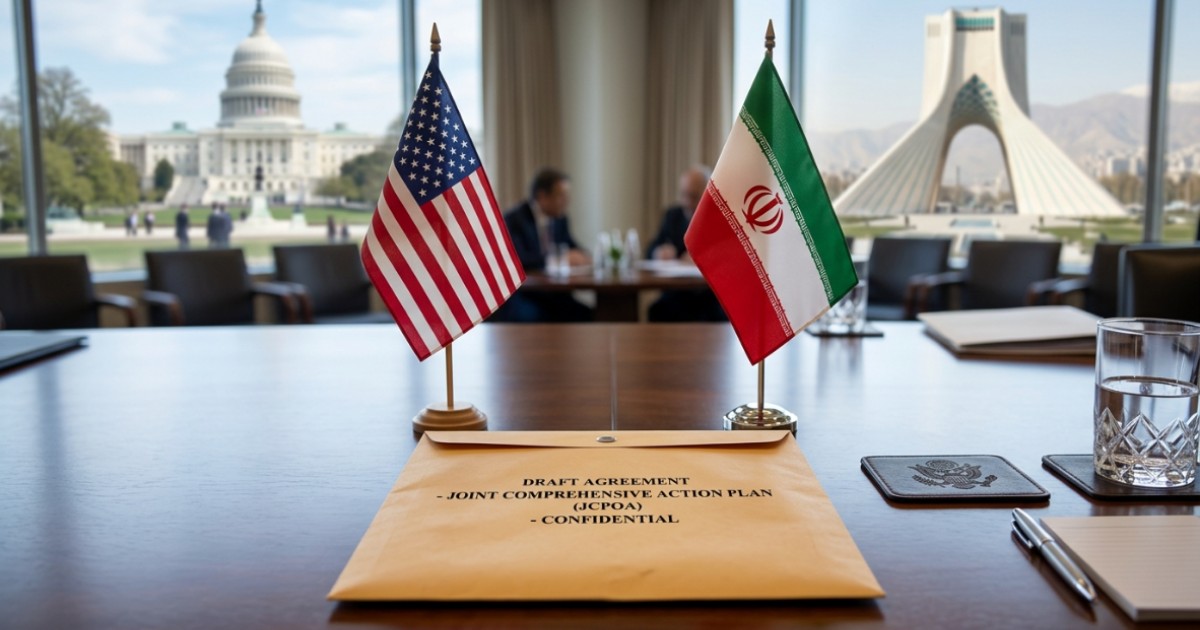
Tehran could receive a massive $300 billion international reconstruction program fund if a historic peace agreement is successfully signed between the United States and Iran. Diplomats and negotiators from both nations are actively working on a potential draft framework to resolve long-standing geopolitical friction. According to an exclusive report published by The New York Times, the proposed international fund will be strictly utilized to revive Iran`s severely damaged economy and rebuild vital domestic infrastructure, including roads, power grids, industrial sectors, and cities once the broader conflict concludes.The draft aims to systematically revitalize the Iranian economy.
International officials clarified that this initiative will operate as a global investment fund, meaning the necessary financial capital will be pooled from multiple countries with direct assistance from the United States administration. The structural framework also includes a provision to release approximately $24 billion worth of frozen Iranian assets currently held in foreign banking institutions, including the United Arab Emirates. However, Tehran has firmly maintained that these blocked sovereign assets must be fully unfrozen before any final high-level negotiations can officially commence. Anonymous diplomats revealed that the draft contains several critical clauses, including a permanent cessation of hostilities and a formal non-aggression pact ensuring neither nation targets the other militarily. Mediators hope this diplomatic breakthrough will expand beyond bilateral ties to foster a comprehensive regional peace plan, potentially securing a ceasefire in Lebanon.
Regarding the highly sensitive nuclear issue, Iran must formally agree not to develop atomic weapons, leaving the ultimate fate of its enriched uranium stockpiles to be settled in a conclusive package. During active talks, Tehran will freeze specific segments of its nuclear program while Washington refrains from imposing additional economic sanctions. US President Donald Trump previously demanded that Iran transfer its enriched uranium directly to American soil, a condition Tehran rejected in favor of keeping it domestically under international verification with reduced density. President Trump later indicated he might accept options involving density down-blending or relocation to a neutral third country, provided the material is not stored in Russia or China. Additionally, the current draft permits Iran to continue limited crude oil and petrochemical exports to attract foreign direct investments, alongside granting a temporary 30-day window for commercial maritime traffic through the vital Strait of Hormuz.