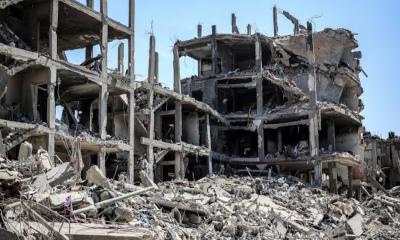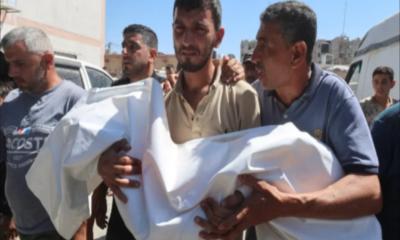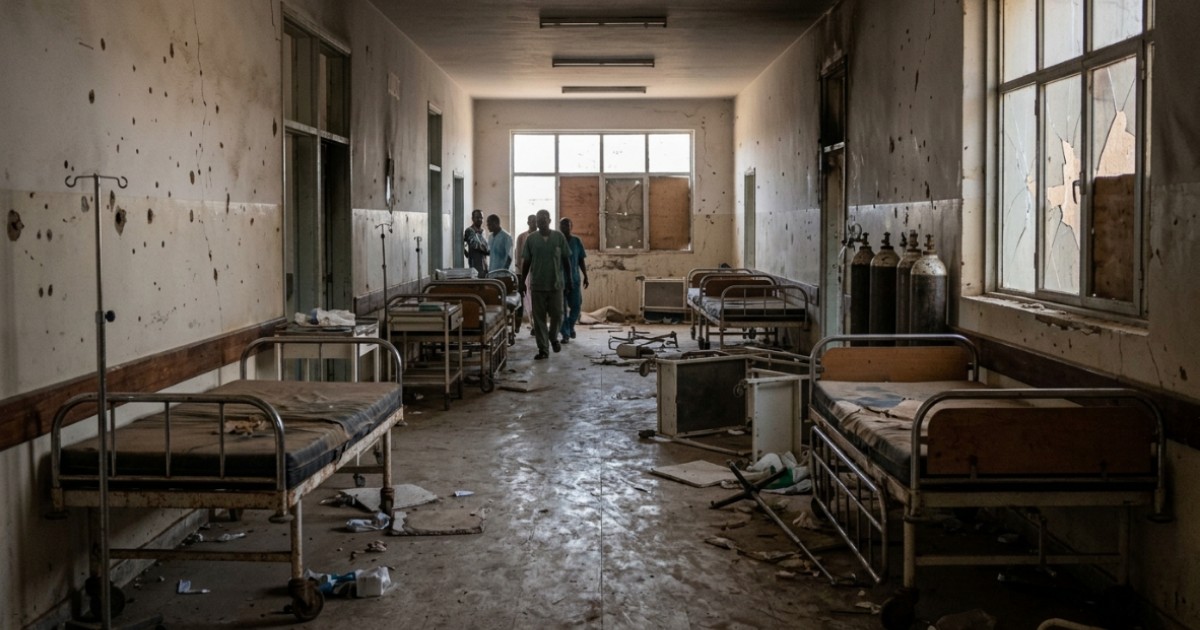
Inside his war-damaged home in the Khartoum North neighborhood of the Sudanese capital, Murtada Mohieddin, a diabetic patient in his early 50s, carefully counts his remaining doses of insulin. For him and thousands of others, the search for life-saving medicine has transformed into a volatile struggle to ensure the drugs are not expired or completely ruined. More than three years of devastating conflict have thoroughly crippled Sudan’s healthcare infrastructure, forcing vital medical supply chains to collapse entirely. The ongoing power struggle between the Sudanese Armed Forces (SAF) and the paramilitary Rapid Support Forces (RSF) has shut down factories, clinics, and medical storage zones nationwide.The intense Sudan war has pushed the local healthcare system to the edge of complete collapse.
According to latest figures from global humanitarian agencies, the conflict has killed more than 50,000 people and displaced 14 million individuals, representing nearly a quarter of the entire population. In the massive vacuum left by the sudden closure of domestic pharmaceutical companies, illicit smuggling networks have flourished, flooding local markets with unregulated drugs known as "Boko" medicines. These include critical intravenous malaria medications brought across porous borders without proper temperature monitoring or quality authorization. Because these items completely bypass necessary refrigeration during transit, they frequently degrade, rendering them entirely ineffective or lethally toxic to desperate patients.
In local pharmacies operating on the outskirts of Omdurman, patients face the double threat of exorbitant black-market prices and life-threatening quality issues. Local pharmacists warn that administering improperly stored or degraded smuggled injections directly bypasses the body`s natural defenses, rapidly inducing severe bloodstream infections, systemic shock, or sudden death. The ongoing violence has effectively dismantled decades of medical self-reliance in the country. Before the conflict, local production lines managed to manufacture vast quantities of chronic disease medications, including treatments for blood pressure and diabetes. Today, those operations are completely silent, leaving millions exposed to a shattered medical ecosystem.
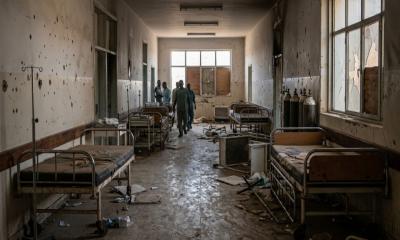
A World Health Organization public health situation analysis revealed that approximately 40 percent of health facilities nationwide are completely nonoperational. The regional breakdown remains even more severe, with 87 percent of facilities permanently closed in Khartoum and 85 percent shut down across North Kordofan. Government officials at the National Medical Supplies Fund admitted that main central warehouses at their headquarters have completely collapsed due to targeted shellings. Furthermore, international aid deliveries from neighboring countries face immense logistical delays, often taking up to 90 days to transit from Cameroon via Chad to remote regions like Darfur. Compounding these delays, armed factions routinely loot remaining pharmacies and assault medical personnel.
Recent weeks have seen systematic attacks on the country`s dwindling medical spaces, including a devastating drone strike on Al-Daein Teaching Hospital in East Darfur that killed 64 people. Another drone attack on Al-Jabalain Hospital in White Nile state killed ten staff members, including the facility`s director while he was performing active surgery. WHO Director-General Tedros Adhanom Ghebreyesus recently issued an urgent warning, stating that Sudan is confronting one of the gravest public health emergencies in the modern world. He heavily emphasized that the country cannot endure this spiraling humanitarian tragedy alone without immediate international intervention and renewed solidarity.