The Casablanca Court of Appeal in Morocco handed prison sentences of up to 12 years to 29 individuals, including prominent politicians and sports figures, late Thursday following a major international drug trafficking trial, according to reports from AFP and AP. The landmark verdicts concluded a grueling two-year judicial process, marking one of the most significant anti-corruption and anti-organized crime operations in modern Moroccan history. Presiding Judge Ali Torchi delivered the sentences along with multi-million-dollar asset confiscations, causing immediate emotional outbursts and chaotic scenes among the relatives inside the packed courtroom.
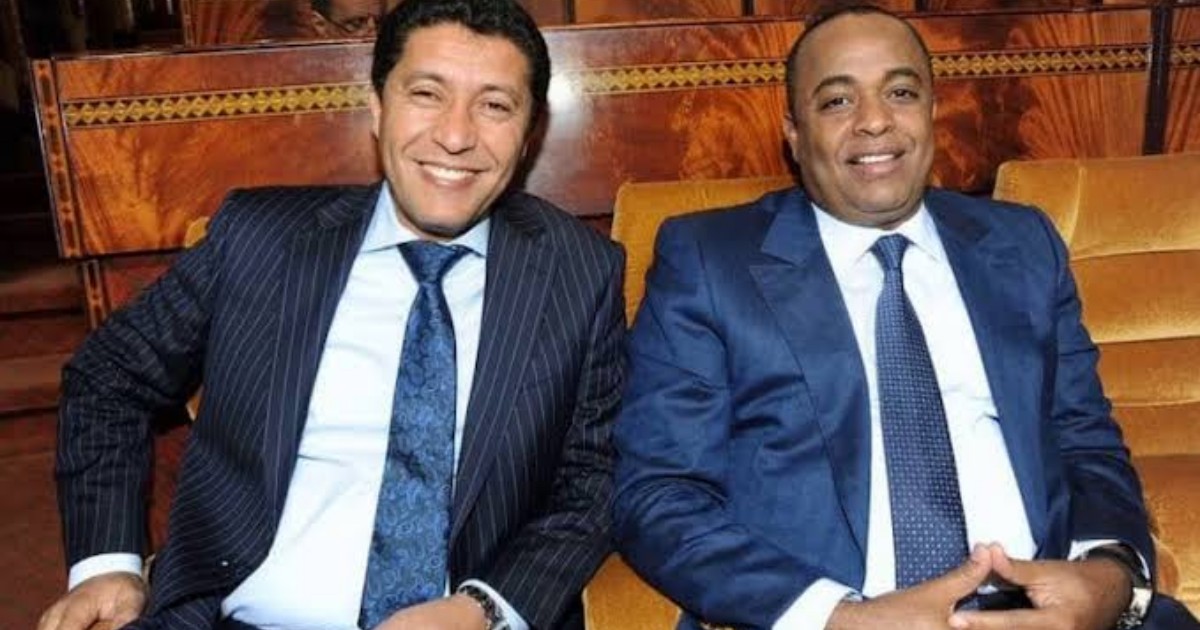
Among the high-profile defendants convicted in the Morocco drug trafficking case were senior members of the co-governing Authenticity and Modernity Party, also known as PAM. Abdennebi Bioui, a wealthy construction tycoon and former president of the Oriental Regional Council, received the heaviest penalty of 12 years in prison for forging official documents and international narcotics trafficking. Saïd Naciri, the former president of the prominent Casablanca football club Wydad AC and an ex-member of parliament, was sentenced to 10 years for fraud, abuse of power, and document forgery. Belkacem Mir, another former PAM lawmaker, also received a 10-year term for bribery and facilitating illegal border crossings, while the remaining 26 defendants received sentences ranging from two to nine years.
The massive judicial investigation was initially triggered by explosive courtroom testimony from El Hadj Ahmed Ben Brahim, a notorious Malian drug lord nicknamed the "Pablo Escobar of the Sahara." Ben Brahim, who is currently serving a separate 10-year sentence in a Moroccan prison after his arrest in 2019, told judicial investigators that his former political and business associates had betrayed him. He alleged that his Moroccan partners seized millions of dollars worth of his luxury real estate portfolios, high-end apartments, and dozens of vehicles following his detention. The resulting police investigation unraveled a highly sophisticated criminal network capable of transporting tonnes of Moroccan cannabis resin across North Africa to Europe alongside Latin American cocaine shipments.
To dismantle the financial empires built by the cartel in this Morocco drug trafficking case, the Court of Appeal ordered massive financial penalties alongside the lengthy prison sentences. The court ordered direct asset seizures of 10 million dirhams from Bioui, 8 million dirhams from his brother Abderrahim Bioui, who received nine years, and 6 million dirhams from Naciri. Additionally, the defendants were ordered to jointly pay billions of dirhams to the Administration of Customs and Indirect Taxes for widespread smuggling and foreign exchange control violations. This extensive corruption scandal has deeply shaken the country`s political establishment, prompting King Mohammed VI to publicly call for a legally binding code of ethics to restore integrity within the national parliament.
What remains unclear is whether this dramatic judicial outcome in the Morocco drug trafficking case will successfully deter the deeply entrenched transnational networks operating along the Mediterranean drug corridors. Although Morocco recently legalized cannabis cultivation for specific medical and industrial purposes, illegal trafficking remains a lucrative enterprise due to the country`s geographic proximity to southern European markets. Defense attorneys are expected to appeal the verdicts to a higher judicial authority in the coming weeks. For now, the landmark convictions represent a rare and decisive step by the independent Moroccan judiciary against high-level state corruption and organized crime.