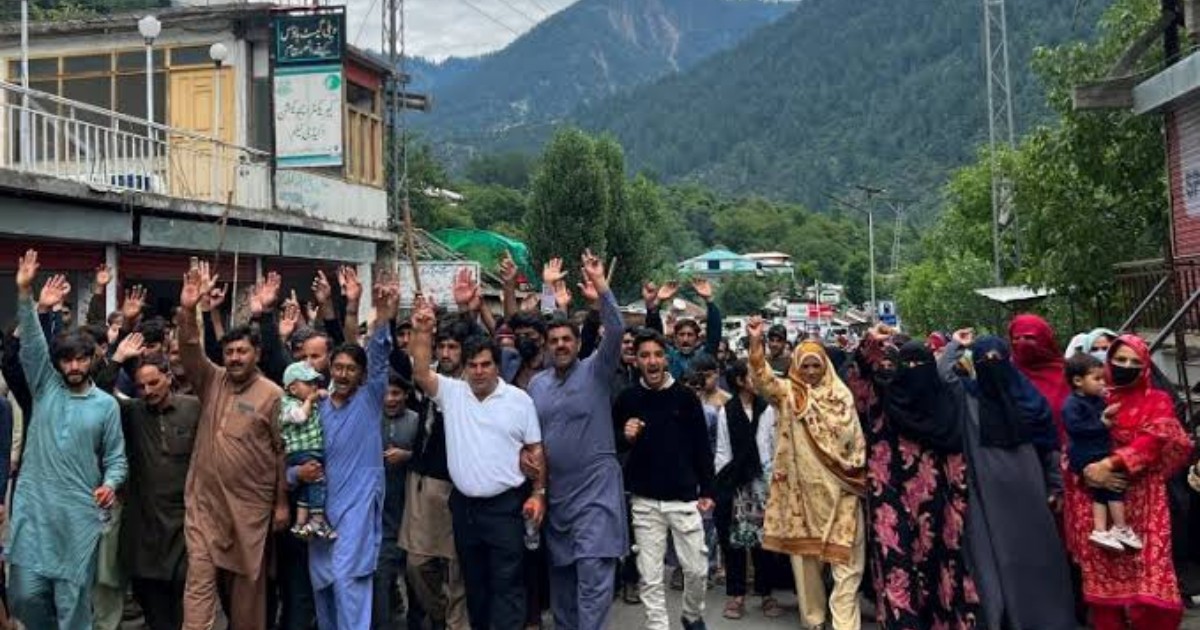
The United Nations human rights chief called for an independent investigation into deadly unrest in Pakistan-administered Kashmir on Friday, according to AP and Reuters. UN High Commissioner for Human Rights Volker Turk strongly urged Islamabad to initiate prompt, thorough, and impartial investigations into both civilian and security force fatalities. The escalating violence has broken out ahead of the regional Legislative Assembly elections scheduled for July 27, creating profound instability throughout the disputed territory. Global officials emphasized that protecting human lives and safeguarding basic human rights must be treated as the highest priority during this volatile political period. Severe measures implemented by the administrative authorities have reportedly exacerbated local grievances and intensified regional political standoffs.
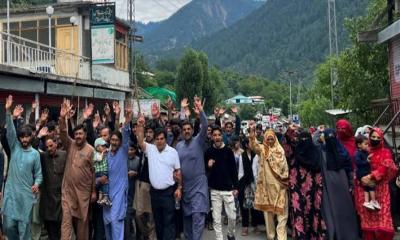
Clashes between security forces and demonstrators have resulted in at least 31 deaths since June, international media networks confirmed. The widespread civil movement is organized by the Jammu Kashmir Joint Awami Action Committee, a prominent coalition representing local traders, transporters, students, and activists. Although the demonstrations originally erupted to protest skyrocketing food inflation and inflated utility tariffs, the focus has shifted toward a legal battle over assembly seats. The activist umbrella group demands the immediate abolition of 12 legislative seats explicitly reserved for Kashmiri refugees living elsewhere in Pakistan. Local organizers contend that the current electoral framework permits non-residents to alter local political outcomes, thereby undermining regional representation.
The global community has expressed profound alarm regarding the decision by the Pakistani government to classify the activist coalition as a proscribed terrorist organization. United Nations officials warned that utilizing domestic anti-terrorism legislation to criminalize peaceful civil society movements raises serious international legal concerns. Several high-profile leaders of the coalition have been summarily arrested, and advocacy groups report that their access to essential legal counsel remains restricted. To control the escalating demonstrations, authorities have enforced widespread internet blackouts across multiple districts, which significantly disrupts the flow of public information. The UN human rights office has repeatedly called for the immediate restoration of full internet access to alleviate regional anxieties.
What remains unclear is how these extensive communication blackouts and severe legal restrictions will impact the long-term democratic viability of the upcoming regional elections. International geopolitical analysts suggest that heavy-handed security measures could alienate the local population and deepen deep-seated resentment against federal oversight. Despite global calls for restraint, Islamabad has reinforced its defensive perimeters and deployed additional law enforcement units across sensitive border towns. Government spokespersons maintain that the exceptional administrative measures are necessary to uphold public order and protect critical state infrastructure from vandalism. Conversely, human rights monitors argue that suppressing peaceful dissent under the guise of security threatens democratic processes.
The international human rights apparatus has urged Pakistani authorities to ensure that all detained individuals receive full due process and fair trial guarantees. Global experts emphasize that the underlying socio-economic and political challenges confronting the local population can only be resolved through comprehensive political dialogue. Relying strictly on administrative bans or aggressive security operations will fail to provide a lasting solution to the systemic issues plaguing the territory. As the election date approaches, international observers continue to call for an immediate cessation of violence to prevent a full-scale humanitarian crisis. A peaceful resolution remains essential for stabilizing the fragile geopolitical landscape of South Asia.