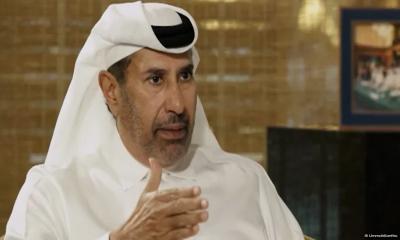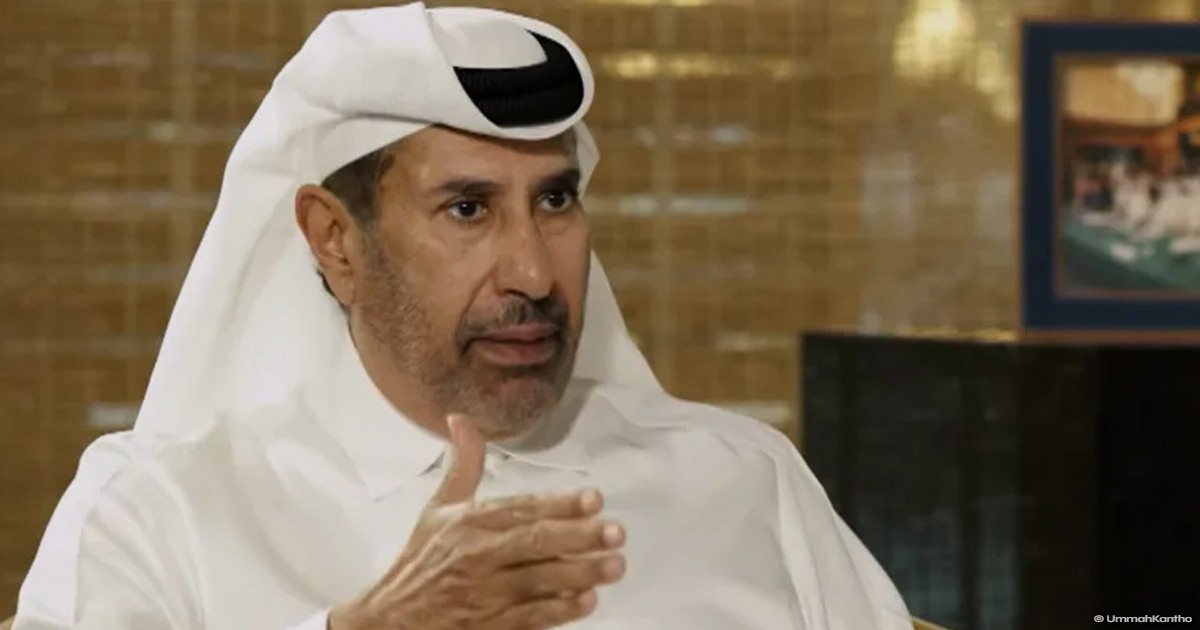
Former Qatari Prime Minister and Foreign Minister Sheikh Hamad bin Jassim Al Thani has made a series of explosive claims regarding the ongoing conflict between Israel, the United States, and Iran. In a revealing interview on Al Jazeera’s "Al Muqabala" program, Sheikh Hamad asserted that the current military escalation is not a sudden eruption of tension but rather the culmination of a long-term Israeli strategy designed to fundamentally reshape the Middle East. He warned that the geopolitical shifts currently underway would define the region`s trajectory for decades to come, characterizing the conflict as part of a broader blueprint for what he described as the "Greater Israel" project.
Sheikh Hamad, a veteran diplomat with deep insights into regional power dynamics, claimed that Israeli Prime Minister Benjamin Netanyahu has been leading a hardline faction focused on dragging the United States into a war with Iran since the 1990s. He noted that even during the administration of President Bill Clinton, Netanyahu was lobbying heavily for a military solution to Iran`s nuclear program. According to Al Thani, while previous U.S. administrations were hesitant to launch a full-scale war, Netanyahu eventually succeeded in selling Washington a "delusion." This delusion involved the promise that a war with Iran would be quick, decisive, and would lead to the collapse of the Iranian government within a matter of weeks.
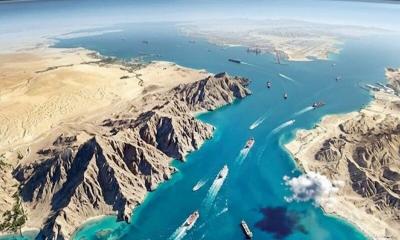
The most dangerous consequence of this conflict, according to the former Prime Minister, is the current crisis surrounding the Strait of Hormuz. He argued that the strategic bottleneck is being used as a tool to advance the interests of Israeli right-wing hardliners. Sheikh Hamad expressed grave concern over the "Greater Israel" ambition, a concept promoted by certain Israeli factions that involves expanding the nation`s borders into neighboring Arab territories. He suggested that Netanyahu is using the current chaos to bypass traditional diplomacy and force a new regional order that favors Israeli hegemony.
Reflecting on his own previous warnings, Sheikh Hamad mentioned that he had cautioned Gulf nations a year ago about the looming possibility of such a conflict. At that time, he had urged regional leaders to pursue a diplomatic settlement with Tehran to avoid the devastating consequences of a military strike. He now believes that the current reality necessitates the formation of a joint defense alliance among Gulf states. He emphasized that the region is witnessing a total reconstruction and that Gulf nations must act collectively to protect their sovereignty in the face of shifting alliances and external pressures.
Sheikh Hamad’s revelations have sent shockwaves through diplomatic circles, particularly as he identified Netanyahu as the primary beneficiary of the ongoing turmoil. He argued that by fostering regional instability, the Israeli leadership is attempting to push through a narrative of "forced regional cooperation" on its own terms. As the war continues to impact global energy markets and regional security, the former Qatari leader’s assessment provides a critical perspective on the underlying motivations behind the headlines. He concluded that without a unified and independent defense strategy, Arab nations remain vulnerable to a roadmap drawn by foreign interests that prioritize territorial expansion over collective peace.
Given Sheikh Hamad`s call for a "joint defense alliance," do you think the Gulf nations are currently in a position to form a unified front independent of Western or Israeli influence?