The FIFA World Cup is revered for its artistry, drama, and the pursuit of footballing glory. While fans often reminisce about iconic goals and title-winning moments, the tournament`s history is also marked by moments of intense friction and disciplinary lapses. As stakes rise on the grandest stage of all, the pressure can lead to lost composure, resulting in referees pulling out the red card. A review of disciplinary history reveals that some of the most successful footballing nations, particularly from South America, lead the chart for the highest number of player dismissals.
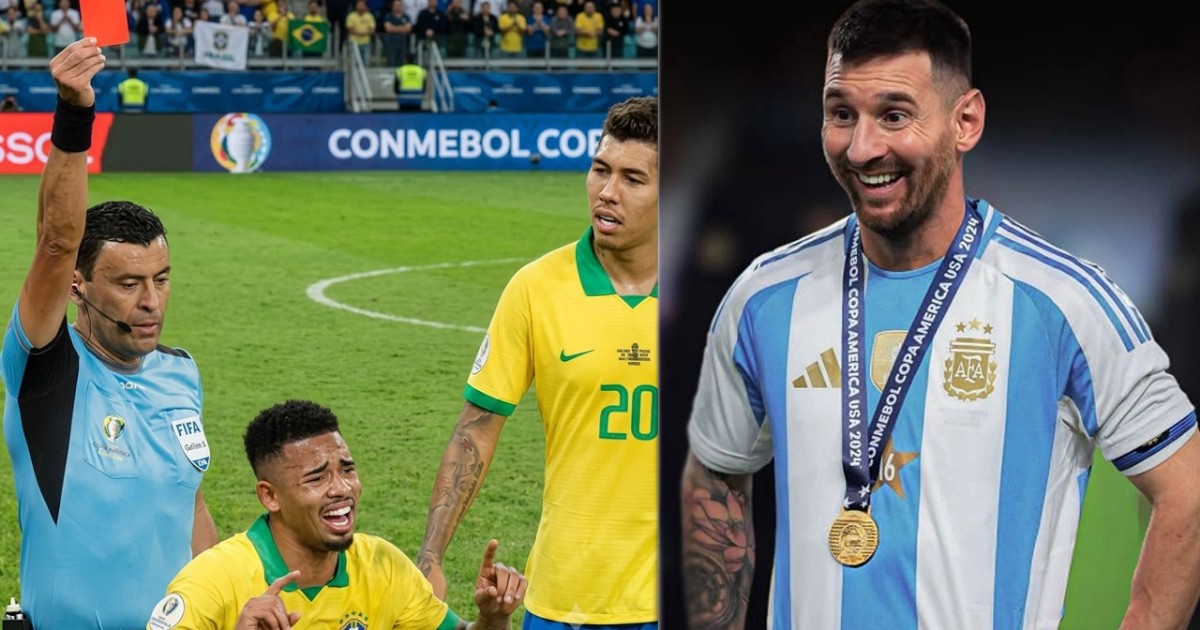
Brazil, the five-time world champion known for its flamboyant style of play, holds the unwanted distinction of being the most penalized team in World Cup history. Over their numerous tournament appearances, Brazilian players have been issued 11 red cards. This tally reflects the fiery intensity that has often accompanied Brazil`s pursuit of excellence. From the physical clashes in early tournaments to high-profile dismissals in the 1994 and 2010 editions, Brazil’s relationship with disciplinary sanctions is as long as their history of triumphs. Their style of play, while aesthetically pleasing, has frequently encountered the strict boundaries of officiating.
Argentina follows closely behind their neighbors, with 10 red cards in World Cup history. The intensity of Argentine football is renowned worldwide, and it has occasionally spilled over into disciplinary issues on the pitch. Iconic moments, such as the 1990 World Cup final where two Argentine players were sent off, highlight the fine line the team has often walked between competitive fire and crossing the threshold of fair play. Uruguay and Cameroon round out the top tier of the disciplinary charts, both having received 9 red cards throughout their respective campaigns.
The disciplinary trends in the World Cup have fluctuated significantly over the decades. The 2006 tournament in Germany remains an outlier, notorious for a record 28 red cards as referees cracked down on physical play. In contrast, older tournaments like 1950 and 1970 saw significantly fewer sanctions, reflecting a different era of match governance. Since the introduction of the red and yellow card system in 1970, FIFA has progressively tightened regulations to prioritize player safety and decorum.
These statistics serve as a reminder that the World Cup is not merely a contest of technical skill but also a test of psychological fortitude. Maintaining emotional control in the heat of a high-stakes match is a hallmark of the greatest players and teams. As the history of the sport continues to evolve, these figures remain a testament to the immense pressure that defines the tournament, proving that even the most celebrated footballing nations are not immune to the challenges of keeping their cool when the world is watching.