As the global football community turns its eyes toward the 2026 World Cup, the anticipation is tempered by a sobering reality for many national teams and their supporters. While the tournament is intended to showcase the absolute best talent in the sport, several prominent figures are conspicuously absent. A combination of injury crises, tactical shifts, and lack of form has forced a significant number of world-class players to transition from key contributors to spectators. Their exclusion not only alters the competitive dynamics of their respective nations but also deprives the tournament of some of its most anticipated narratives.
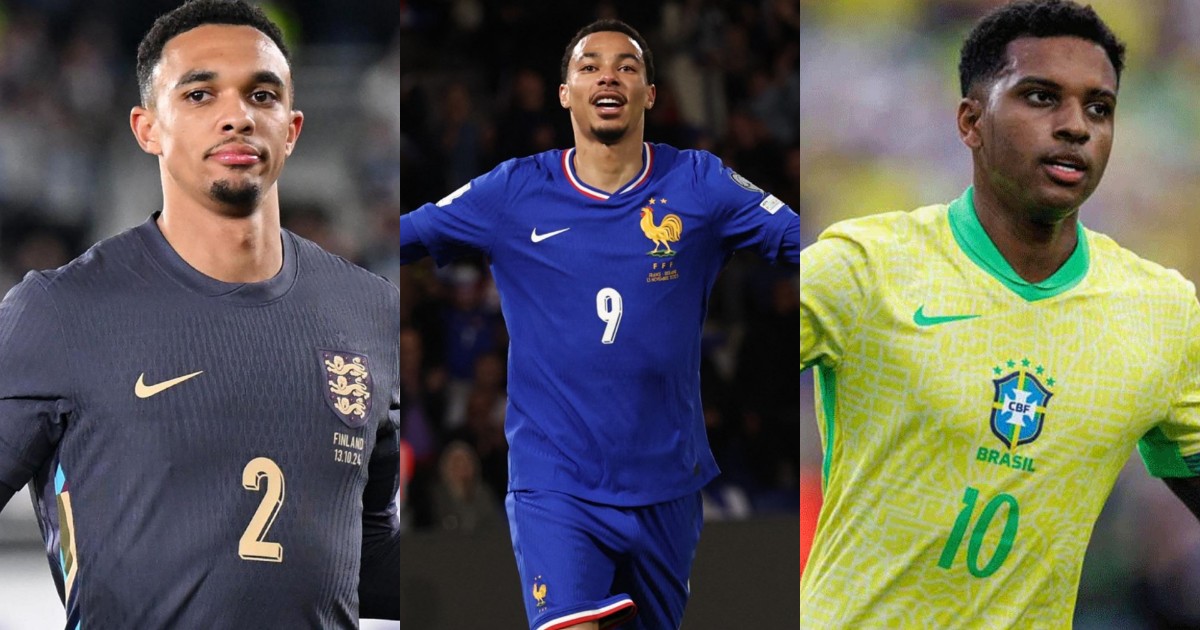
In the English camp, the selection process under manager Thomas Tuchel has been nothing short of ruthless. The exclusion of Trent Alexander-Arnold, once considered among the finest attacking fullbacks in the world, highlights the high standards set for the squad. Following a turbulent season at Real Madrid marred by injuries and inconsistent performances, the defender failed to secure his place in Tuchel’s rigid tactical setup. Similarly, the omission of Chelsea forward Cole Palmer came as a surprise to many, given his history of delivering in high-pressure matches. Despite his talent, a lingering groin injury restricted his impact last season, forcing Tuchel to look elsewhere for reliability. Phil Foden, too, found himself on the outside looking in. His struggle to replicate his Manchester City form on the international stage, coupled with reduced playing time at the club level, made him a logical casualty in a squad aiming for peak tactical discipline.
Brazil’s preparations for a historic sixth World Cup title have been significantly hampered by severe injury setbacks. The loss of Real Madrid winger Rodrygo is particularly devastating. Often a creative engine for the Seleção, his absence due to a torn cruciate ligament deprives Carlo Ancelotti of one of his most reliable offensive assets. The injury crisis extended to the next generation of Brazilian talent, specifically the 19-year-old winger Estevao. Widely expected to be a breakout star of the tournament, a severe hamstring injury sustained in March effectively ended his World Cup dream. Furthermore, Joao Pedro, who had an otherwise productive season with 20 goals, was overlooked due to his inability to make a meaningful impact in his limited appearances for the national team, as Ancelotti prioritized other options to spearhead the attack.
The impact of the physically grueling modern football calendar is further evidenced by the situations in France and Germany. Hugo Ekitike, who had established himself as a potent attacking threat for France with an impressive scoring record, saw his season cut short by a catastrophic ankle injury in April. His absence leaves a glaring hole in the French offensive structure. In the German camp, the heartbreak of teenage sensation Lennart Karl resonated deeply with fans. After a brilliant debut season at Bayern Munich, Karl was poised to make his mark on the world stage before an untimely muscular injury during a training session at the team’s North Carolina base forced him to withdraw. Seeing the young talent leave the camp in tears was a poignant reminder of the fragility of professional athletic dreams.
These absences serve as a stark reminder of the physical and psychological toll required to compete at the elite level. Professional football today demands an unrelenting intensity that often pushes players past their limits, leaving them vulnerable to the cruelty of circumstance. However, history has often shown that the World Cup is a platform that rewards depth and adaptability. While the absence of these established stars is undeniably a loss for the spectacle, it simultaneously opens the door for understudies and breakout talents to etch their names into history. The void left by the sidelined icons will inevitably be filled by the next generation, ensuring that while individual stories may end in disappointment, the tournament’s collective narrative continues to evolve.