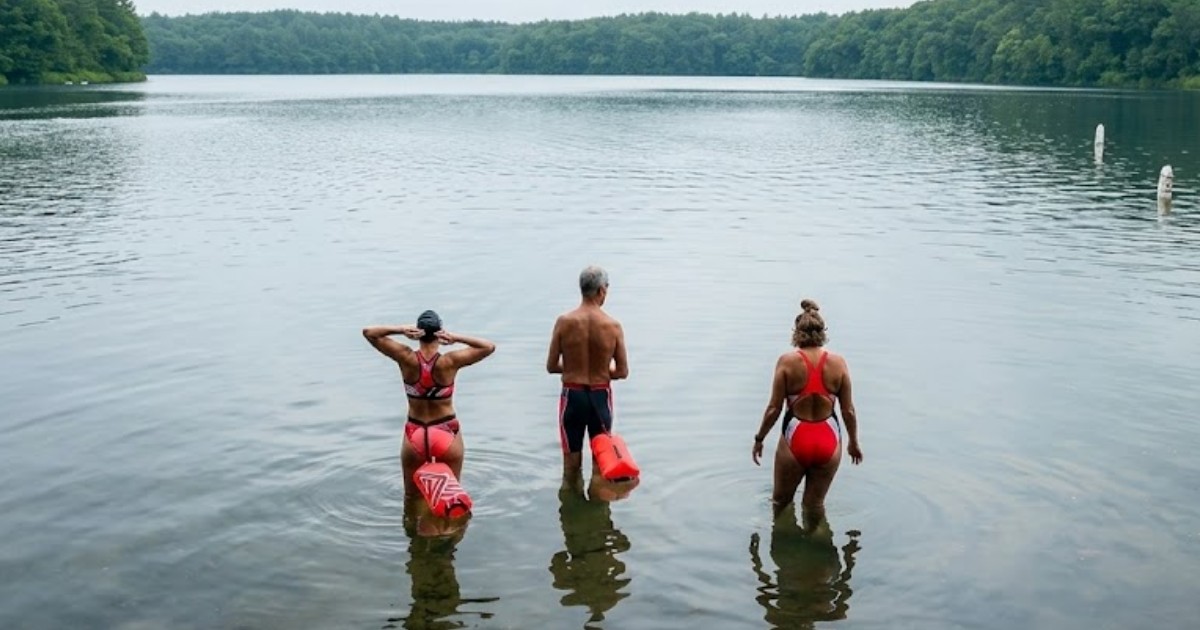
The surge in open water swimming across rivers and lakes in the United Kingdom and United States is exposing swimmers to severe waterborne health risks from sewage overflows and toxic bacteria, public health experts warned, according to BBC News. Driven by social media trends, urban environmental initiatives, and a post-pandemic push toward natural wellness, wild swimming has experienced an unprecedented boom over the past decade. Cities from London to Paris and New York have seen thousands of enthusiasts flocking to urban waterways. However, health agencies caution that the hidden dangers beneath the surface often outpace the perceived psychological and physical benefits.
Environmental microbiologist Isabel Douterelo Soler from the University of Sheffield explained that heavy rain and storm events routinely render urban rivers unsafe for swimming for twenty-four to seventy-two hours. When stormwaters overwhelm municipal drainage infrastructure, water utilities are forced to release untreated sewage directly into rivers through combined sewer overflows to prevent flooding in residential homes. This sudden deluge introduces high concentrations of pathogenic bacteria, viruses, and chemical contaminants into popular bathing spots, creating severe health hazards for unsuspecting swimmers.
Medical studies consistently indicate that direct contact with polluted water, particularly accidental swallowing, significantly increases the likelihood of contracting gastrointestinal illnesses. Children face a disproportionately higher risk of infection because they tend to swallow larger quantities of water while playing. While most reported cases involve self-limiting stomach cramps and diarrhea, exposure can occasionally lead to life-threatening conditions such as leptospirosis. Carried in the urine of rodents and livestock, this bacterial infection can cause acute liver failure, organ failure, and death, with notable outbreaks previously documented among competitive triathletes in the United Kingdom.
In addition to human waste pollution, slow-moving or sun-warmed stretches of river frequently nurture blooms of cyanobacteria, commonly known as blue-green algae. These organisms release potent toxins capable of causing skin rashes, eye irritation, and long-term damage to the human liver or nervous system. Public health guidelines advise individuals to avoid entering water that appears opaque green, blue-green, or painted, as well as areas featuring floating scums, foul odors, or dead fish along the shoreline.
Governments across Europe have poured billions into infrastructure projects aimed at restoring urban river quality and making public waterways swimmable again. France invested roughly 1.4 billion euros to construct a massive underground rainwater storage basin in Paris capable of holding fifty thousand cubic meters of stormwater before it reaches the Seine. Similarly, London constructed the fifteen-mile Tideway super sewer to hold up to 1.6 million cubic meters of combined sewage during heavy rainfall. Despite these monumental engineering efforts, unexpected weather shifts can swiftly degrade water quality within hours.
What remains unclear is how accelerating climate change and intensifying heatwaves will impact the natural capacity of river ecosystems to filter toxins over the coming decades. Health officials recommend taking practical precautions, including checking local pollution tracking tools, covering open wounds, avoiding swimming immediately after heavy rainfall, and showering thoroughly after leaving the water. While open water swimming offers genuine health benefits, maintaining a realistic understanding of environmental risks remains essential for public safety.