The opening day of the 2026 FIFA World Cup was a spectacle of goals, tactical clashes, and intense controversy. With five goals, four hydration breaks, and three red cards, the tournament kicked off with a level of drama that set an immediate tone for the 39-day, 104-match event. While the football was captivating, the focus shifted rapidly toward officiating standards and FIFA’s new mandate regarding player welfare.
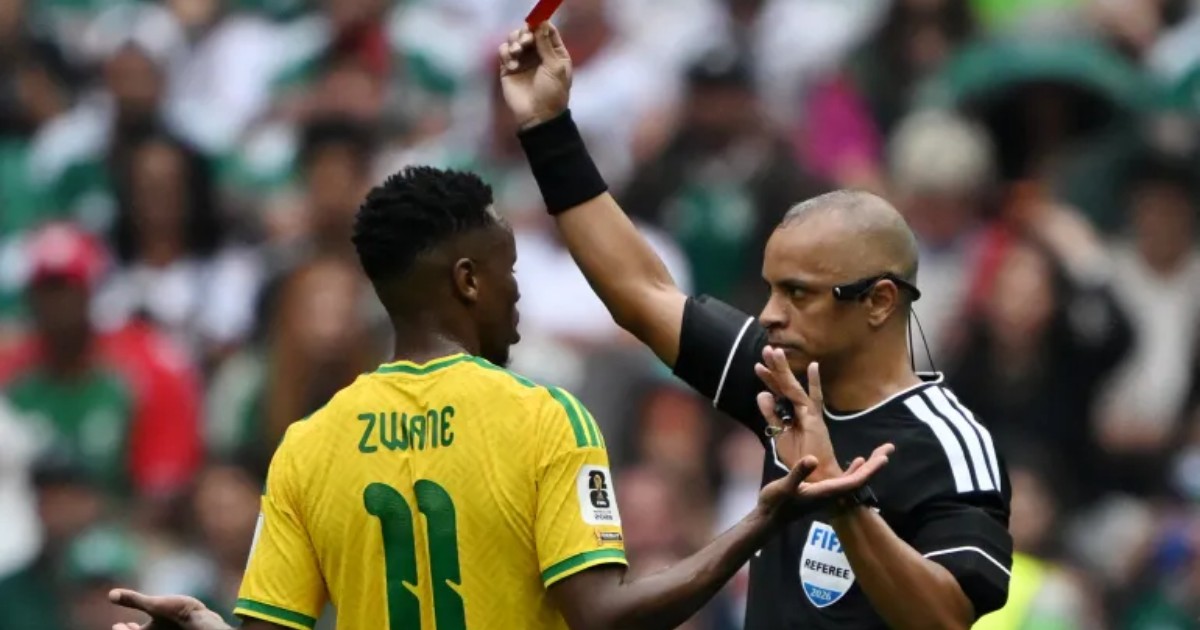
The most shocking statistic of the opening day was the frequency of disciplinary action. Three red cards were issued during the Mexico vs. South Africa match, a figure that nearly matched the total number of dismissals seen throughout the entire 2018 or 2022 tournaments. As officials attempt to establish a high bar for conduct, players and coaches alike are finding themselves struggling to adapt to the stricter interpretation of the rules. The refereeing decisions, particularly in the case of Themba Zwane’s dismissal for "violent conduct," sparked an immediate outcry, raising questions about whether the tournament could see a record-breaking number of send-offs before the final whistle in July.
The Video Assistant Referee (VAR) system was once again at the heart of the debate. South African players displayed visible confusion and disbelief when their teammate was sent off, suggesting that the human element—and the subjectivity of the monitor review—is creating more tension than clarity. South Africa coach Hugo Broos openly criticized the decision, calling it "too soft" and arguing that the impact on the match’s outcome was disproportionate to the incident. This frustration mirrors a growing sentiment among fans that VAR, while intended to remove error, is inadvertently removing the flow and intensity of the game.
Another controversial development was the introduction of mandatory hydration breaks in every half. While FIFA officials argue these breaks are essential for player welfare in potentially hot conditions, the implementation on Thursday received backlash from both viewers and coaches. Broadcasters, facing the challenge of live sports production, often cut away to commercials during these gaps, frustrating fans who missed crucial live action. US head coach Mauricio Pochettino was among the critics, expressing his disagreement with mandatory breaks when weather conditions are not extreme. For many, the breaks represent an unwelcome disruption that kills the momentum of an otherwise high-tempo match.
Beyond the officiating and procedural controversies, the opening day provided a fascinating look at contrasting footballing philosophies. The clash between South Korea’s fluid, possession-based approach and Czechia’s rugged, direct tactics showcased the tactical depth expected in this tournament. Despite failing to convert multiple opportunities, South Korea’s persistence paid off with a dramatic late comeback, proving that technical discipline can often overcome raw physicality.
As the tournament moves forward, the opening day serves as a cautionary tale about the challenges of officiating in the modern era. The interplay between VAR, new FIFA mandates, and the intense pressure of the global stage is creating a high-stakes environment where every decision is scrutinized. Whether these early controversies will define the 2026 World Cup or eventually fade into the background as the quality of play intensifies remains to be seen. However, one thing is clear: this tournament is already proving to be as much a test of rules and technology as it is of athletic ability.