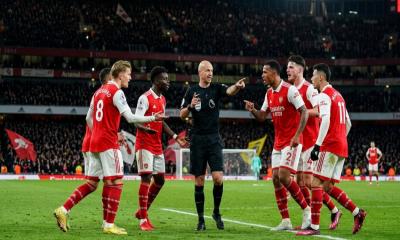
The mandatory hydration break introduced at the 2026 FIFA World Cup has become a subject of intense debate among managers, players, and pundits. During all 104 matches of the tournament, referees stop play for three minutes midway through each half to allow players to rehydrate. While FIFA officials argue the breaks are essential for player welfare due to the stifling heat and humidity across Mexico, Canada, and the United States, critics suggest they often serve as commercial interruptions rather than necessary health interventions.
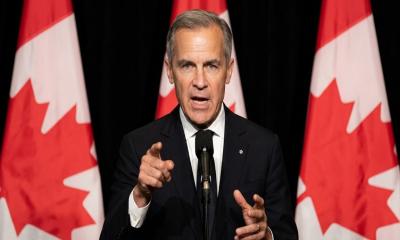
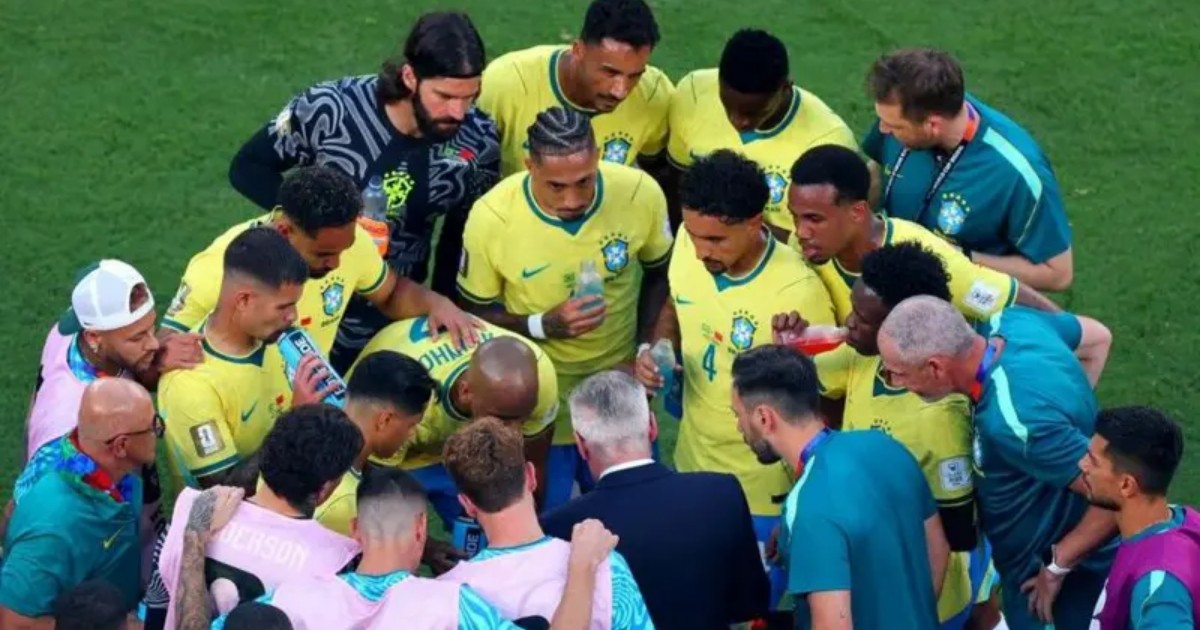
United States men`s head coach Mauricio Pochettino has been vocal about his dislike for the rule, noting that he only supports such stops under extreme conditions. He argued that when weather conditions are manageable, the breaks feel unnecessary. However, other managers have utilized these interludes to gain a tactical edge. A notable example occurred on Saturday at the New Jersey New York Stadium, where Brazil found themselves trailing Morocco early on. Brazil manager Carlo Ancelotti gathered his squad during the hydration break to tweak their system. Shortly after play resumed, Vinicius Jr scored a brilliant equalizer, shifting the game`s momentum in favor of the five-time world champions.
The strategic potential of these breaks remains a point of contention. United States women`s boss Emma Hayes famously labeled them momentum breaks, arguing that they disrupt the team currently in control of the match. According to Hayes, the pause provides an unfair advantage to the trailing side, allowing them to regroup, calm down, and reset their tactical approach. Juan Mata, who won the 2010 World Cup with Spain, echoed these concerns, stating that as a player, he would have found the three-minute interruption frustrating. He emphasized that when a team is winning and controlling the ball, they want to maintain the flow of the game rather than endure a forced stop.
Despite the opposition, the breaks appear to have directly influenced several outcomes in the tournament`s opening stages. Canada found an equalizer against Bosnia-Herzegovina shortly after a break, while Scotland and Australia both secured pivotal goals in similar fashion against their respective opponents. While the intent behind the policy remains focused on mitigating the risks of extreme heat, the tactical consequences are reshaping how teams manage match momentum. As the tournament continues, the debate over whether these breaks are a vital health measure or an unwanted interference in the flow of football is likely to persist among stakeholders across the sport.