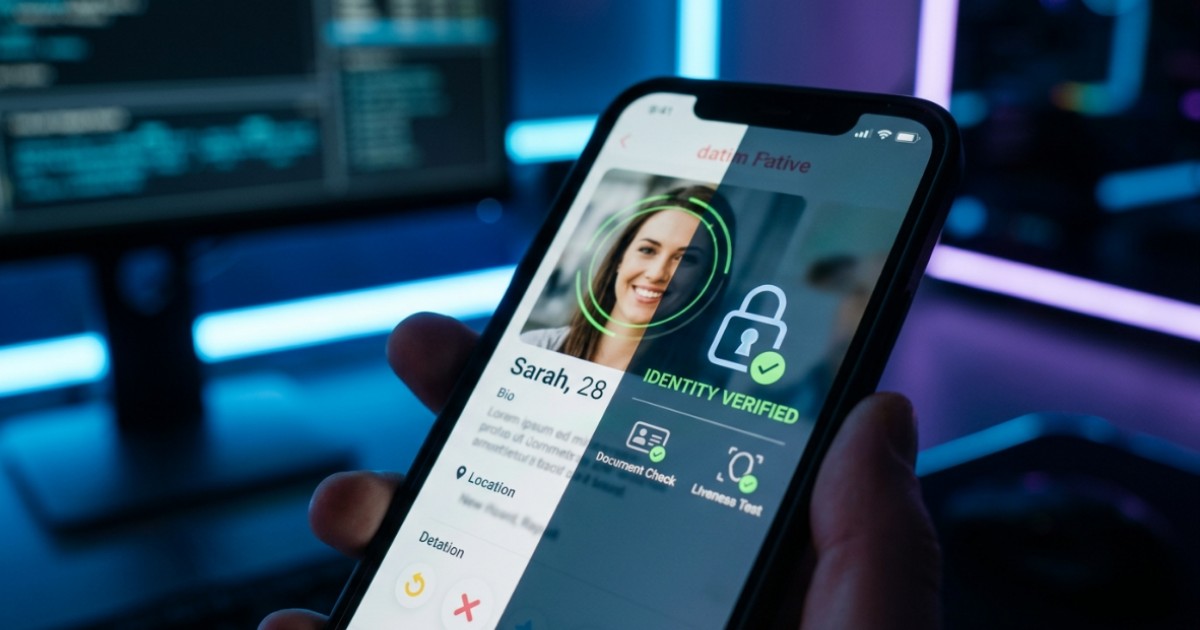
New online dating startups are actively deploying advanced technology and strict identity verification methods to filter out misleading profiles and protect users from cyber fraud. Moving away from traditional platforms that focus solely on maximizing user volume, these emerging services aim to restore authenticity to the matchmaking market. Their primary objective is to implement secure software and promote immediate face-to-face interactions to curb bad behavior.Virtual deception and fake accounts have transformed digital dating into an increasingly dangerous minefield.
Dennie Smith, the founder of the Geek Meet Club in south London, established her niche platform to bring like-minded sci-fi and history enthusiasts together without exposing them to digital scammers. Smith personally vets each individual application, resulting in the rejection of approximately 50 suspicious profiles every month. She noted that one fraudulent applicant even submitted a photograph of former British Prime Minister Boris Johnson. Her platform, which currently boasts 3,300 members, actively encourages users to move their conversations away from digital screens and arrange rapid offline meetings at local parks or high street coffee shops. She is also planning to hire dedicated venues so members can interact in person during themed costume events.
Similarly, Jo Mason, a City of London banker, launched Cherry Dating after growing exhausted by the high volume of counterfeit accounts on major commercial apps. She highlighted the extensive spread of "catfishing"—a tactical cyber fraud where individuals use fake identities or decades-old photographs to lure victims into deceptive romances. To eliminate these systemic vulnerabilities, her platform integrates financial-grade identity verification software.
The sophisticated software cross-references a user`s real-time selfie directly against their official driver`s license or government passport to guarantee authentic memberships. This rigorous anti-fraud methodology mirrors the automated security systems utilized by international commercial banks to spot anomalies in high-value financial accounts. While the strict screening process deters a significant portion of prospective users from completing enrollment, Mason emphasizes that it filters out malicious actors before they can interact with the community. Research commissioned by her firm revealed that 47 percent of British respondents feel current dating apps fail to meet their emotional needs, while 40 percent stated that these platforms systematically decrease their motivation to meet people.
A comprehensive market poll conducted by fraud prevention firm Sumsub revealed another layer of digital orchestration. Out of 2,000 UK dating app users surveyed, 54 percent confessed to using generative artificial intelligence tools like ChatGPT or Microsoft Copilot to artificially spice up their personal bios and written descriptions.
Professional dating coach Jocelyn Penque notes that while AI can assist individuals who struggle with written self-expression, users must ensure their prompts remain tightly focused on their core values, serious relationships, and long-term family goals. Having a background in the technology sector, Penque is not inherently opposed to online matchmaking, noting that her own 79-year-old father successfully met his partner through an app designed for older adults. Penque firmly advocates for transitioning budding digital romances into physical environments as quickly as possible to escape screen fatigue.