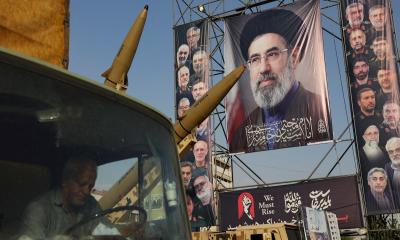
US Secretary of State Marco Rubio defended the military campaign against Iran on Sunday. He stated that the action was necessary to prevent a nuclear threat despite its unpopularity. Speaking at Homestead Air Reserve Base in Florida before traveling to a Group of 7 foreign ministers meeting in Paris, Rubio said President Donald Trump correctly identified a key danger.
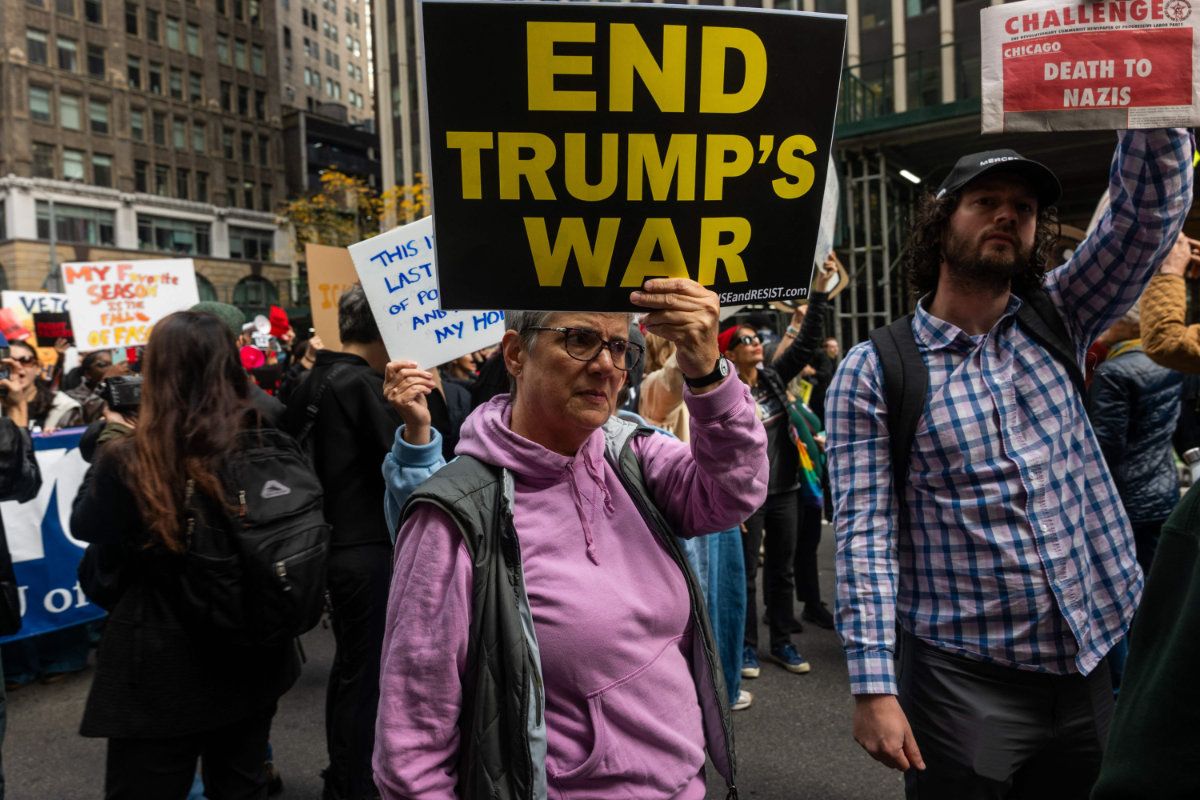
The defense follows a Republican defeat in Tuesday elections, where voters delivered a rebuke to the administration. Democrats seized control of Congress. This shift was driven partly by voter frustration over the war and its impact on the economy, including higher gasoline prices. Those cost hikes stemmed from disruptions in the Strait of Hormuz, where one-fifth of global oil transited prior to the conflict.
Rubio declined to comment directly on the election results when questioned by reporters. He also sidestepped a social media post by Vice President JD Vance from last week that blamed the war for the congressional losses. Rubio argued that addressing difficult national security challenges often lacks popularity.
President Trump told reporters that Vance was correct in pointing to the war as a factor in the election, though he added that his vice president should have insisted the military action was the right choice. Trump stated that the conflict will go down in history as one of the best decisions made by the administration, asserting that a nuclear-armed Iran would threaten the world.
Iran maintains that its nuclear program is peaceful. According to the International Atomic Energy Agency, Tehran holds 440.9 kilograms of uranium enriched up to 60 percent purity, which is a short technical step away from weapons-grade levels of 90 percent.
Mediators are attempting to revive talks between the two sides as the war passes eight months. Rubio stated that negotiations are not on the verge of a breakthrough, calling current Iranian demands unacceptable, ridiculous and unrealistic. Trump is scheduled to meet Qatari Prime Minister Sheikh Mohammed bin Abdulrahman Al Thani at the White House on Monday.
Iran is reviewing Qatari proposals aimed at bridging differences with the United States. Officials indicated that Tehran is unwilling to negotiate atomic activities until Washington agrees to core conditions. Those demands include lifting sanctions, ending the naval blockade on Iranian ports, unfreezing assets, paying compensation for war damage, and halting hostilities across the region, including Israeli operations in Lebanon.
Trump told CNN in a phone interview that as long as the United States sees progress and a strong agreement is signed, resuming strikes is unlikely. He warned, however, that the administration has identified 38 infrastructure targets, including bridges, to strike if military action restarts.
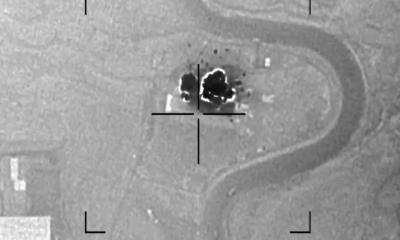
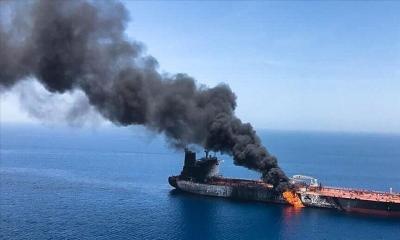
The US military has conducted limited strikes against Iranian air defenses at least twice over the past week. Forces also fired on and disabled a commercial vessel on Saturday that the United States said attempted to breach the naval blockade on Iranian ports. Rubio affirmed that the United States will continue taking defensive measures to protect shipping lanes and forces in the region.