Moldova officially launched a new power line connecting the country to neighbouring Romania and the European grid on Sunday. The project aims to reduce reliance on Russian energy.
Moldovan President Maia Sandu marked the launch by addressing past energy dependence on Moscow. For decades, Moscow used energy to blackmail the country, Sandu said on X on Sunday, adding that Moldova now buys zero Russian gas.
Moldova has a population of 2.6 million people and sits between Romania and Ukraine. The country previously received most of its gas from Russia through pipelines running via Ukraine and its pro-Moscow separatist region of Transnistria.
Sandu spoke during the inauguration ceremony in Chisinau on Sunday. Thanks to this project, she said, we are strengthening our electricity transmission capacity, diversifying our means of supply and reinforcing the connection of the Republic of Moldova to the European energy system. She also stated that two more power lines to Romania are on the way.
European Commissioner for Energy Marta Kos attended the ceremony and said Moldova could now buy energy where it is cheapest.
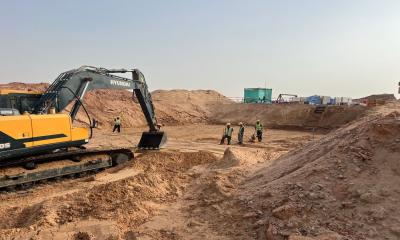
The new infrastructure is a 400-kilowatt extra-high-voltage line running from the city of Vulcanesti to Chisinau. It allows Moldova to cut reliance on the Cuciurgan thermal power plant located in Transnistria. Every time Moldova dares to choose something other than what Moscow wants, they threaten to cut our electricity, Sandu said.
Authorities in Moldova initially promised the grid would be completed two years earlier than its actual launch. The project is dubbed the energy independence line.
Moldova’s parliament approved a government-requested state of emergency last month until November 20. The measure aims to ease gas shortages driven by soaring world energy prices. Some European officials have blamed Moscow for skyrocketing gas prices, accusing it of withholding additional supplies to apply political pressure.
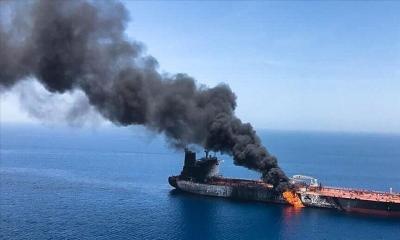
European-aligned states in the Black Sea region report facing renewed attacks allegedly carried out by Russia. Last month, Romania blamed Russia for a drone strike that sank a cargo ship off the Romanian Black Sea coast, killing one crew member and leaving three others missing.
Ukraine, Romania and Bulgaria have called on NATO to fast-track additional surveillance capabilities to protect commercial shipping in the Black Sea as fighting in Russia’s war on Ukraine escalates.
NATO responded by stating it would send more maritime patrol aircraft, radar systems and drones to the Black Sea region.