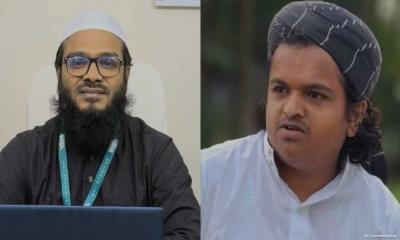
The Director General of Bangladesh Shilpakala Academy (BSA), Sheikh Rezauddin Ahmed, widely known as Rezauddin Stalin, has shared an ambitious strategic vision to reshape the cultural landscape of the country. According to official statements, the government’s primary objective is to foster an inclusive society where cultural development is not just a privilege of the capital but a right for every citizen across all districts. Stalin emphasized that decentralizing cultural activities is essential for the authentic growth of the nation’s heritage.
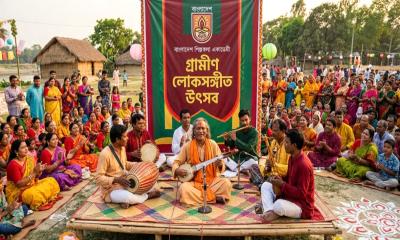
During a recent detailed discussion, the Director General highlighted that focusing solely on Dhaka-based events limits the potential of the country`s diverse cultural expressions. To address this, the Academy has designed a five-year master plan that includes international-scale events such as the SAARC Festival, an International Recitation Festival, a Global Dance Conference, and localized theater festivals in every district. This roadmap also includes the screening of both domestic and international films alongside traditional Jatra Pala performances, ensuring a blend of modern and classical arts.
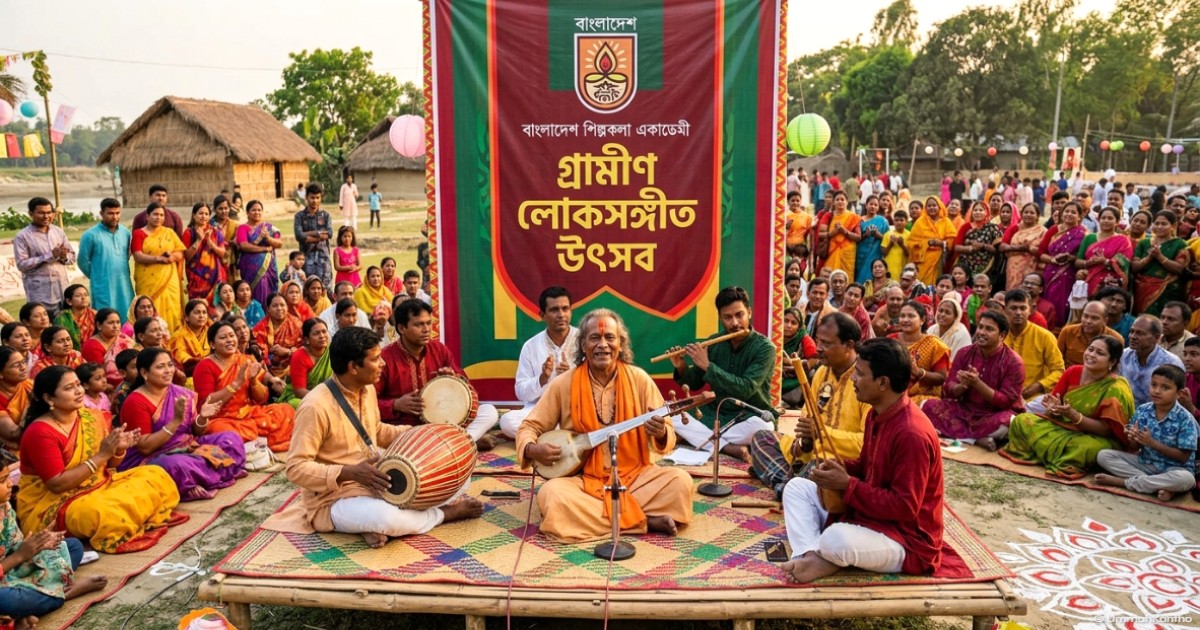
One of the most innovative projects mentioned is titled Pothey Pothey Sur Bhromon (Rhythms on the Road). This initiative involves the creation of a specialized vessel on Bangladesh`s major rivers equipped with a high-end recording studio. As the ship anchors in different regions, the team will collect and record local and endangered folk songs directly from grassroots artists. These recordings will be professionally curated and shared on digital platforms like YouTube to ensure the preservation of the country’s musical history. A parallel project, Pothey Pothey Gaan, will focus on collecting forgotten melodies from the plains and rural heartlands.
To elevate Bangladeshi fine arts to the global stage, the Academy is preparing to host the Asian Art Biennale this year. This event will serve as a hub for artists from Asia and across the world to display paintings, sculptures, photography, and new media art. Stalin noted that this exhibition would facilitate intellectual discourse among artists and strengthen international ties. Furthermore, the Academy plans to launch nationwide competitions to identify and nurture talented young painters, with special honors reserved for the top ten performers at the national level.
A unique initiative named Chobi o Kobita (Image and Poetry) is also in the works, aimed at creating a synergy between literature and visual arts. Under this project, poets will compose verses inspired by specific artworks, fostering a creative relationship between different artistic mediums. The Director General stressed that young artists are being trained to meet international standards, drawing inspiration from legends like Shilpacharya Zainul Abedin and SM Sultan.
Research remains a cornerstone of the new administration’s policy. The Academy has initiated research projects focusing on the history of Pata Chitra (scroll painting), the vibrant Rickshaw Art of Bangladesh, and the traditional theater form of Jatra Pala. Stalin also highlighted the importance of integrating technology through New Media Art to engage the younger generation. Reflecting on the recent celebrations of the Bengali Year 1433, he pointed out the successful participation of 28 ethnic groups, signaling a future where indigenous cultures are given a prominent national platform.
In conclusion, Stalin advocated for making cultural events more tourism-friendly. He believes that by showcasing traditional festivals to global tourists, Bangladesh can significantly boost its economic prosperity and international reputation. The Academy is also calling upon the media to play a proactive role in highlighting these cultural milestones, believing that public engagement is the key to a truly vibrant and inclusive cultural renaissance in Bangladesh.