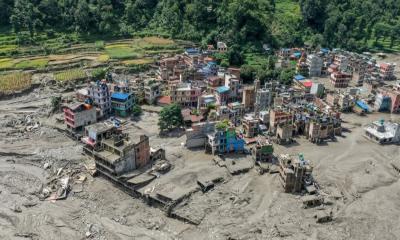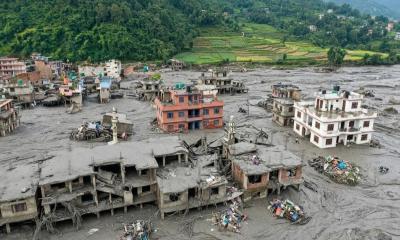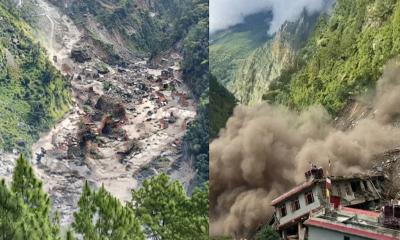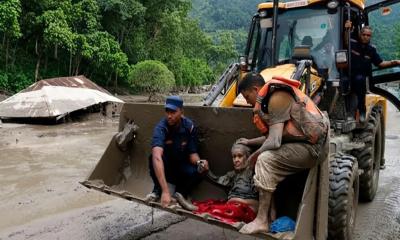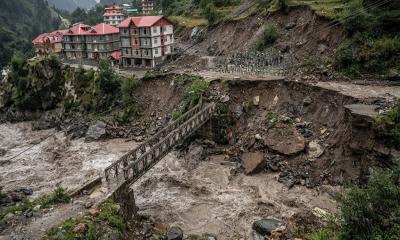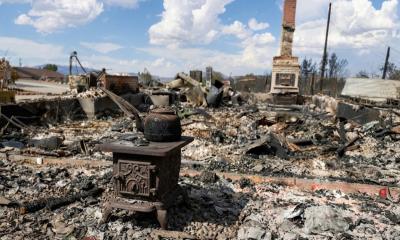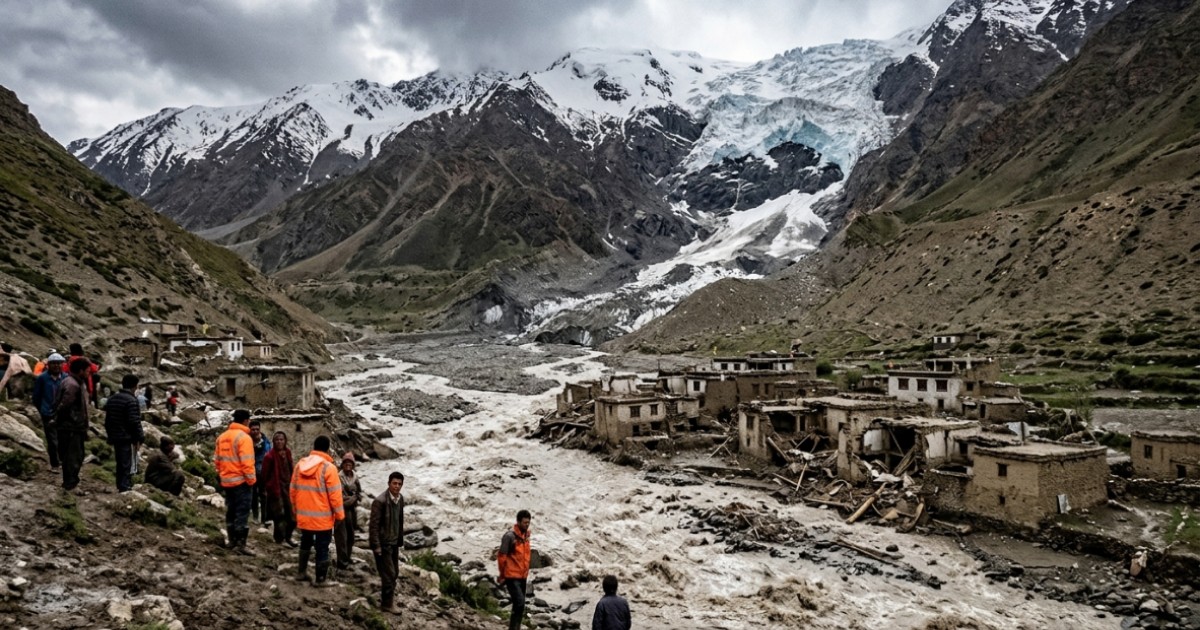
A catastrophic flash flood along the Nepal-Tibet border was triggered by a massive glacial collapse, leaving at least 177 people dead and over 800 missing, according to the US Geological Survey and BBC News reports released on Wednesday. Raging torrents of water, mud, and boulders swept through rugged mountain valleys, destroying homes, bridges, and crucial infrastructure on both sides of the frontier. Emergency rescue teams have mobilized helicopters and ground units to search for survivors amid treacherous conditions.
The US Geological Survey confirmed that the disaster was initiated when a substantial portion of a high-altitude glacier broke off, unleashing a destructive debris flow into local river systems. Dr. Simon Cook, a glacier expert at the University of Dundee, stated that the lower part of a glacier near the Langtang Lirung peak collapsed and sent debris traveling downstream. The impact of this collapse was so powerful that instruments recorded it as equivalent to a magnitude 5.2 event, causing river levels to surge dramatically within minutes.
An analysis by the International Centre for Integrated Mountain Development revealed that an ice-rock avalanche originating from a high-altitude area entered the Lende Khola, a tributary of the Bhote Koshi river. This generated a sudden surge carrying water, sediment, and large boulders downstream, causing water levels to rise between seven and nine meters within a span of thirty minutes. Several water monitoring stations were washed away or damaged, complicating communication and rescue coordination in remote areas.
Professor Mike Searle of Oxford University noted that the disaster stems from a combination of tectonic plate uplifting and accelerating climate change. As the mountains continue to rise, glaciers become steeper and more vulnerable to catastrophic failures under increasing global temperatures. Scientists warn that these combined factors are driving frequent and severe environmental hazards across the entire Himalayan region.
Himalayan glaciers are losing ice at double the rate recorded in previous decades, compounding severe flood risks across vulnerable downstream communities.