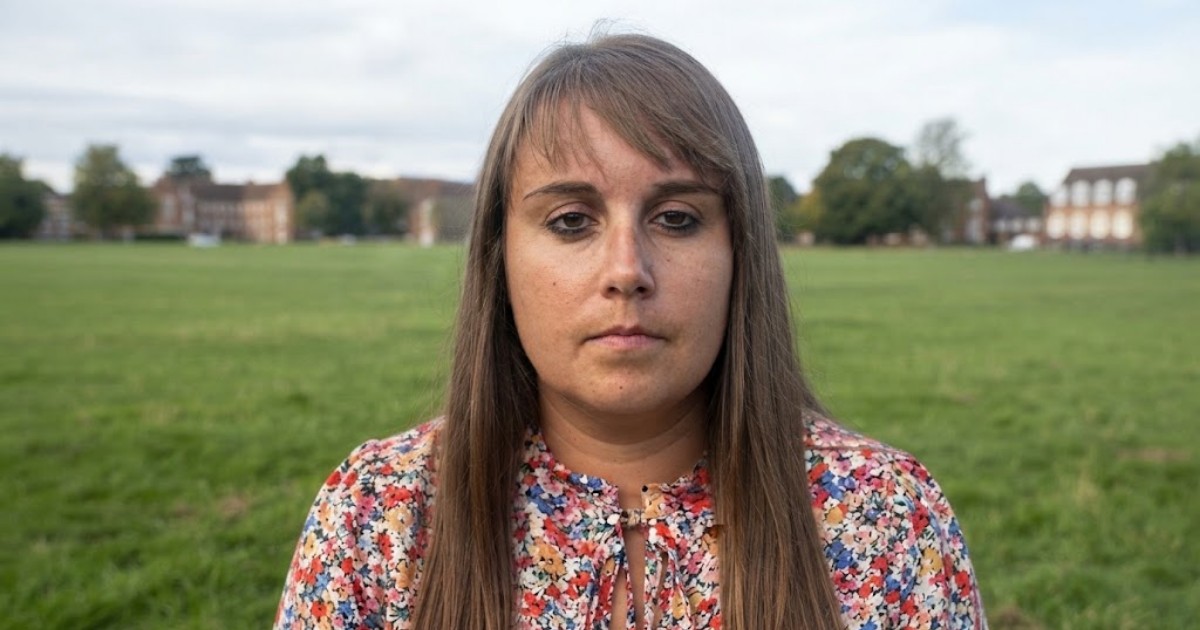
A British woman underwent eleven years of debilitating chemotherapy for a terminal brain tumor she never had, following a catastrophic diagnostic error by a senior specialist, medical reviews revealed. Becky Jones was twenty-one when clinicians informed her that an aggressive malignancy gave her only months to live. Instead of a lethal condition, independent experts discovered more than a decade later that she had suffered from tumefactive demyelination, an inflammatory neurological disorder treatable with standard steroids.
The prolonged misdiagnosis derailed the prime of her adult life.
According to legal representatives, consultant oncologist Prof Ian Brown at University Hospital in Coventry instructed Jones to consume the oral chemotherapy drug temozolomide indefinitely. Established medical protocols standardly recommend six cycles of the pharmaceutical over a six-month span. Despite repeated diagnostic scans showing no trace of a tumor, Jones was told the growth remained imperceptible to standard examination. She was abruptly informed in 2024 that her regimen would end following the consultant’s retirement, leading independent radiologists and neurosurgeons in May 2025 to conclude she had never suffered from cancer.
Hospital oversight mechanisms failed for over a decade.
The prolonged intake of the cytotoxic agent inflicted severe physical distress, leaving Jones to endure chronic nausea, acute abdominal pain, debilitating fatigue, and recurring mouth ulcers. Due to heightened infection vulnerabilities, her career ambitions in law enforcement ended, her driving privileges were curtailed, and her personal life was severely restricted. Although specialists had warned her that the treatment would cause permanent infertility, she subsequently gave birth to two children, an outcome her doctor dismissed as a mere anomaly.
The case has triggered legal action by more than forty patients against the University Hospitals Coventry and Warwickshire NHS Trust over prolonged or unwarranted oncology regimens. Other affected patients reported enduring permanent infertility, while another individual developed leukaemia after receiving one hundred unneeded chemotherapy cycles. A review by the Royal College of Physicians examining twenty related patient records concluded that fifteen were unsatisfactory, formally describing the institutional failures as a betrayal of patient trust.
Investigators specifically questioned how oncology pharmacy teams continued dispensing intensive oral chemotherapy for ten to fifteen years without raising alarms.
Brabners law firm, representing several claimants, revealed that the consultant issued a diagnosis of grade four glioblastoma before initial biopsy results had returned from the laboratory. The retired physician declined to participate in the external inquiry or respond to inquiries. The hospital trust announced that all affected individuals have been placed under the direct care of senior clinicians with revised management plans, while an external review of internal whistleblowing and safety procedures remains underway.