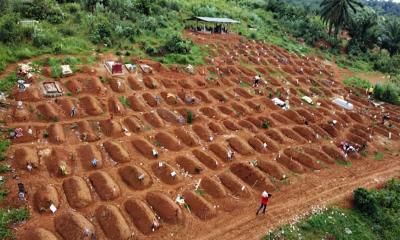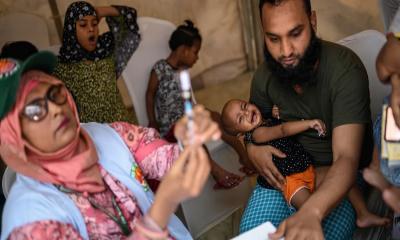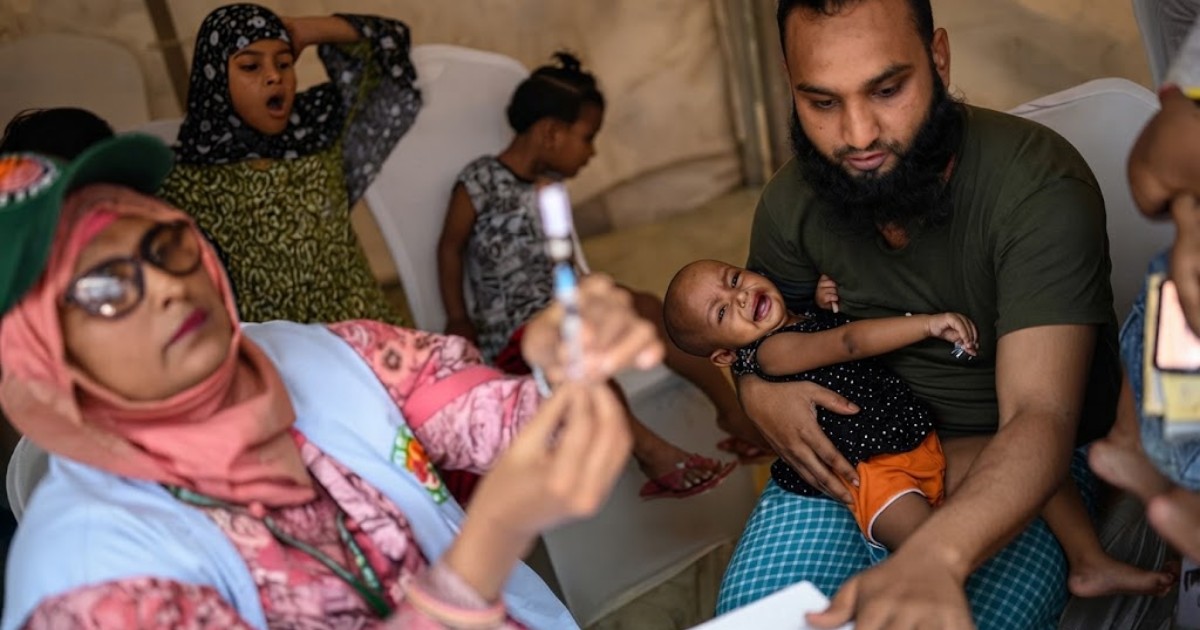
Bangladesh is confronting an escalating pediatric crisis as an aggressive resurgence of measles claims more than 1,000 lives, defying an emergency vaccination campaign that administered nearly twenty million doses. The epidemic marks a staggering reversal for a nation that recorded just 132 infections and zero fatalities in 2025. Medical teams at Dhaka’s Infectious Diseases Hospital report that severe presentations continue to arrive, including infants whose infections outpaced late immunization efforts.
The fatality figures reveal deep structural vulnerabilities in routine childhood protections.
Official registries maintain that by September 9, health authorities documented 1,009 deaths, comprising 100 laboratory-confirmed casualties and 909 classified as suspected measles mortalities. Concurrently, government data highlights that 19.75 million children aged six months to under five years received vaccinations since April, surpassing the initial national target of 18 million. However, epidemiological reviews indicate that these administrative totals conceal wide demographic gaps. When the health ministry initiated its semi-annual Vitamin A campaign in June for the identical age group, it targeted approximately 24 million children. This discrepancy revealed that approximately six million eligible infants had been entirely excluded from the initial outbreak baseline calculation.
National statistical averages concealed vulnerable geographic pockets where transmission continued unchecked.
The root causes of the present collapse precede current interventions. Official surveys indicated that first-dose measles-rubella coverage contracted from 88.6 percent in 2019 to 86 percent in 2023, while second-dose completion dropped to 80.7 percent. Halting viral transmission requires an unbroken population immunity threshold of roughly 95 percent. The country had not deployed a comprehensive supplementary immunisation drive since early 2021, allowing cohorts of unprotected children to accumulate. Administrative paralysis following political upheavals in mid-2024 severely impaired national procurement systems, producing nationwide vaccine shortages across 2024 and 2025.
By mid-April 2026, sustained viral transmission had breached 58 of the country’s 64 administrative districts.
Clinical analyses from specialized referral facilities underscore how the burden falls disproportionately on very young infants. Records from the Infectious Diseases Hospital show that among 57 documented fatalities, 49 occurred in children younger than fifteen months, with 31 deaths striking infants below nine months, the standard baseline age for receiving an initial routine dose. Approximately 83 percent of those who died had never received an immunization, while pneumonia developed as the leading lethal complication in 50 cases.
Health authorities confirmed that preparations are underway to begin another round of inoculations within two weeks.
Specialists argue that overarching national aggregates can no longer substitute for micro-level epidemiological planning. Controlling the remaining reservoirs of infection requires deploying dedicated field workers to reach urban slums and marginalized rural communities, while expanding vaccine age eligibility up to fifteen years in hyper-endemic corridors to eliminate remaining immunity gaps.