
Friday, 24 Apr, 2026
Published: April 24, 2026, 07:23 PM
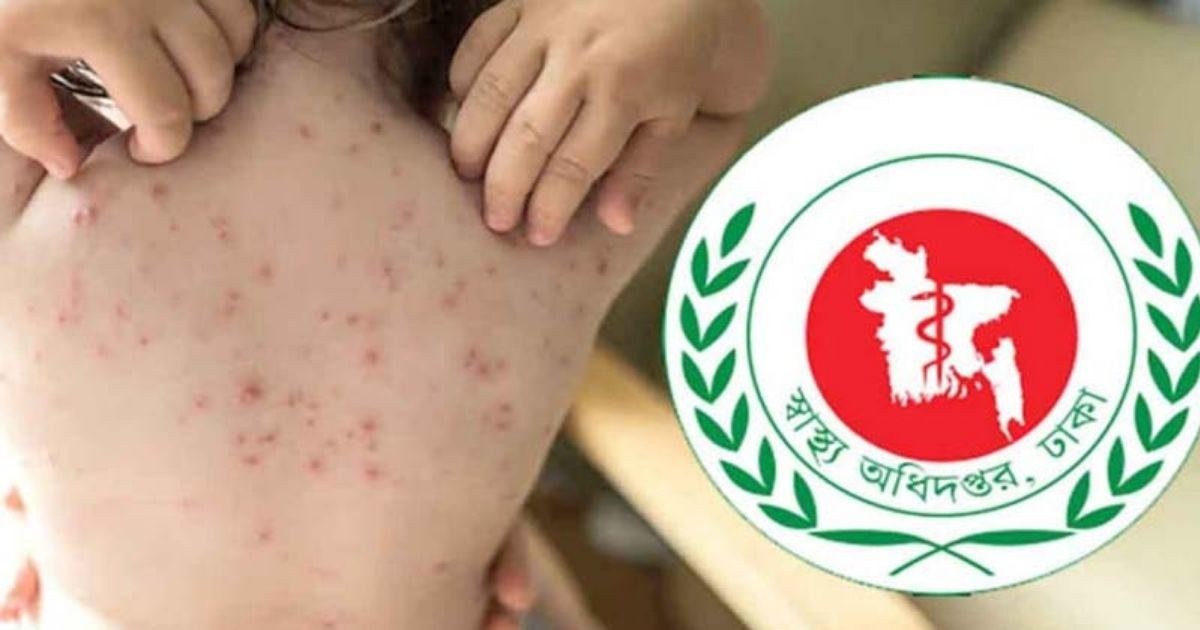
The World Health Organization (WHO) has officially categorized Bangladesh as a "high-risk" zone following a devastating measles outbreak that has claimed the lives of at least 166 children. According to a detailed report released on Thursday, April 23, the infectious disease has spread to 58 out of the country`s 64 districts. The global health body expressed deep concern over the escalating mortality rates and a significant shortage of essential vaccines, noting that the current situation represents a major setback to the nation`s previous public health achievements.
Data compiled by the WHO reveals that the surge in measles cases began in January 2026, reaching an alarming peak in recent weeks. Between March 15 and April 14, healthcare authorities identified 19,161 suspected cases nationwide. Of these, 2,973 cases were lab-confirmed as measles. The toll on children has been particularly severe, with 166 deaths reported within just one month. Currently, more than 12,318 patients are receiving treatment in various hospitals across the country, highlighting the strain on the national healthcare infrastructure.
The geographical spread of the virus suggests that nearly 91 percent of the country is now affected. While all eight administrative divisions have reported infections, Dhaka has emerged as the most devastated region. Official records show that Dhaka Division alone accounted for 8,263 suspected cases in the latest reporting period. Densely populated urban areas and informal settlements, including Demra, Jatrabari, Kamrangirchar, Korail, Mirpur, and the Tejgaon industrial belt, have been identified as high-transmission hotspots. Other regions, including Rajshahi, Chattogram, and Khulna, are also witnessing a rapid increase in cases.
Vulnerable populations, specifically children under the age of five, are bearing the brunt of this outbreak. Approximately 79 percent of all infected individuals are under five years old, with 66 percent being under the age of two. Government statistics indicate a grim correlation between vaccination status and mortality; nearly all the deceased children were either completely unvaccinated or had received only a partial dose. This underscores a significant immunity gap among the youth, as 91 percent of all patients fall within the 1 to 14-year age bracket.
The WHO report identifies a national shortage of the Measles-Rubella (MR) vaccine during the 2024-25 period as the primary driver of this crisis. While Bangladesh once boasted a vaccination coverage rate of 89 percent in 2000, that figure has plummeted in recent years. Furthermore, the absence of a nationwide Supplementary Immunization Activity (SIA) since 2020 has left millions of children unprotected. Health experts warn that complications such as pneumonia, diarrhea, and encephalitis are significantly increasing the risk of death, especially among malnourished children.



















Design & Developed by 