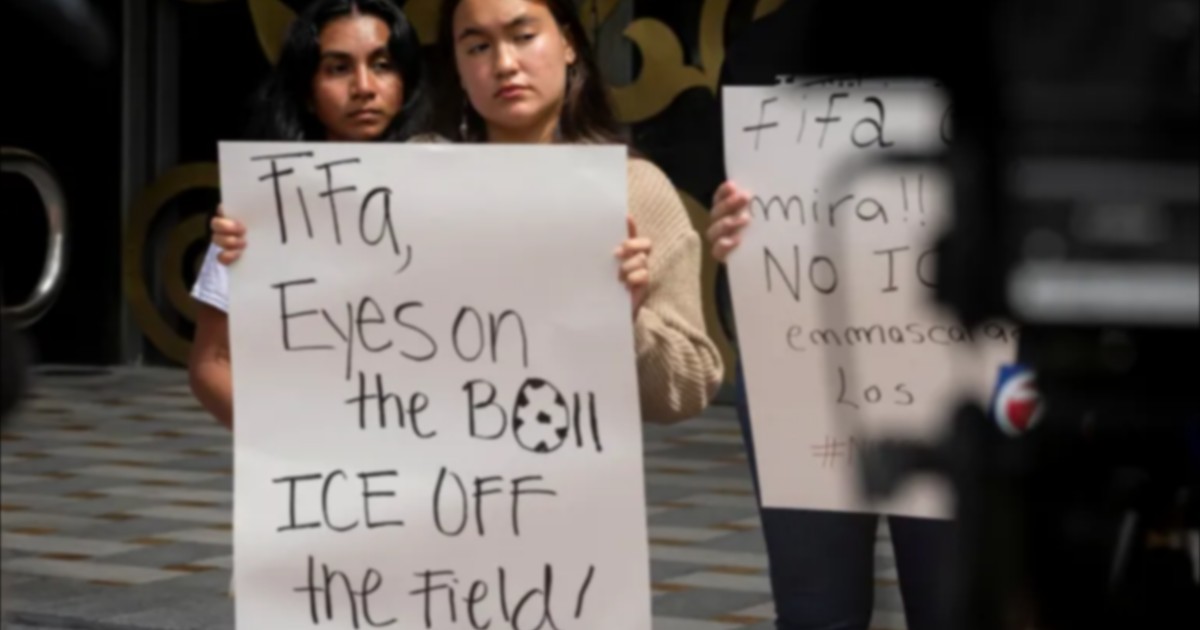
The excitement surrounding the 2026 FIFA World Cup in the United States is being dampened by significant fear within immigrant communities. Many fans, particularly those from vulnerable diasporas, are expressing deep concerns that the US Immigration and Customs Enforcement (ICE) agency will use the tournament as an opportunity to conduct large-scale arrests and deportations.The fear of ICE is becoming a major barrier to participation.
For individuals like Emile, a Haitian living in Ohio, the prospect of attending his country`s first World Cup since 1974 is shadowed by the current crackdown on immigration. Despite his desire to celebrate this historic moment, the fear of being detained by federal officers keeps him away from the stadiums. This sentiment is widespread among many immigrants who view the presence of law enforcement at sporting events as a direct threat.Civil rights groups are sounding the alarm.
More than 120 US civil rights organizations have issued a formal travel advisory, warning that fans, players, and journalists face serious risks of racial profiling, detention, and deportation. Reports of aggressive tactics by ICE, combined with a broader hostile environment, have created a pervasive sense of insecurity. Advocates argue that ICE enforcement efforts often disregard legal status, targeting individuals who have been tax-paying residents for decades.
Statistical context highlights the scale of the community at risk. Hispanics comprise 20 percent of the US population, with massive concentrations in states like California, Texas, and Florida. Meanwhile, the Haitian diaspora in the US, numbering approximately 850,000 as of 2024, is heavily concentrated in areas like Miami and New York. The political instability in their home countries makes the prospect of deportation particularly dire for these families.
Concerns extend beyond fans to those working in the industry. Hospitality workers in Los Angeles, represented by UNITE HERE Local 11, have threatened to strike if ICE agents are deployed at event venues. Stadium staff, who fear being detained while commuting or working, are demanding that FIFA protect their information and ensure that enforcement agencies have no role in these festivities.
FIFA has officially committed to respecting human rights, yet the tournament’s pricing strategy poses an additional barrier. With the cheapest tickets for opening matches ranging from over $1,000 to nearly $3,000, many immigrant families are effectively priced out of the experience even if they felt safe enough to attend.
The intersection of high costs and the fear of deportation ensures that the 2026 World Cup remains inaccessible to a significant portion of the population. As the games approach, the ongoing debate between tournament security and individual liberty remains a defining feature of the upcoming event.