Qurbani, the sacred act of sacrifice during the days of Eid ul-Adha, is one of the most significant rituals for Muslims worldwide. It commemorates the unwavering devotion of Prophet Ibrahim (AS) and serves as a means for believers to draw closer to Allah. However, for the sacrifice to be valid and accepted, Islam has laid down specific criteria regarding the type of animal, its age, and its physical condition. These rules are not mere formalities but essential components of the worship (Ibadah) that reflect the spirit of excellence in devotion.
In Islamic jurisprudence, only specific categories of domesticated quadrupeds, known as `Bahimatul An`am,` are eligible for sacrifice. As mentioned in the Quran: "And for every nation We have appointed religious ceremonies, that they may mention the name of Allah over the beast of cattle that He has given them for food" (Surah Al-Hajj, 22:34). This divine instruction limits the sacrifice to livestock and excludes wild animals.
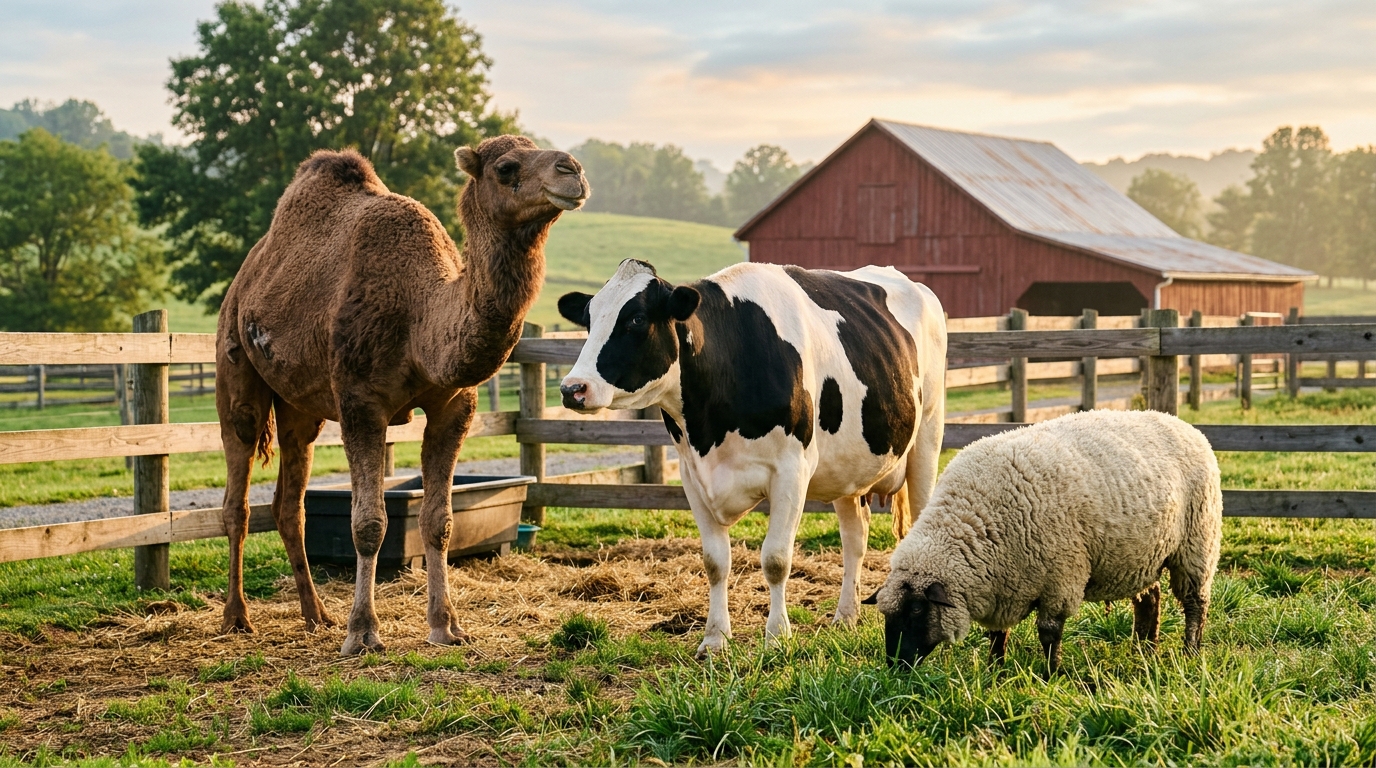
The three primary categories of permissible animals are camels, cattle (including cows, bulls, oxen, and buffaloes), and small livestock (sheep, goats, and rams). Wild animals such as deer, antelopes, or wild boars are strictly prohibited for Qurbani, even if they are otherwise considered halal for consumption. Similarly, poultry like chickens, ducks, or turkeys cannot be offered as a sacrificial animal for Eid ul-Adha. While buffaloes are classified under the cattle category, horses are generally excluded from Qurbani according to the consensus of the majority of scholars.
Age is a critical factor in determining whether an animal is fit for sacrifice. For a camel, the minimum age is 5 years. Cows and buffaloes must be at least 2 years old, while goats, sheep, and rams should be at least 1 year old. There is a specific exception for sheep: if a sheep or ram is at least 6 months old but is so healthy and large that it is indistinguishable from a one-year-old animal when placed in a flock, its sacrifice is permissible. This exception does not apply to goats, which must strictly complete one full year.
Health Criteria and Physical Defects
The physical perfection of the animal is a direct reflection of the sacrificer`s intention to offer their best to the Almighty. The Prophet Muhammad (PBUH) emphasized that an animal with significant defects is not suitable for sacrifice. In a well-known narration, the Prophet (PBUH) identified four major defects that invalidate a Qurbani animal: obvious blindness, evident illness, clear lameness (where the animal cannot walk to the place of slaughter), and extreme emaciation where no marrow is left in the bones (Sunan Abu Dawood, 2802).
Beyond these four primary disqualifiers, scholars have detailed other conditions that should be avoided to maintain the spirit of the Sunnah. For instance, an animal that has lost more than half of its ear or tail is considered unsuitable. Likewise, if a horn is broken from the root, the animal is disqualified, though animals born without horns are perfectly acceptable. Teeth are also important; if an animal has lost so many teeth that it can no longer graze, it is deemed unfit for sacrifice. The underlying principle is that the animal should be in the best possible health, as this act is an expression of `Taqwa` (piety).
It is a common habit for some to look for the cheapest animal available, sometimes overlooking minor health issues. However, the essence of Qurbani is sacrifice, not just meat consumption. Selecting a robust, beautiful, and healthy animal is a hallmark of a believer who understands that they are presenting a symbolic gift to their Creator. Minor scratches or very small ear nicks may be overlooked, but any defect that significantly diminishes the animal`s value or health should be avoided.
Ownership, Sharing, and Miscellaneous Rules
The rules of participation vary depending on the size of the animal. A small animal like a goat, sheep, or ram can only be sacrificed on behalf of one person. However, a large animal like a cow, buffalo, or camel can be shared by up to seven people, provided all partners have a sincere intention of worship. Jaber (RA) narrated: "We sacrificed with the Messenger of Allah (PBUH) in the year of Hajj, a camel for seven and a cow for seven" (Sahih Muslim, 1963). If any of the partners join solely for the purpose of obtaining meat without the intention of Qurbani, the sacrifice of all partners may be compromised.
Another important ruling concerns the fate of the animal after purchase. If a person buys an animal for Qurbani and it dies or gets lost, a wealthy individual (for whom Qurbani is obligatory) must replace it. For a less fortunate person who was not obligated but bought it out of devotion, replacement is not mandatory. Furthermore, sacrificing a pregnant animal is permissible, though it is better to avoid animals close to delivery. If a live fetus is found after the slaughter, it should also be slaughtered according to Islamic rites.
Ultimately, the act of Qurbani is a bridge between the believer and the divine. By adhering to these meticulous guidelines regarding the species, age, and health of the animal, we ensure that our sacrifice is not just a cultural habit but a valid act of worship. Choosing a defect-free, healthy animal is a testament to our respect for the commands of Allah. As we prepare for the upcoming Eid, let our focus be on the quality of our sacrifice and the purity of our intentions, for it is the piety of our hearts that truly reaches the Heavens.