As the sacred days of Eid ul-Adha approach, many Muslims seek clarity on the practical aspects of Qurbani, particularly the provision of sharing an animal for sacrifice. While some individuals have the financial means to offer a sacrifice independently, others find it more feasible to participate in a shared sacrifice. Islamic Shariah provides a compassionate and structured system for this collective act of worship, ensuring that as many people as possible can participate in the Sunnah of Prophet Ibrahim (AS).
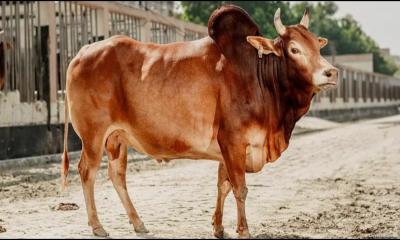
The primary rule in Islamic jurisprudence regarding shared Qurbani is based on the size and species of the animal. Large animals, such as camels, cows, and buffaloes, can be shared by up to seven individuals or families. This specific number is derived from the practice of the companions of the Prophet Muhammad (PBUH). Jabir ibn Abdullah (RA) narrated: "We sacrificed with the Messenger of Allah (PBUH) in the year of Hudaybiyyah a camel for seven and a cow for seven" (Sahih Muslim, 1318). Conversely, small animals like goats, sheep, or rams cannot be shared; they are exclusively for one person’s sacrifice.
The validity of a shared Qurbani depends heavily on the intention (Niyat) of every participant. All partners must share a common goal: seeking the pleasure of Allah. If even one person among the seven participates merely for the sake of obtaining meat or to show off their wealth, the sacrifice of all other partners is jeopardized according to many scholars. Therefore, it is spiritually vital to choose partners who are known for their piety and whose income is earned through halal means.
──────────────────────────────────────── Precision in Meat Distribution ────────────────────────────────────────
A critical area where many families falter during a shared sacrifice is the distribution of the meat among the partners. In Islam, when an animal is shared, the meat must be divided with precision using a scale or weighing balance. Distributing meat based on a visual estimation or a rough guess is discouraged and, in some cases, considered a violation of Shariah principles. This is because any intentional or unintentional inequality in the distribution can lead to a form of injustice, as each partner has paid for an equal share.
Each portion should contain a proportional mix of meat, bone, and fat. Once the primary distribution among the partners is completed, each individual is then encouraged to follow the Sunnah of dividing their own share into three parts: one for the family, one for relatives and friends, and one for the underprivileged. However, if a partner has a very large family and decides to keep the entire portion for their household, it is permissible, though sharing remains the superior practice.
──────────────────────────────────────── Number of Partners and Flexibility ────────────────────────────────────────
While seven is the maximum number of shares for a large animal, it is perfectly acceptable to have fewer partners. Two, three, or five people can contribute to a single cow, provided that each share is at least one-seventh of the animal’s total value. One cannot have an eighth share or a fractional share smaller than one-seventh. Furthermore, if a person wishes to include a share on behalf of a deceased relative or as a Sadaqah (voluntary charity) for someone else, it is a valid and rewarding act, provided the intention is purely for the sake of Allah.
There is also a question of whether partners must be determined before the animal is purchased. Ideally, the shares should be decided at the time of purchase. However, if an individual buys a large animal with the intent of sharing it later, adding partners after the purchase is generally allowed. During the act of slaughtering, while it is common to read out the names of all participants, it is not a strict requirement; Allah knows what is in the hearts, and the silent intention of each participant is sufficient for the sacrifice to be valid.
Ultimately, Qurbani is a bridge of devotion that connects the servant to the Creator. The rules surrounding shared sacrifice emphasize fairness, sincerity, and communal support. By adhering to these authentic guidelines—choosing the right animal, ensuring pure intentions, and distributing meat with justice—we can ensure that our collective sacrifice is accepted. Qurbani is more than just a tradition; it is a manifestation of faith that teaches us the value of sharing blessings with others while maintaining the highest standards of Islamic integrity.