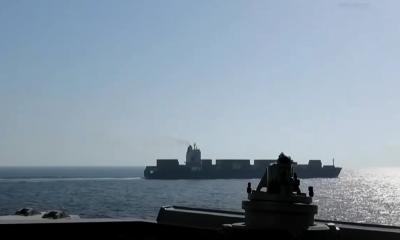
Foreign ministers from four European nations and four regional powers gathered in Istanbul on Tuesday for high-level diplomatic talks. The discussions center on safeguarding freedom of navigation in international waters and exploring diplomatic pathways out of several regional conflicts.
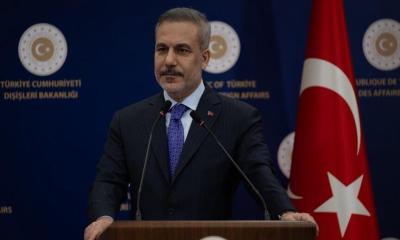
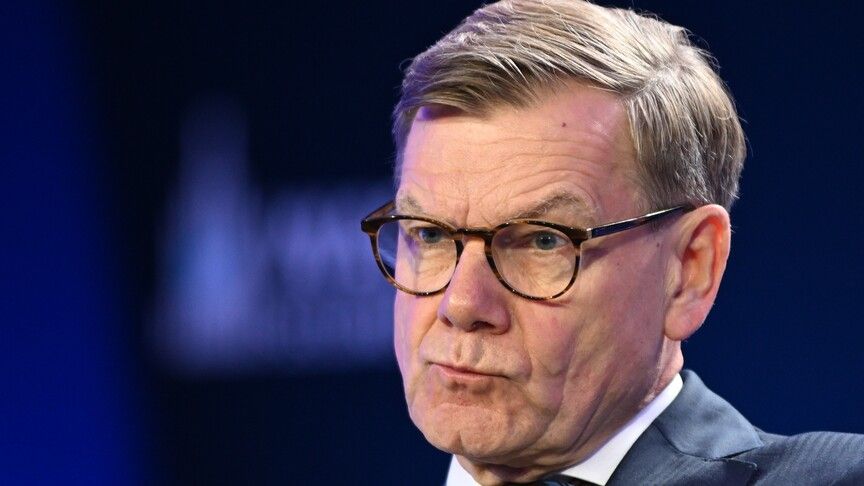
German Foreign Minister Wadephul outlined the agenda before the sessions began. He stated that the meeting would examine developments in the Black Sea alongside ongoing conflicts affecting key maritime chokepoints.
“At our first meeting in this format we Europeans and the four regional powers want to jointly explore how we can bring movement into the conflicts in the Strait of Hormuz, at Bab al-Mandab and in the Black Sea,” Wadephul said.
The diplomatic initiative was launched jointly by Germany and Türkiye. The format brings together the E4 states, comprising Germany, France, the United Kingdom, and Italy, alongside the R4 partners Egypt, Pakistan, Saudi Arabia, and Türkiye.
The eight participating countries issued a joint stance regarding security threats to maritime commerce. Wadephul said the group rejects actions by Iran and Houthi militias that disrupt international trade and energy supplies.
“The eight of us are taking a stand together: We will not accept Iran and the Houthi militias holding global trade to ransom and maintaining their stranglehold on the world’s supply of energy and fertilizers,” the minister said.
Wadephul insisted that indiscriminate attacks against free navigation and neighbouring countries must stop immediately. He described the persistent insecurity as unacceptable for people in the region suffering from hunger or fearing for their safety at home.
The disruption of global shipping routes carries direct economic consequences for Europe. Wadephul said the effects reach consumers through fuel prices at gas stations and product availability on supermarket shelves, while delayed fertilizer deliveries heighten the risk of famine in vulnerable areas.
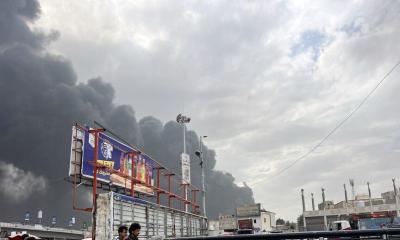
The German minister also accused Russia of undermining free navigation in the Black Sea. He stated that military actions targeting grain shipments threaten global food security.
“By attacking grain shipments, Russia is knowingly risking food shortages in the Global South,” Wadephul said, adding that the crisis directly harms the world’s poorest populations and regional partners like Türkiye, which processes large quantities of wheat for global markets.
Official figures indicate that attacks on civilian vessels and port infrastructure since July 2026 have nearly halted Ukrainian grain exports through the Black Sea. Those exports previously accounted for roughly 30 percent of the global wheat trade.
Alternative transit corridors can only partially offset the shortfall. Meanwhile, shipping data shows that the Bab al-Mandab strait handles about 12 percent of world seaborne trade, while the Strait of Hormuz accounts for approximately one-fifth of global oil consumption.