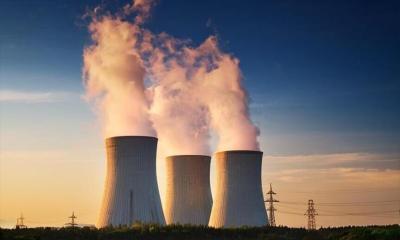
Qatar is pressing Tehran to permit United Nations nuclear weapons inspectors to visit bombed facilities containing stockpiles of highly enriched uranium. Doha is leading mediation in the conflict between the United States and Iran.
Under the Qatari proposal, Tehran would not need to remove its enriched uranium stockpile from the country. Alternative measures under discussion include down-blending the material to reduce its uranium content.
The Emir of Qatar, Sheikh Tamim bin Hamad al-thanig, discussed the plan in a phone call with Donald Trump. The emir’s office released a statement on Friday confirming the conversation without disclosing specific details.
The state news agency reported that the emir stressed continuing dialogue and diplomacy to resolve disputes and prevent regional escalation. Trump is still considering whether to launch further attacks on Iranian nuclear sites.
The credibility of those threats has weakened inside Iran after US Vice-President JD Vance linked the conflict to the collapse of the Republican vote in the US midterms. Under the Qatari initiative, the US would immediately lift its naval blockade in the Strait of Hormuz and release a portion of eight billion dollars in frozen Iranian assets.
In return, Iran would permit International Atomic Energy Agency inspectors to visit damaged nuclear facilities based on an abandoned agreement reached in Cairo in September 2025. Iran would then reopen the Strait of Hormuz on the second day through a route negotiated with Oman.
Tehran and Muscat would jointly lodge this maritime route with the International Maritime Organisation. Iran has previously maintained multiple preconditions for opening the waterway, including ending the war in Lebanon, US military withdrawal from the Iranian coastline, lifting economic sanctions, and paying war reparations.
A memorandum of understanding also outlined a 300 billion dollar reconstruction and development fund for Iran, though funding sources were unclear. Iranian officials have expressed reluctance to readmit UN inspectors, claiming they lost faith in inspectorate head Rafael Grossi.
Tehran accused Grossi of failing to criticise the US for bombing Iranian nuclear sites. Iranian authorities fear inspectors might pass material to the US and Israel as targeting data. Omani Foreign Minister Badr Albusaidi spoke with Iran regarding the future administration of the strait.
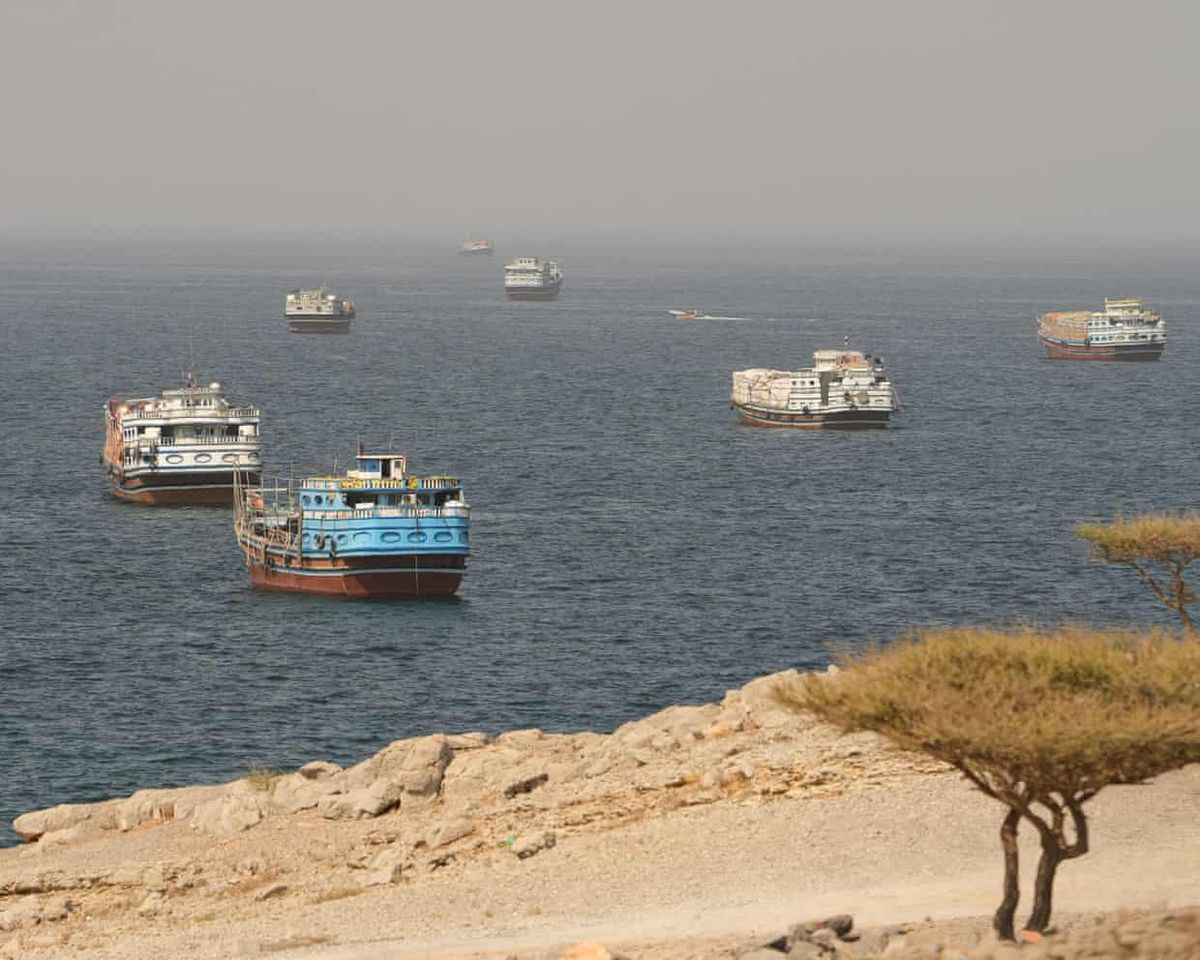
Amir Hayat Moqaddam, deputy chair of the Iranian parliament’s national security and foreign policy committee, stated on Tuesday that vessels from China, India, Qatar, and Iraq are permitted through the waterway. He said that Iran charges transit fees to Indian and Chinese vessels while admitting Qatari ships free of charge.
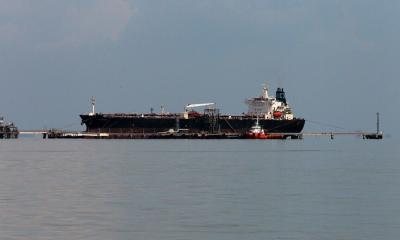
Data from analytics firm Kpler shows that of the 10.23 million barrels of Gulf crude passing daily through the strait in October, approximately 42 percent went to China and 13 percent to India. The Islamic Revolutionary Guard Corps navy stated that two oil tankers attempted an unauthorised crossing in the eastern sector of the strait, collided with mines, and caught fire.