The United Arab Emirates has initiated a mass deportation of Pakistani laborers, a move that the New York Times reports is linked to a deepening diplomatic rift over Pakistan`s mediation in the Iran-US conflict. This sudden policy shift poses a severe threat to Pakistan`s economy, as millions of families depend on the remittances sent by these workers. According to a detailed report published on Monday, May 11, 2026, the long-standing alliance between Abu Dhabi and Islamabad is fraying as geopolitical interests in the Middle East diverge.
The tension reportedly escalated after Pakistan took a leading role in mediating a ceasefire between Iran and the United States on April 8. While Islamabad viewed its role as a contribution to regional stability, the UAE government was reportedly displeased. Abu Dhabi’s frustration stems from the fact that Pakistan did not take a sufficiently stern stance against Iran, despite the UAE being a frequent target of Iranian drone and missile strikes since the onset of the hostilities. This perceived lack of solidarity has prompted the UAE authorities to reconsider their openness to Pakistani labor.
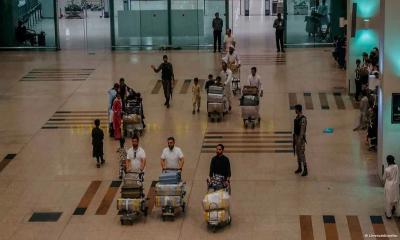
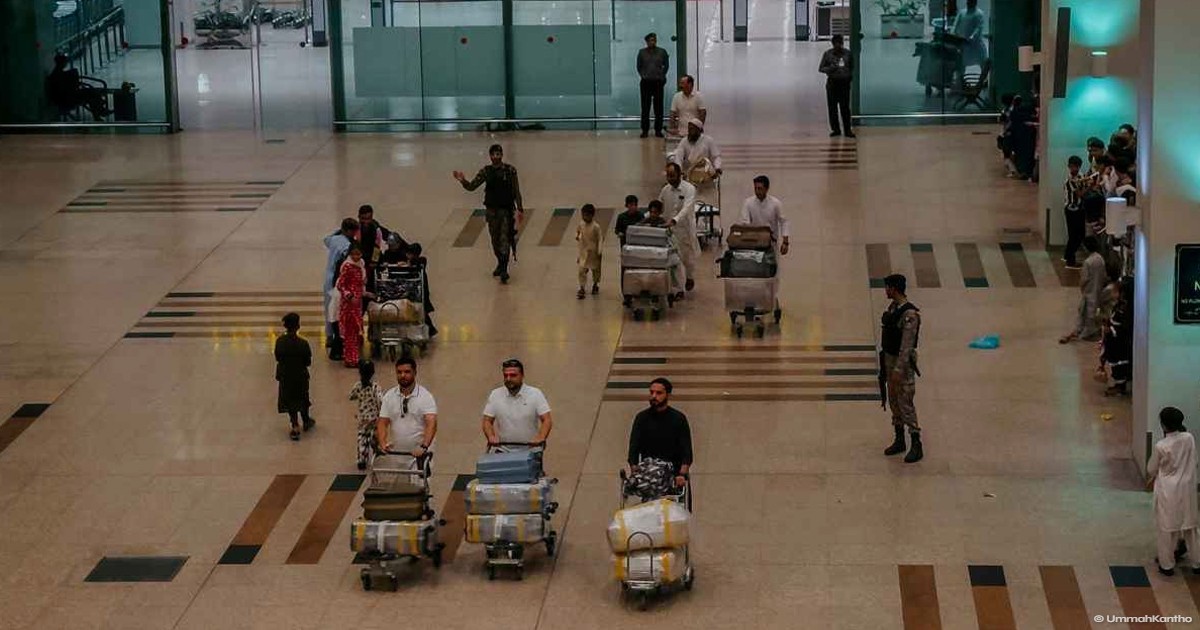
Reports indicate that the deportations have specifically targeted Pakistani Shia workers. The New York Times interviewed over 20 employees who were suddenly detained, arrested, and sent back to Pakistan without the opportunity to settle their affairs or collect their belongings. Religious leaders in Pakistan claim that thousands of Shia workers have been expelled since mid-April. While neither government has provided a specific reason for these targeted removals, the deep spiritual and cultural links between Pakistan’s Shia population and Iran are believed to be a central factor in the UAE’s security assessment.
The diplomatic fallout has also manifested in financial pressure. Last month, the UAE demanded the immediate repayment of a $3.5 billion loan, an amount that constitutes nearly one-fifth of Pakistan`s total foreign exchange reserves. In response, Saudi Arabia stepped in to offer a $3.0 billion deposit to help stabilize Pakistan`s economy. Analysts, including Husain Haqqani of the Anwar Gargash Diplomatic Academy, suggest that the UAE is frustrated by what it sees as a lack of coordination from Pakistan. Pakistan, on the other hand, is increasingly finding itself caught in the middle of a shifting regional rivalry between Saudi Arabia and the UAE.
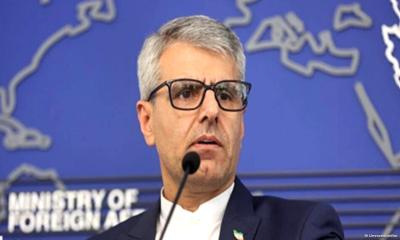
Official responses remain cautious. Pakistan`s Foreign Ministry spokesperson, Tahir Andrabi, has denied the reports of mass deportations, asserting that only those involved in criminal activities are being returned. However, the documentation provided to deported workers often cites "imprisonment" or "absconding" as the reason for expulsion, even for those with valid work permits. In the private sector, managers of at least 12 businesses in the UAE confirmed that immigration authorities have stopped renewing visas for Pakistani staff or have directly ordered their dismissal. This crisis puts $8 billion in annual remittances at risk, a loss that the former Finance Minister Miftah Ismail warns could be catastrophic for Pakistan`s fiscal health.