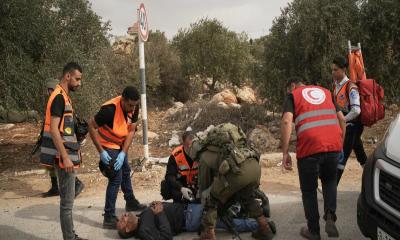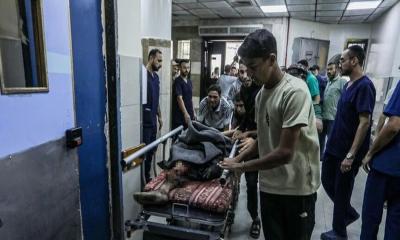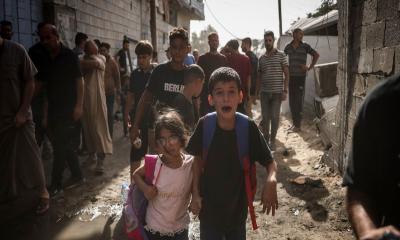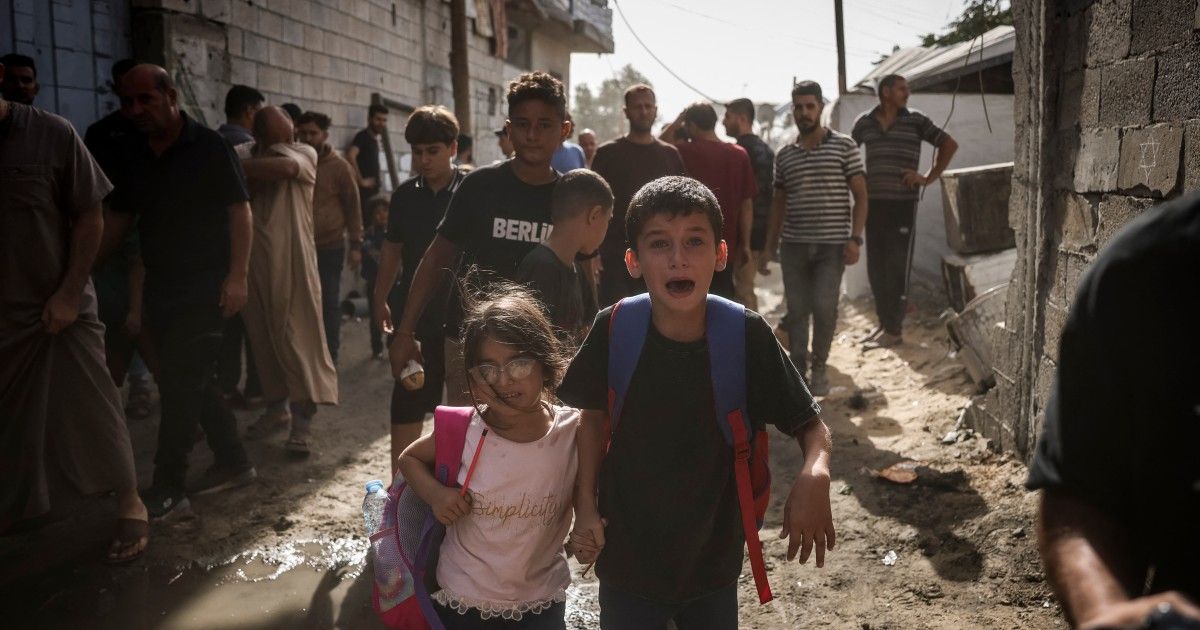
More than 340 children in Gaza have lost their lives and hundreds more have sustained injuries since a ceasefire agreement between Israel and Hamas was announced on October 10, 2026. The United Nations Children’s Fund released the figures on Friday in Geneva.
For the families mourning the loss of their children, those terrible statistics do not equate with a ceasefire, said Ricardo Pires, a spokesperson for the fund, during a briefing with reporters.
In the two weeks prior to the announcement alone, five boys and two girls were reported killed, alongside at least 33 children seriously injured by airstrikes, drone strikes and gunfire across Gaza. Pires said two other boys died from injuries they sustained earlier in the conflict.
The consequences of the war shape every aspect of children’s lives in the territory, according to the UNICEF official. He said the ongoing crisis dictates where children sleep, what they eat and whether they can access education.
Roughly 800,000 children remain displaced across the coastal enclave since the conflict began in October 2023. Most of these young people currently live in tents or in dangerously damaged buildings, while an estimated 60,000 have lost one or both parents either during the war or since the ceasefire.
Nearly every child in the territory requires some form of mental health support, UNICEF reported. Among them is 16-year-old Norhan, whose mother was shot while eight months pregnant, gave birth, and died the following day.
Norhan, whose father has a disability, now cares for her one-year-old sister, Narjis, by cooking, cleaning and playing with her. She also assists her three other siblings with their studies after they return from a UNICEF-supported learning centre.
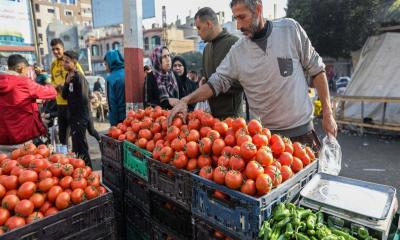
Pires warned that the recovery of minors depends directly on an uninterrupted flow of humanitarian aid and commercial goods. When asked about reports that private traders in Gaza had stopped cooperating with Israeli authorities to bring in commercial food shipments, he recalled conditions prior to the ceasefire when few supplies entered the area and UN-backed experts declared a famine.
We can not go back to a situation where children and families are not getting all the supplies, goods and services that they require, Pires said.
These warnings arrive as falling temperatures and the approaching winter rainy season intensify hardships for families displaced by three years of war. Many residents are filling empty flour bags with sand to stop rainwater from entering their tents. Extensive damage to Gaza’s drainage network from Israeli bombardments has also elevated the risk of sewage-contaminated water flooding residential zones.
Pires pointed to the Sheikh Radwan stormwater basin as an urgent concern because it was already half-full. With the winter rains fast approaching, we are running out of time to pump this out, he said, warning that contaminated water could overflow into nearby neighbourhoods with potentially life-threatening consequences. Children have drowned in sewage-contaminated water before, he added.