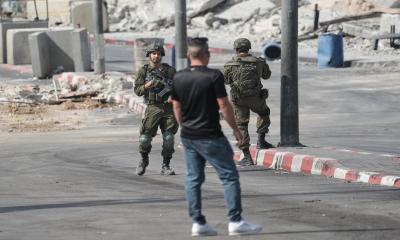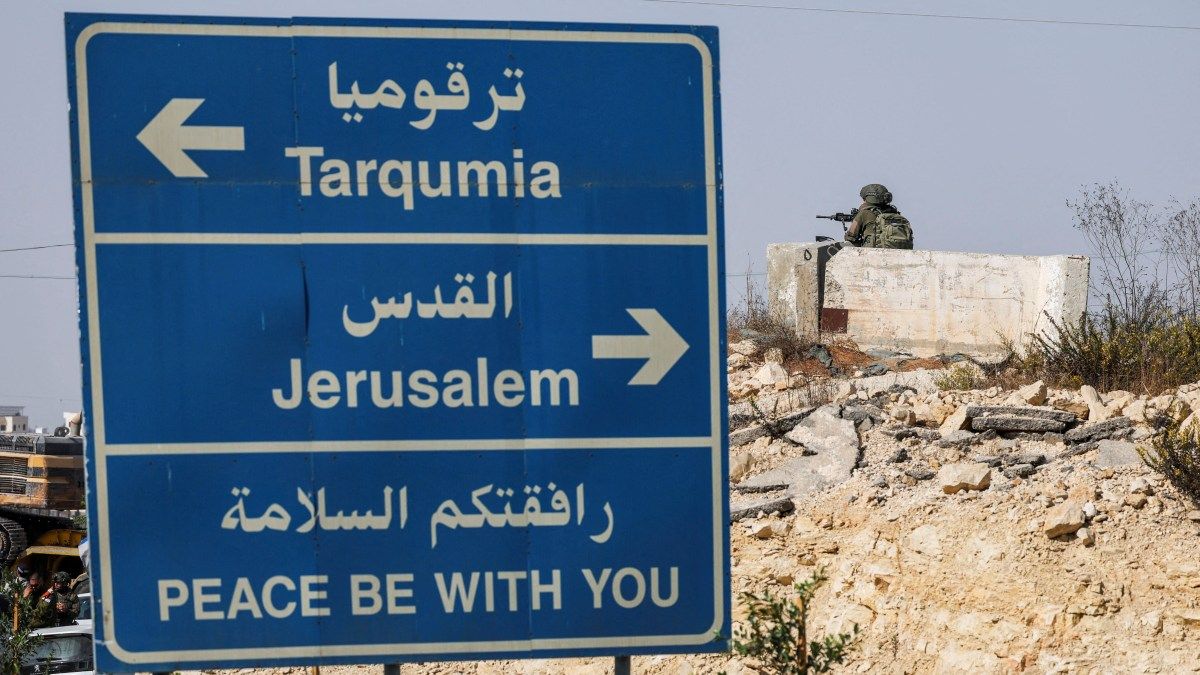
Israel will shut all land crossings connecting to the occupied West Bank during next week’s general election. The military announced early on Sunday that Palestinian workers will be barred from entering most areas of the territory from Sunday through Monday.
A full closure of all crossings into and out of the West Bank will then be enforced on Tuesday. That day marks the national vote in Israel, where Prime Minister Benjamin Netanyahu faces a tight contest.
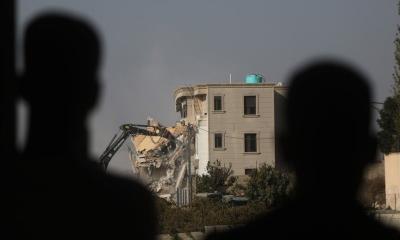
The border restrictions follow a sweeping lockdown imposed on Hebron. Thousands of Palestinians have been displaced from their homes during the operation.
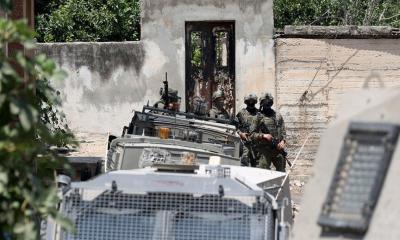
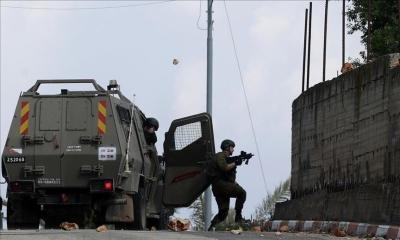
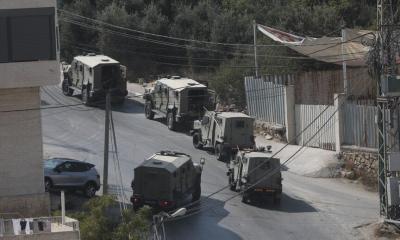
The military has carried out hundreds of raids since two Palestinian gunmen attacked an Israeli army reserve base on Friday. Two Israeli soldiers were killed in the assault, alongside the two attackers.
Prime Minister Netanyahu ordered a full lockdown of the territory following the incident. Defence Minister Israel Katz confirmed that roughly 2,000 individuals had been forced from their properties.
"They will not be allowed to return to their neighbourhood until we’ve finished dealing with all the Hamas issues in Hebron," Katz said in an interview with public broadcaster Kan.
Hebron mayor Yousef al-Ja’bari stated that the city and several surrounding villages were under a complete blockade. He reported on Saturday that troops had forced 2,200 people out of their homes.
Residents said soldiers broadcast forced evacuation orders over loudspeakers late at night. Local families were left with no time to prepare and few places to go.
The Palestinian Authority condemned the measures as collective punishment. It cited home demolitions, the forced displacement of entire neighbourhoods, and the ongoing siege of cities, while urging international pressure on Israel to protect residents.
Hebron and its surrounding governorate are home to approximately 800,000 Palestinians, making it the most populous area in the West Bank. The military stated the current operation will last several days.
Netanyahu hinted at larger operations ahead. He said he was planning action on a scale not seen since the occupation of the West Bank in 1967, as he seeks to capitalise on national security fears during his re-election campaign.