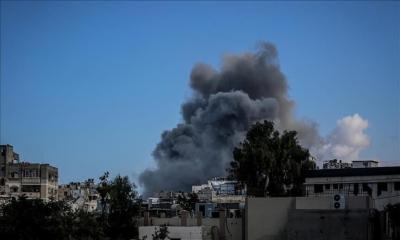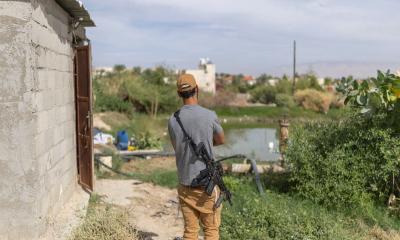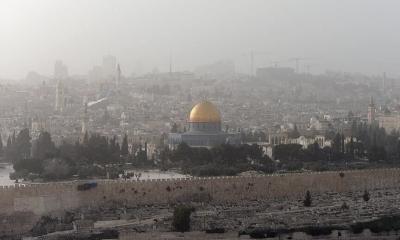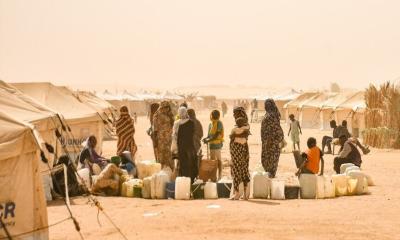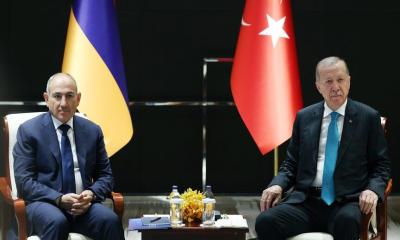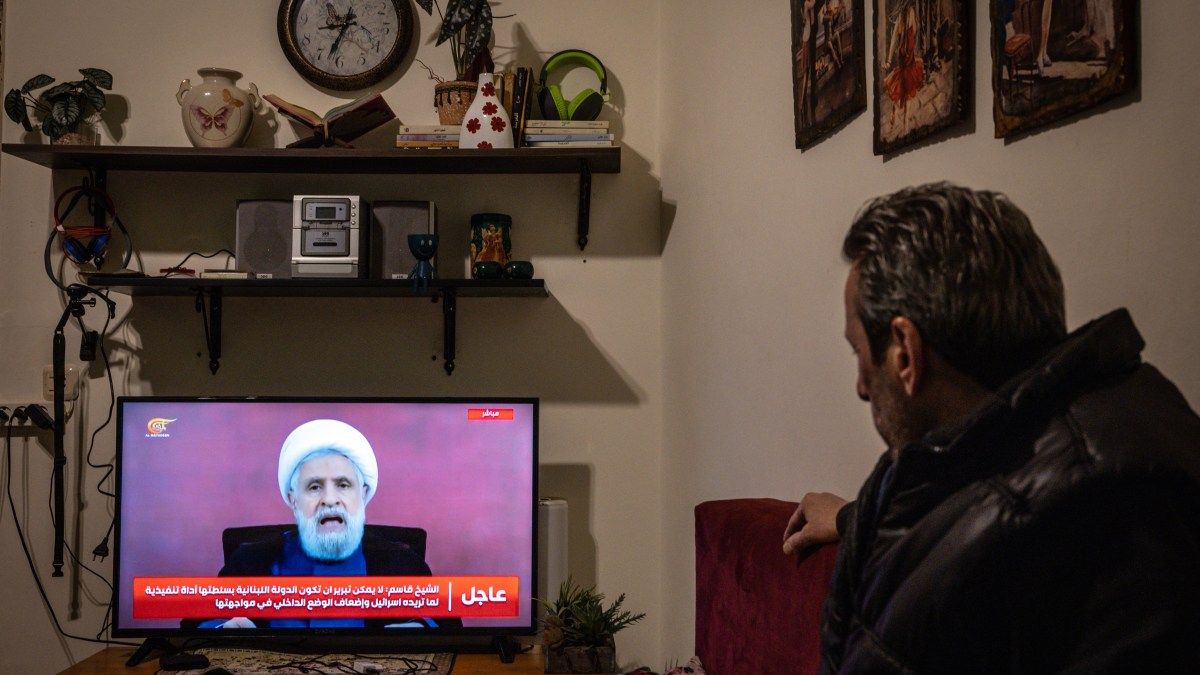
Attacks have subsided following an ostensible ceasefire announced in April, but the sounds of war have not ceased across Lebanon. Residents report constant drone flights and distant detonations, and they have grown accustomed to the noise.
In recent weeks, fears have intensified around a potential third Israeli intensification since 2024. Many Lebanese are now living in limbo, especially in areas that previously witnessed intense Israeli attacks.
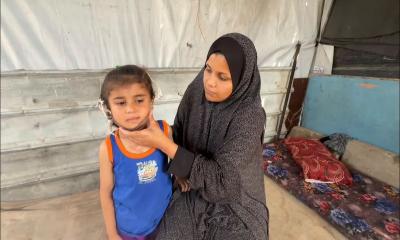
Aya said her family has prepared extra medication for her grandparents in case a new round of conflict makes it difficult to obtain. Others are preparing bags and extra food while keeping electronic devices charged should the attacks start again. She added that she would leave her home if Israeli attacks intensified again, rather than stay as she had before.
“I don’t have the energy for this anymore,” she said. Instead, she has been thinking about leaving Lebanon. “I just can’t handle going through another displacement, especially while watching people around me carry on with their lives as if nothing is happening. I know it’s normal, but for me it’s mentally exhausting.”
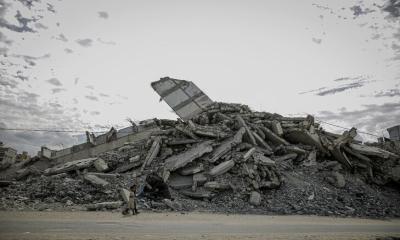
The Lebanese Shia group Hezbollah and Israel have been at war since October 2023. Since then, Israel has killed around 9,000 people in Lebanon, according to the Lebanese health ministry, mostly during escalations in the autumn of 2024 and in March and April 2026. Israel invaded Lebanon during each offensive and has since occupied up to 10 kilometres of territory, establishing a Yellow Line where it continues to destroy towns and villages.
A ceasefire was announced in April, just over a week after Israel launched more than 100 attacks on Lebanon in less than 10 minutes, killing more than 350 people. In June, Beirut and Tel Aviv signed a US-brokered framework agreement to set up pilot zones. This requires the Israeli military to withdraw from those areas so the Lebanese army can move in to disarm Hezbollah.
Active fighting has eased despite ongoing Israeli attacks and the destruction of homes in the far south. Those living above the Yellow Line are mostly out of the line of fire but hear constant explosions and drones. In recent weeks, US President Donald Trump has reportedly considered launching another round of attacks on Iran in coordination with Israel. This prompted warnings of regional retaliation and questions over whether Hezbollah would resume attacks against Israel.
Israeli officials have also accused the Lebanese army of failing to meet its part of the framework deal, a claim the Lebanese army denies. Mohamad Bazzi, a Lebanese political analyst, said Israel has shown its willingness to destroy as much of south Lebanon as possible and punish the Shia community. There is no reason it will not do more of the same if the United States and Israel restart the Iran war on a large scale.
In Beirut’s southern suburb of Haret Hreik, Ramez has stayed in his family’s second home since a neighbouring building collapsed on his apartment in July 2024. “The war for me never really stopped,” he said. He keeps his batteries and power banks charged, his water supply steady for months and his car’s petrol tank full. Other residents from Dahiyeh and the south said they keep go-bags packed and delicate escape routes planned.
While general anxiety has gripped many over another round of fighting, people are also feeling the economic crunch. The World Bank stated in August that it expects inflation in Lebanon to rise to 17.5 percent this year. Analysts fear this could lead to severe security consequences and higher sectarian tensions.