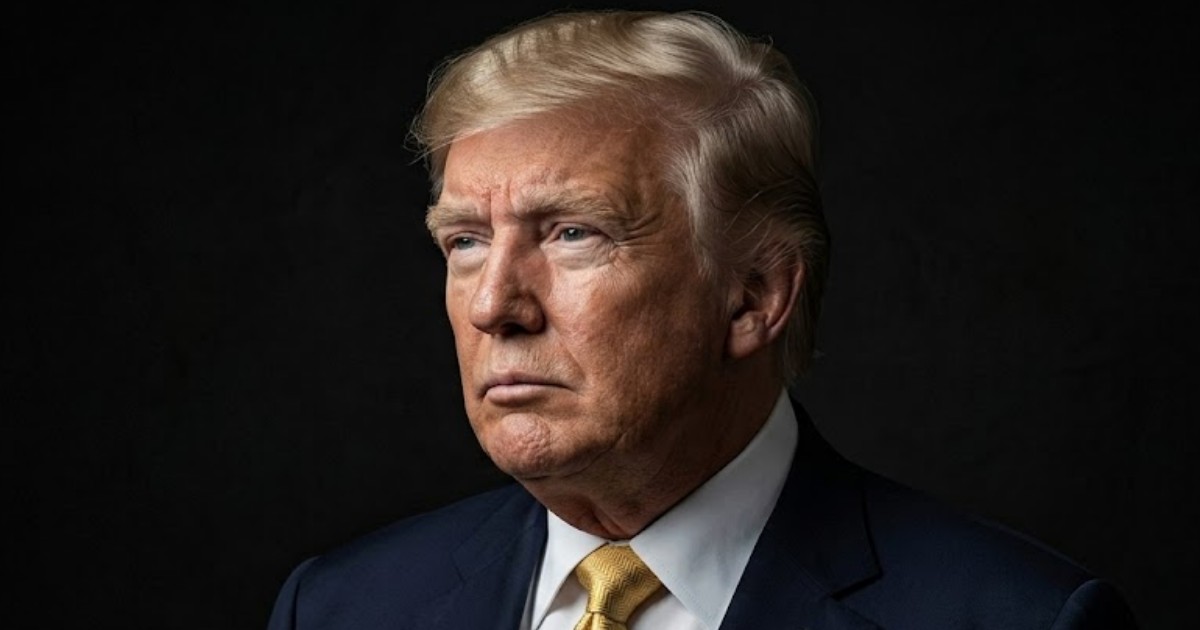
U.S. President Donald Trump on Tuesday announced the withdrawal of a proposed 20 percent fee on commercial vessels transiting the Strait of Hormuz during a White House press briefing, BBC News reported. Within a 24-hour window, the American administration completely abandoned the controversial plan, opting instead to pursue alternative trade and investment deals with Gulf Arab allies. The abrupt policy shift occurred amid escalating concerns over potential global energy price spikes and mounting resistance from international maritime bodies. This sudden reversal marks the latest turning point in a four-month conflict between Washington and Tehran that shows little sign of an immediate diplomatic resolution.
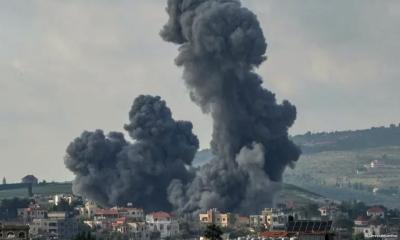
The decision coincided with the U.S. military Central Command reinstating a strict naval blockade on Iranian shipping lanes to completely halt their crude oil exports. The Pentagon confirmed that the month-old temporary ceasefire framework and memorandum of understanding officially collapsed following intense American airstrikes against military installations across Iran. In response, Iranian Revolutionary Guard forces launched retaliatory drone and missile attacks against commercial tankers and regional facilities hosted by U.S. allies. Traffic through the strategic waterway has consequently ground to a near standstill, reigniting fears of a broader regional war. What remains unclear is how the global economy will absorb the prolonged instability if freedom of navigation cannot be secured through the maritime corridor.
U.S. Secretary of State Marco Rubio previously condemned any unilateral attempt to levy transit tolls on international waterways, declaring that such measures directly violate existing maritime laws. Rosemary Kelanic, the director of the Middle East program at Defense Priorities, noted that the bilateral memorandum of understanding is now completely dead with all prior stipulations undone. She described the current situation as a protracted war of attrition that could extend indefinitely without a clear political settlement. Trump remains reluctant to engage in a full-scale military expansion but refuses to settle for an agreement less favorable than the 2015 nuclear accord negotiated under the Obama administration.
Iran continues to face severe economic pressure as the U.S. naval blockade cuts off vital oil revenues necessary to sustain its domestic regime. Concurrently, the Trump administration faces growing domestic political pushback over the indefinite military commitment and potential impacts on domestic fuel markets. The ongoing military exchanges highlight the limitations of achieving a decisive political outcome despite the superior degradation of Iranian defensive capabilities by American forces. The persistent standoff over control of the Strait of Hormuz suggests that the geopolitical alignment of the Middle East will remain highly volatile for the foreseeable future.