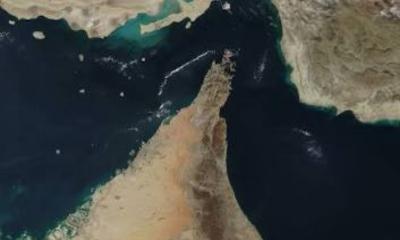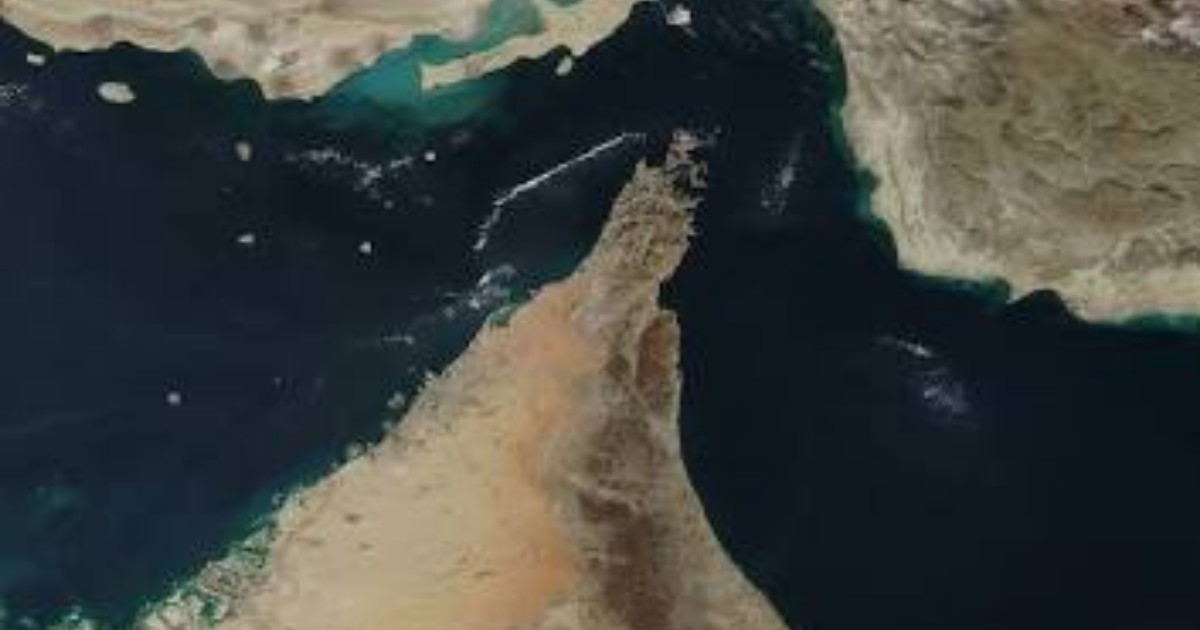
The United States military launched a fresh wave of airstrikes against Iranian targets along the Strait of Hormuz on Sunday following maritime attacks, US Central Command confirmed, according to Reuters and BBC News. US Central Command stated that the strikes successfully hit 140 Iranian military sites, including drone networks, missile storage points, and coastal surveillance hubs. The military response came shortly after Iranian forces attacked a Cyprus-flagged commercial vessel transiting the strategic chokepoint. This dynamic escalation intensified further when Tehran officially declared the vital international shipping lane closed until further notice.
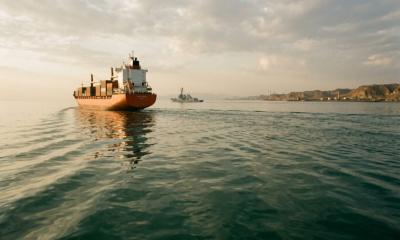
Iran`s Islamic Revolutionary Guard Corps announced that its naval forces targeted the commercial vessel with a cruise missile because it ignored multiple warnings and navigated along an unapproved path. US naval officials confirmed that the vessel, identified as the MV GFS Galaxy, suffered catastrophic engine room damage, leaving one civilian crew member missing. The United Kingdom Maritime Trade Operations reported that the surviving crew members were forced to abandon the burning ship and seek safety in lifeboats. Iranian authorities warned that any subsequent American actions would be met with severe retaliation across the entire Gulf region.
In response to the American air campaign, the Islamic Revolutionary Guard Corps launched coordinated missile and drone strikes against several regional US facilities and allied nations. Iranian state media claimed that their forces hit the Prince Hassan Air Base in Jordan, effectively destroying its central command network and drone hangars. Military air defenses in the United Arab Emirates, Qatar, Kuwait, and Bahrain were activated to intercept incoming Iranian projectiles during the overnight barrage. President Donald Trump announced that the recent Iranian counter-attacks signify an official end to the regional interim ceasefire agreement.
Iranian Parliamentary Speaker Mohammad Bagher Ghalibaf stated on social media that the era of one-sided deals is over and warned that Washington must pay the price for its broken commitments. The broader geopolitical conflict originally erupted on February 28 when a joint United States and Israeli airstrike killed Iran`s longtime Supreme Leader Ayatollah Ali Khamenei. Following his recent burial ceremonies in the city of Mashhad, the newly appointed Supreme Leader Ayatollah Mojtaba Khamenei publicly vowed national vengeance. Iranian Foreign Minister Abbas Araghchi insisted that compliance must be mutual, while accusing Washington of violating economic components of the previous deal.
What remains unclear is whether ongoing diplomatic mediation led by Omani and Qatari officials can successfully restore freedom of navigation through the waterway. The complete blockade of the chokepoint, which historically accounts for 20 percent of global oil transit, threatens to trigger a severe energy crisis. US defense officials continue to demand that Tehran publicly declare the international shipping corridor open and immediately cease hostile operations against civilian maritime traffic. Iranian leaders maintain that the blockade will remain strictly enforced until all foreign military presence exits the region completely.