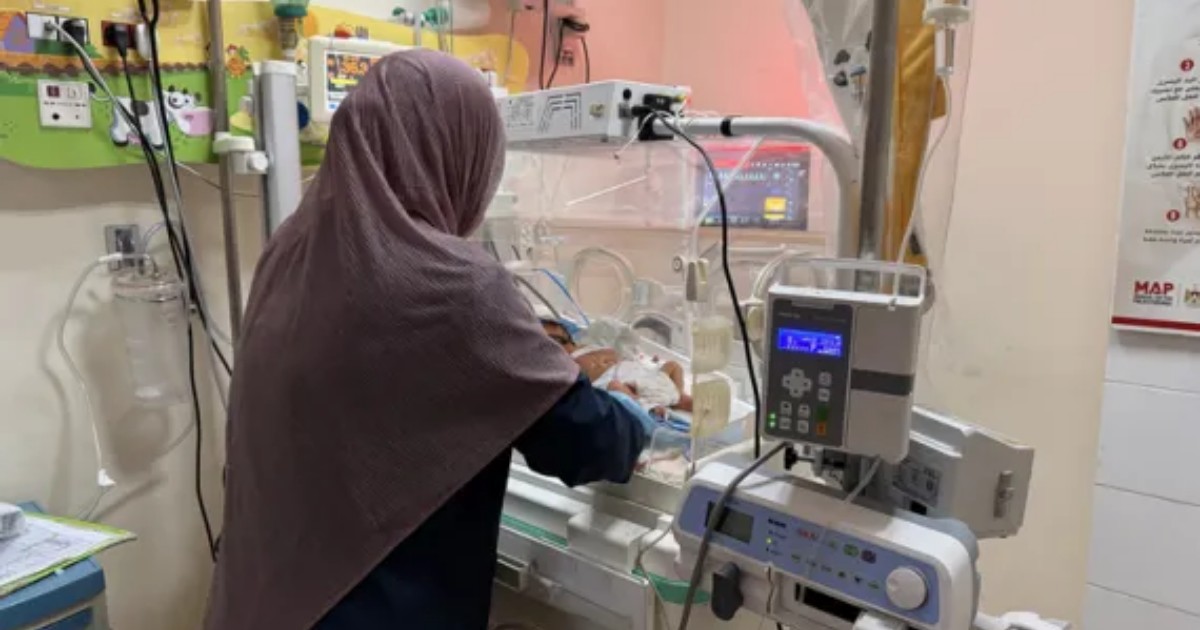
Gaza’s healthcare system is facing a catastrophic collapse as frequent power outages and severe fuel shortages leave hospitals struggling to provide life-saving treatment. According to reports from Al Jazeera, the energy crisis has rendered critical medical equipment inoperable, forcing surgeons to delay essential operations and leaving patients without diagnostic services. The situation at Al-Aqsa Martyrs Hospital in Deir el-Balah serves as a stark example of the daily struggles faced by both staff and the wounded.
Patients arriving at medical facilities frequently find themselves waiting for hours as lights cut out, disabling X-ray machines and other diagnostic tools needed to assess injuries. The destruction caused by ongoing hostilities since October 2023 has crippled the region`s infrastructure. Approximately 90 percent of power lines in Gaza have been destroyed, forcing medical facilities to rely entirely on generators. However, a strict blockade has resulted in a critical lack of fuel, making it increasingly difficult to power ventilators, incubators, and monitoring systems.
The medical staff at Al-Aqsa Martyrs Hospital have warned that the situation is no longer manageable. Surgeon Omar al-Ashtal described the crisis as cumulative, involving worn-out generators, chronic fuel shortages, and a lack of spare parts required for maintenance. The erratic electricity supply has forced doctors to shorten or postpone major surgeries, leading to life-threatening consequences for patients requiring urgent intervention. In intensive care and neonatal departments, any interruption to power can result in fatal complications for the most vulnerable.
Administrative and nursing teams are also struggling as internet and electronic recording systems fail during outages, preventing them from tracking patient cases and coordinating between departments. Nurse Hamza Nawas noted that the difficulties intensify at night, particularly with rising temperatures and the breakdown of power-dependent services. The stress on the staff is immense as they attempt to continue providing care under these increasingly complex conditions.
Engineering experts at the facility report that existing generators are being pushed far beyond their capacity. Operating continuously for months without proper maintenance or high-quality engine oils has led to frequent technical malfunctions. The hospital maintenance teams are currently relying on temporary fixes, but they warn that these solutions cannot indefinitely delay a total failure of vital services. Officials have issued an urgent plea for new generators, consistent fuel supplies, and technical support to prevent the complete suspension of hospital operations across the Gaza Strip.