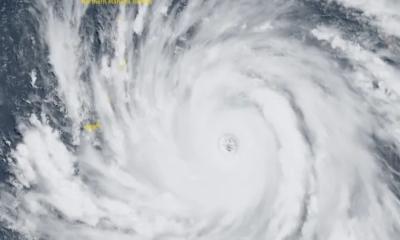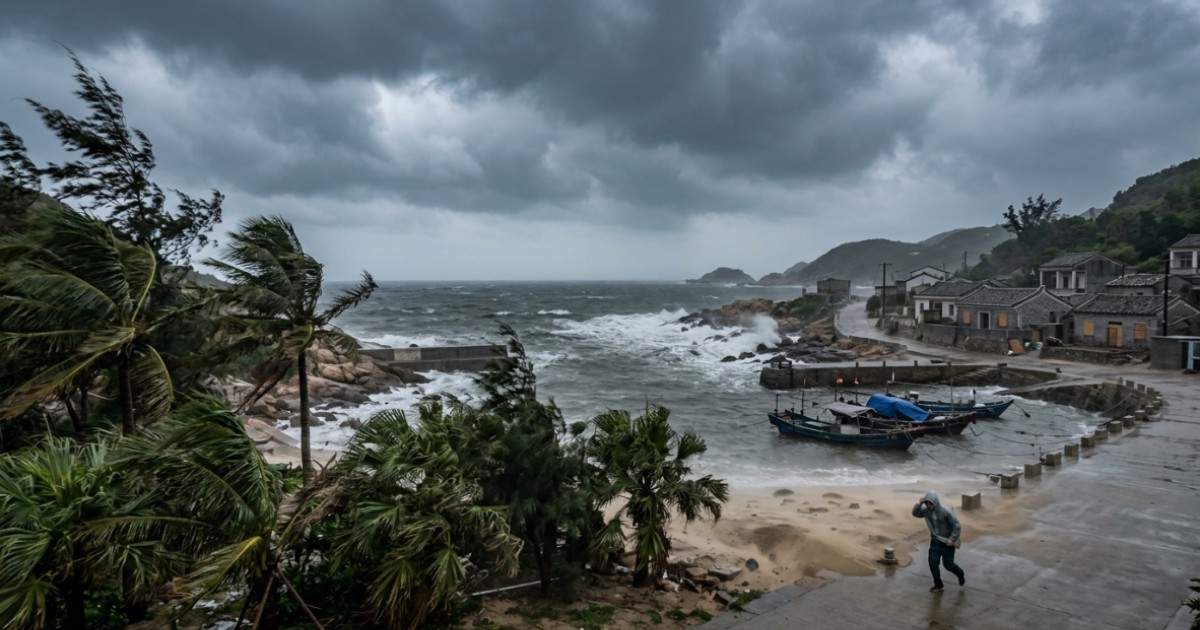
Typhoon Bavi is tracking toward China’s eastern coast after skirting northern Taiwan and Japan’s remote island chains. In anticipation of the storm’s landfall, Chinese authorities have launched a massive emergency operation, evacuating more than 1.8 million people across the Zhejiang and Fujian provinces. The National Meteorological Center has issued high-level alerts, warning that the typhoon is expected to make landfall near the major city of Wenzhou early Sunday.
Although Bavi has weakened from the super typhoon status it held while moving across the Pacific, meteorologists warn that it remains a significant threat. The storm system holds immense volumes of moisture, capable of triggering exceptionally heavy rainfall and potential flash flooding. Provincial governments have mobilized over 17,000 emergency rescue workers, who are currently on standby to address any breaches in infrastructure or urgent medical needs. Local officials have also set up security cordons along coastal areas to prevent residents from entering hazardous zones.
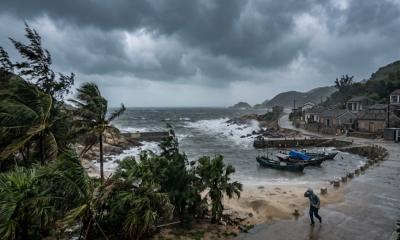
The impact of the impending storm is already visible across the region’s transport and infrastructure networks. Hundreds of flights have been grounded, and significant rail and ferry services have been suspended to prioritize public safety. In the port city of Wenling and other coastal hubs, fishing fleets have been ordered to return to dock, and shops have begun reinforcing storefronts against high winds. State media outlets have confirmed that authorities in Shanghai have also relocated thousands of residents from high-risk coastal zones as a precautionary measure.
Prior to reaching China, Bavi lashed northern Taiwan with powerful winds and torrential rain, toppling trees and leaving tens of thousands of households without power. Japan’s Sakishima island chain also faced violent winds and high seas. While the storm’s wind radius has shrunk slightly as it moves over cooler waters, the National Meteorological Center continues to advise caution, noting that the combination of storm surges and heavy precipitation poses a serious risk to low-lying areas.
This current weather emergency follows a difficult period for China’s southern and eastern regions, which recently dealt with the destruction caused by Tropical Storm Maysak. As emergency response teams work to secure flood defenses and coordinate evacuations, the government has emphasized that saving lives remains the primary objective. Citizens have been urged to stockpile emergency supplies and follow official government directives until the typhoon passes. Meteorological experts will continue to monitor the storm’s path as it nears the coastline, providing real-time updates to minimize potential damage.