Indian Prime Minister Narendra Modi’s recent state visit to the Seychelles has ignited a debate over the diplomatic utility and execution of foreign awards. During his trip from June 27 to June 29, the Prime Minister was presented with a bespoke trophy titled the Guardian of the Blue Horizon. While the award was intended to honor his leadership and commitment to environmental conservation, the official certificate accompanying it contained glaring typographical errors, including misspellings of both the country’s name and the term republic. The incident has drawn criticism from political opponents and analysts alike, who argue that the errors point to a rushed diplomatic protocol.
The Foreign Ministry of the Seychelles has issued a clarification, stating that the image of the certificate circulating online was a working draft rather than the final version. They maintained that the distinction is genuine. However, the episode has reignited discussions regarding the sheer volume of accolades Modi has received over his twelve-year tenure. The Prime Minister has been awarded more than thirty honors during his foreign visits, several of which were created specifically for his arrival.
Nitasha Kaul, a professor of politics and international relations at Westminster University, noted that these awards often serve the Prime Minister’s domestic image more effectively than they advance substantive Indian diplomacy. She argued that the rush to bestow such honors—exemplified by the spelling errors in the Seychelles certificate—suggests that countries are eager to keep New Delhi in favor. According to Kaul, these awards help construct a myth of an internationally respected statesman, a narrative that some experts claim is increasingly detached from the practical realities of global diplomacy.
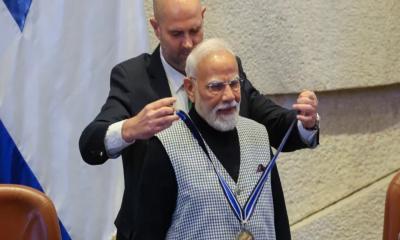
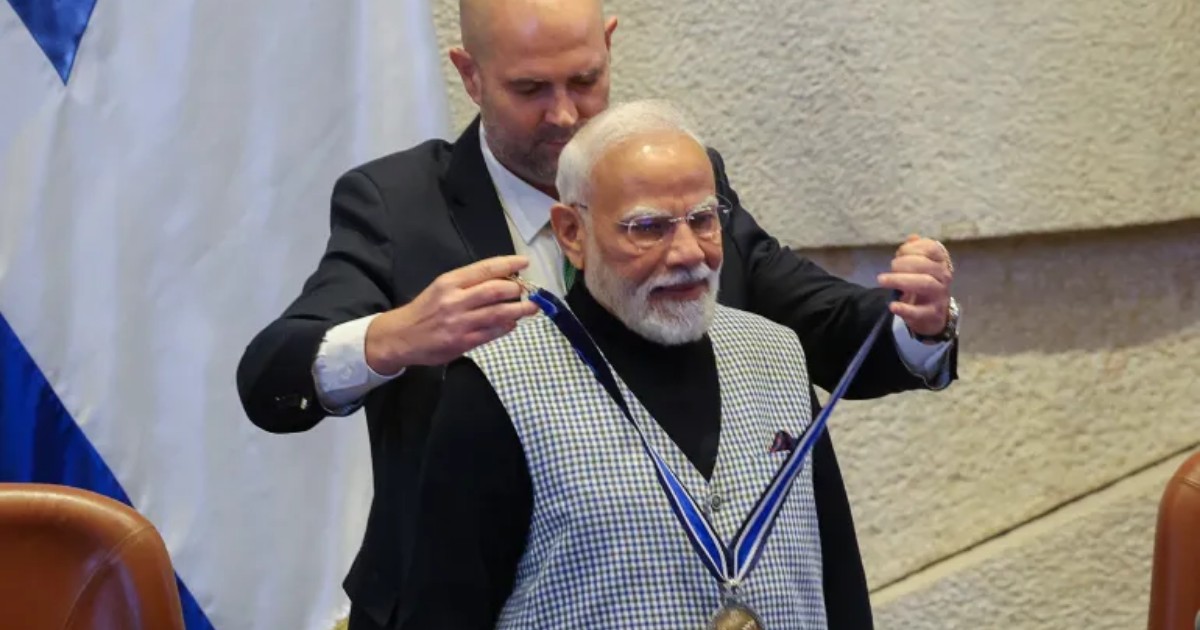
Modi has received a wide range of state honors, including Indonesia’s Bintang Adipurna and the Order of the White Double Cross from the Slovak Republic. In Israel, he was the first recipient of the Speaker of the Knesset Medal, an award created shortly before his visit. Government representatives in New Delhi have consistently maintained that these accolades are a testament to the growing global prestige of the world’s largest democracy. They argue that foreign nations bestow these honors to acknowledge India`s rising influence and the Prime Minister`s efforts in sustainable development and international cooperation.
Despite the government’s stance, academic observers remain skeptical about the tangible benefits these awards provide to the nation. Ian Hall, a professor of international relations at Griffith University, expressed doubt regarding the economic or diplomatic utility of these frequent honors. He suggested that while the government presents these accolades as a reflection of India`s international standing, they often do little to advance India`s practical interests on the global stage. As the debate continues, the Seychelles blunder has provided fresh ammunition for critics who contend that the focus on such awards prioritizes optics over the complexities of effective statecraft.