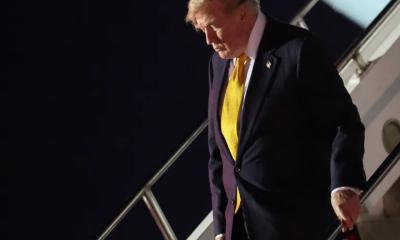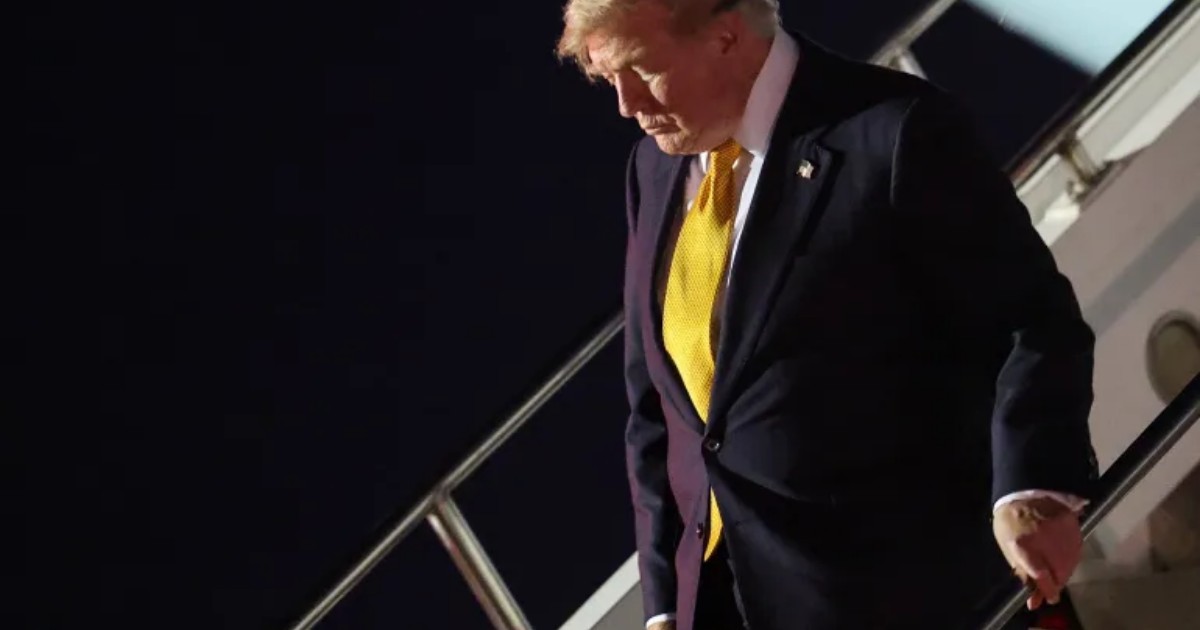
United States President Donald Trump has issued a severe warning to the Islamic Republic of Iran following reports that open calls for his assassination were chanted at the funeral service of the late Supreme Leader Ayatollah Ali Khamenei. In a confrontational post on his Truth Social platform, President Trump declared that the United States military is ready to act if Tehran attempts to carry out any threats against the sitting President.
Trump stated that 1,000 missiles are locked and loaded, aimed at targets within Iran, with thousands more prepared to follow if the government acts on threats to assassinate him. He emphasized that the U.S. military is willing and capable of decimating and destroying Iranian infrastructure. The threat comes after reports from U.S. media, citing Israeli intelligence, described a fresh and active plot to assassinate the President. The U.S. Secret Service reportedly advised the President to switch aircraft when departing the NATO summit in Turkiye earlier this week due to security concerns.
Despite the aggressive rhetoric, President Trump acknowledged that negotiations regarding a potential peace deal remain ongoing. He claimed that the Islamic Republic of Iran requested to continue talks, yet he declared that the provisional ceasefire is over. The ceasefire had already been under strain following Iranian attacks on tankers near the Strait of Hormuz, which resulted in U.S. airstrikes and subsequent retaliatory missile and drone attacks by Iran against U.S.-linked military facilities in the region.
In response to the mounting pressure from Washington, Iran’s lead negotiator and parliament speaker, Mohammad Bagher Ghalibaf, stated that Tehran would never surrender to U.S. demands. Ghalibaf emphasized that Iran remains fully prepared to defend its sovereignty if Washington abandons the memorandum of understanding brokered by Pakistan. He maintained that ending the conflict remains a priority, but warned that any resolution would not come through Iranian capitulation.
Tehran has been pledging revenge against President Trump since the 2020 drone strike that killed top Iranian general Qassem Soleimani. As the rhetoric on both sides intensifies, the regional situation remains volatile. While both nations continue to engage in back-channel talks, the current security environment is characterized by high-stakes brinkmanship and the constant threat of further military escalation. International observers remain concerned that a single miscalculation could trigger a broader, more destructive conflict in the region.