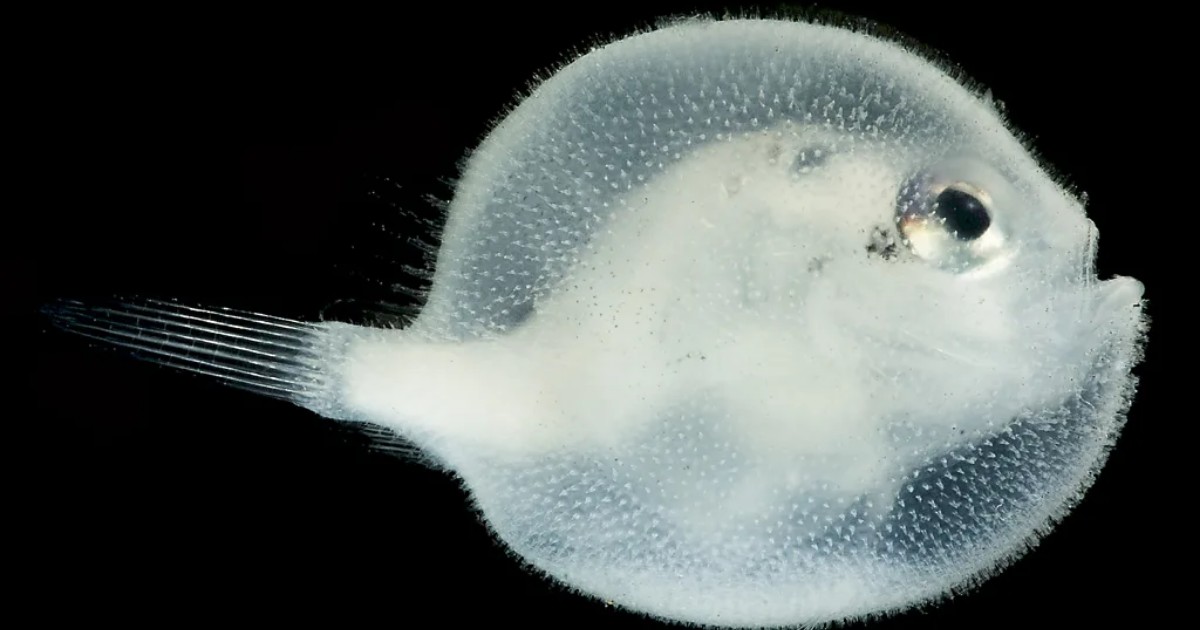
The ocean`s twilight zone, also known as the mesopelagic zone, begins at a depth of roughly 200 meters, where the reach of the sun fades into perpetual gloom. By the time one reaches 1,000 meters, sunlight vanishes entirely, leaving only the eerie glow of bioluminescence produced by deep-sea creatures. While this vast layer of water often appears desolate, it is home to an astonishing diversity of life, housing an estimated 95% of all fish biomass on the planet.
During World War Two, sonar technicians made a bizarre discovery when their equipment reflected off what they assumed was the ocean floor. However, the seabed appeared to move up and down throughout the day. It was eventually revealed that this was not the seafloor, but a massive, concentrated layer of marine organisms moving in unison. This phenomenon, now known as diel vertical migration (DVM), is the largest natural migration of animals on Earth, involving trillions of creatures and a biomass estimated at 10 billion tons.
Every night, as darkness falls, zooplankton rise from the depths to the surface to feed. This layer follows the sunset around the globe like a perpetual wave. Dr. Laura Hobbs, a lecturer in Arctic Marine Science, explains that these tiny creatures, often only millimeters long, swim hundreds of meters daily—an exertion akin to a human running multiple marathons. They travel to the surface to consume phytoplankton, which require sunlight and are thus restricted to the top layers of the ocean.
As the sun rises, these zooplankton retreat to the darker, deeper waters to avoid visual predators that can easily spot them in the light. They remain in the depths during the day to digest their meals, only to rise again when the sun sets. Jon Copley, a professor of ocean exploration at Southampton University, recalls his own experience traversing this migrating layer in a submersible. He described it as a living soup, where every strobe light from the sub was met with a flash of bioluminescence from the surrounding marine life.
The creatures of the mesopelagic zone play a vital role in oceanic food webs, serving as a primary prey source for larger predators like tuna and swordfish, which humans rely on for food. Moreover, these tiny organisms contribute to biomixing, the churning of ocean waters and the transportation of nutrients between depths. Because of their incredibly small size, these animals exist in a viscous world where the physics of water is fundamentally different from the inertial world experienced by humans.
Copepods—tiny crustaceans often dubbed the insects of the sea—are among the most abundant animals in the world. Their feeding appendages are perfectly adapted to operate within this viscous fluid, where a food particle released would essentially remain suspended in place. When trillions of these creatures move their limbs in unison, they generate forces that might significantly contribute to ocean mixing, a possibility scientists are only now beginning to fully appreciate.
Beyond the food web, diel vertical migration is a critical component of the Earth`s climate regulation system. Scientists estimate that this migration transports up to six gigatonnes of carbon from the upper ocean into the deep sea every year. This is more than double the emissions produced by all cars worldwide. Once this organic matter is consumed at the surface and carried to depths below 1,000 meters, it can be stored for centuries, effectively removing it from the atmosphere.
This massive carbon sink is a shortcut for the living system of our planet. The migration ensures that carbon-rich matter is not just left to sink where it might be consumed by bacteria, but is instead sequestered within the bodies of deep-sea dwellers and carried to the depths. Understanding the twilight zone is therefore not just an exercise in marine biology, but a necessary step in comprehending how our planet manages its climate and maintains the delicate balance of life in the deep, dark ocean.