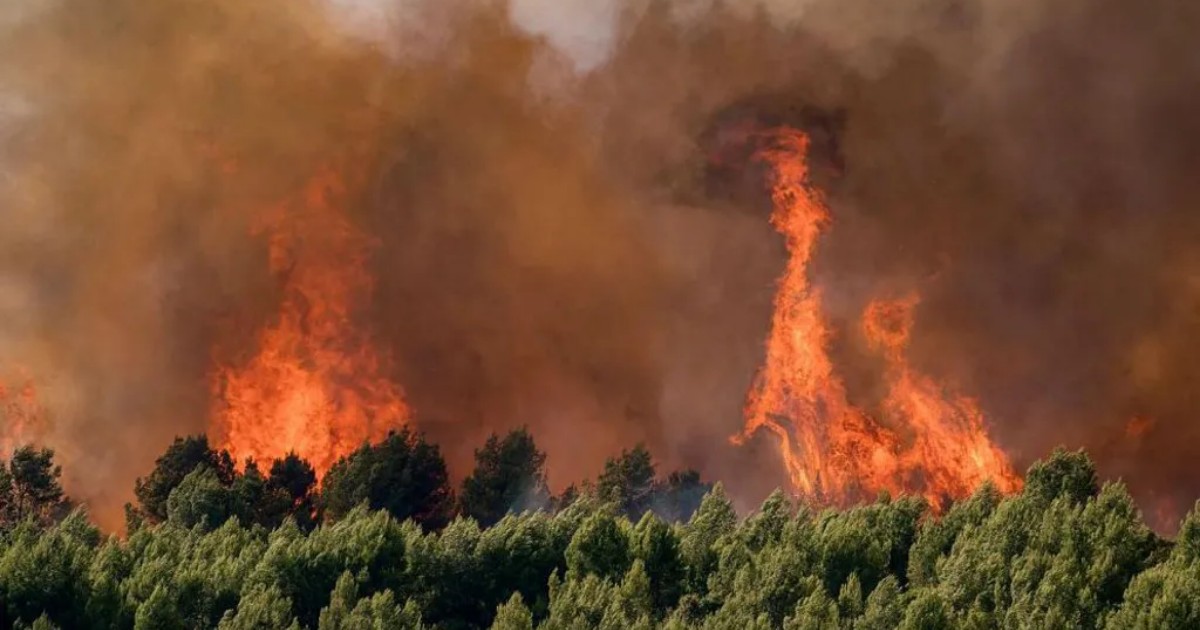
France, Belgium, and the Netherlands have recorded a total of 3,700 excess deaths linked to a severe heatwave that gripped Europe throughout late June. Authorities in the affected nations warned that these figures are preliminary and could climb as further data is processed. The extreme weather event, which spanned from June 20 to June 28, has been described by scientists as one of the most intense and widespread heatwaves recorded on the continent, causing significant strain on regional infrastructure, power grids, and healthcare systems.
In France, public health officials confirmed that 2,025 excess deaths occurred during the peak of the heatwave. The mortality data shows a 29 percent increase in deaths during the final week of June compared to the previous week, with the impact concentrated primarily among individuals over the age of 45. Health Minister Stéphanie Rist stated that the surge in fatalities, particularly among those isolated in their homes, is a major concern. The French public health authority noted that mortality among those at home spiked by 91 percent during the heatwave period, while hospitals and nursing homes also struggled to manage the sudden increase in vulnerable patients.
The situation in neighboring countries was equally alarming. Belgium`s health ministry reported 1,222 excess deaths between June 18 and June 29, labeling the level of mortality as unprecedented for the country. Almost half of the Belgian victims were aged 85 or older, highlighting the extreme risk heatwaves pose to the elderly population. Similarly, Dutch authorities confirmed approximately 480 excess deaths during the same period, with the majority of victims being over the age of 80.
Climate scientists emphasize that the increasing frequency and intensity of such heatwaves are directly linked to global warming. According to the Copernicus Climate Change Service, Europe remains the fastest-warming continent, with temperatures rising at more than double the global average. The late June event saw temperatures soar above 40C in several French regions, disrupting daily life, forcing the closure of schools, and causing widespread cancellations of rail services.
The humanitarian impact of the heatwave has sparked a national debate in France regarding emergency preparedness. While government officials have attempted to reassure the public that the consequences were managed more effectively than the catastrophic 2003 heatwave, critics have questioned the adequacy of the state’s response to rising temperature extremes. The consensus among the scientific community is that these events are becoming the new normal rather than statistical anomalies. As Europe continues to face a hotter climate, policymakers are under increasing pressure to overhaul infrastructure, expand green spaces in urban areas, and bolster healthcare services to protect citizens from future extreme weather events.