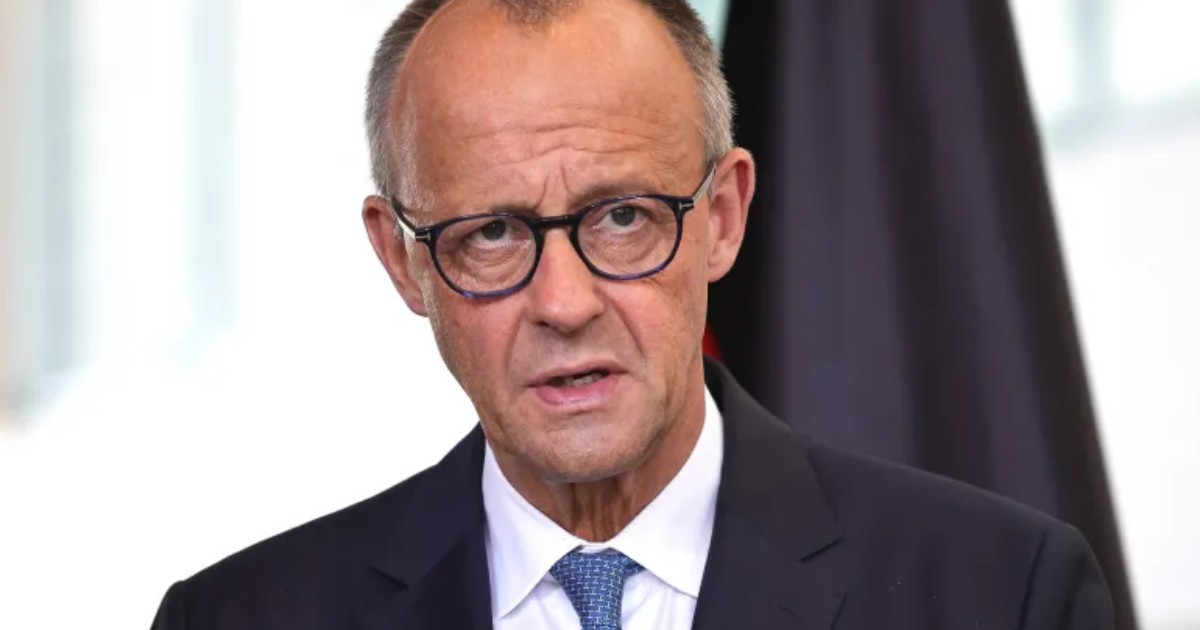
German Chancellor Friedrich Merz has issued a firm defense of his country’s NATO defense spending, responding directly to fresh criticism from US President Donald Trump. The exchange occurred just days before NATO leaders are scheduled to convene in Ankara for a high-stakes summit. Trump, who has frequently targeted the alliance during his political career, recently took to his Truth Social platform to label the spending habits of certain member states as ridiculous and one-sided, igniting a fresh diplomatic spat.
In his online posts earlier this week, Trump specifically singled out Germany, claiming that the country’s defense spending between 2014 and 2025 was significantly lower than that of the United States or other key NATO allies. He characterized this disparity as entirely unacceptable. When questioned about these remarks on Friday, Chancellor Merz did not back down. He confirmed that Germany is on a firm path to doubling its defense budget within the next four years.
Merz articulated that this commitment represents the most significant effort Germany has ever undertaken to bolster its defensive capabilities. He stated clearly that Germany has no reason to shy away from anyone regarding its current path to strengthening the alliance. The upcoming summit in Ankara is expected to be dominated by discussions on regional security, particularly in light of the ongoing conflict in Ukraine. The pressure for European nations to increase their defense budgets has grown exponentially, and the discourse between Washington and Berlin reflects the broader challenges facing the alliance.
Observers suggest that while European nations acknowledge the need for greater self-reliance, the public nature of Trump’s criticism creates unnecessary friction. The rhetoric highlights a persistent tension between the US administration’s demand for stricter adherence to defense spending targets and the economic realities faced by European member states. Merz’s swift response appears aimed at reassuring both domestic and international partners of Germany`s dedication to the collective security framework of NATO.
As NATO leaders prepare to meet, the focus will undoubtedly shift to how the alliance addresses these internal pressures while maintaining a unified front against external threats. The Ankara summit will serve as a crucial platform to address the structural and political disagreements currently testing the cohesion of the transatlantic partnership. Whether Chancellor Merz’s pledge to double the budget will satisfy the demands of the Trump administration remains to be seen, but the defense of Germany`s fiscal decisions signals a resolve to maintain sovereign control over national policy while continuing to meet the necessary security obligations of the alliance.