A young pangolin pup named Stevie has been successfully rehabilitated and returned to the wild following a harrowing journey through the illegal wildlife trade. Rescued from the streets of Johannesburg, South Africa, in 2021, the three-month-old pup required months of intensive medical care and nurturing before he could be considered strong enough to survive in his natural habitat. The rescue operation, which involved a complex sting, highlights both the devastating scale of pangolin trafficking and the dedicated efforts of those working to dismantle this black market.
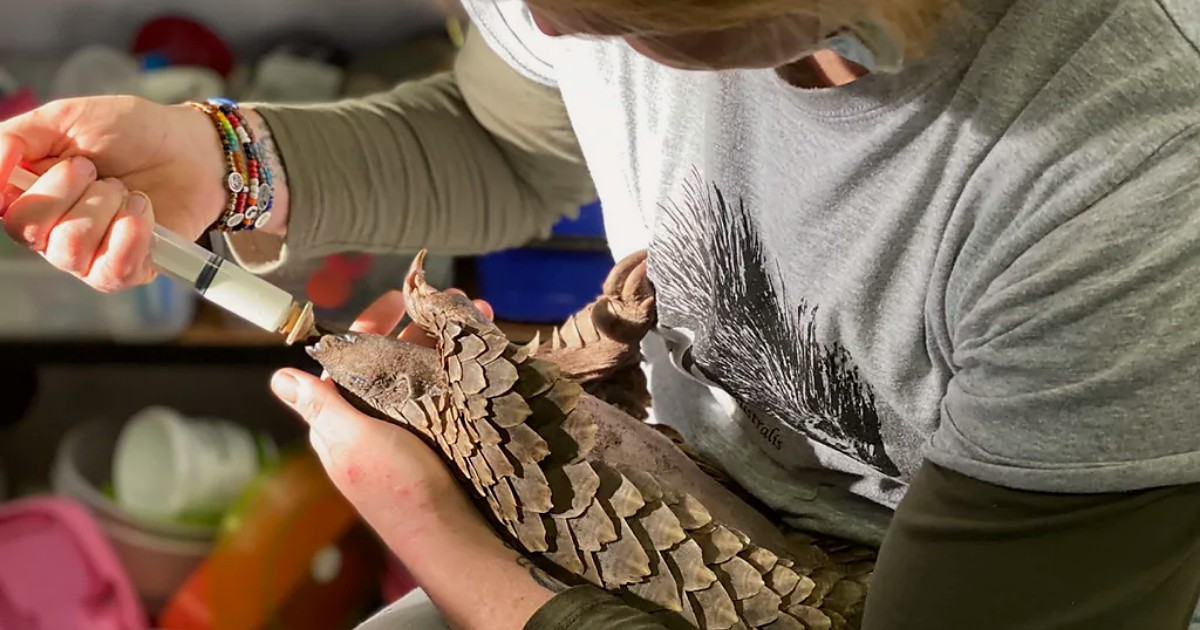
The rehabilitation process was led by specialist veterinarian Kelsey Skinner, who spent six months providing round-the-clock care. Because the pup was separated from his mother during the trafficking incident, he had to be hand-reared using a cat milk formula while gradually being introduced to natural foraging habits. His survival represents a triumph for the African Pangolin Working Group, an organization that supports local law enforcement in conducting sting operations to seize trafficked wildlife before they vanish into the illicit supply chain.
Pangolins are widely considered the most trafficked wild mammal globally. Despite an international ban on their trade enacted in 2016, organized crime syndicates continue to exploit them. Between 2000 and 2016, an estimated one million pangolins were traded internationally. Further data from 2016 to 2024 suggests that at least half a million more have been targeted by traffickers. The demand is driven largely by markets in East Asia, where pangolin scales are utilized in traditional medicine and their meat is treated as a luxury item, alongside pressures from international fashion industries seeking exotic leather.
Rehabilitating these creatures is a precarious endeavor. Victims of trafficking are often kept in cramped, unhygienic conditions inside bags or car boots for weeks. They frequently suffer from severe dehydration, compromised immune systems, and deep psychological trauma, making them notoriously difficult to treat in captivity. Nicci Wright, co-chair of the African Pangolin Working Group, notes that the experience of handling these physically and psychologically compromised animals has evolved over the years, allowing for more effective interventions today than in the early days of conservation efforts.
Stevie’s eventual release back into the wild in 2022 serves as a beacon of hope for conservationists. However, the overarching crisis remains grave. With all four African pangolin species currently threatened with extinction due to trafficking, habitat loss, and local hunting, rescue missions like these provide a temporary reprieve for individuals but do not solve the systemic problem. Experts emphasize that the only path toward long-term survival for the species is a combination of rigorous law enforcement, the disruption of organized crime networks, and a massive shift in consumer demand across global markets.