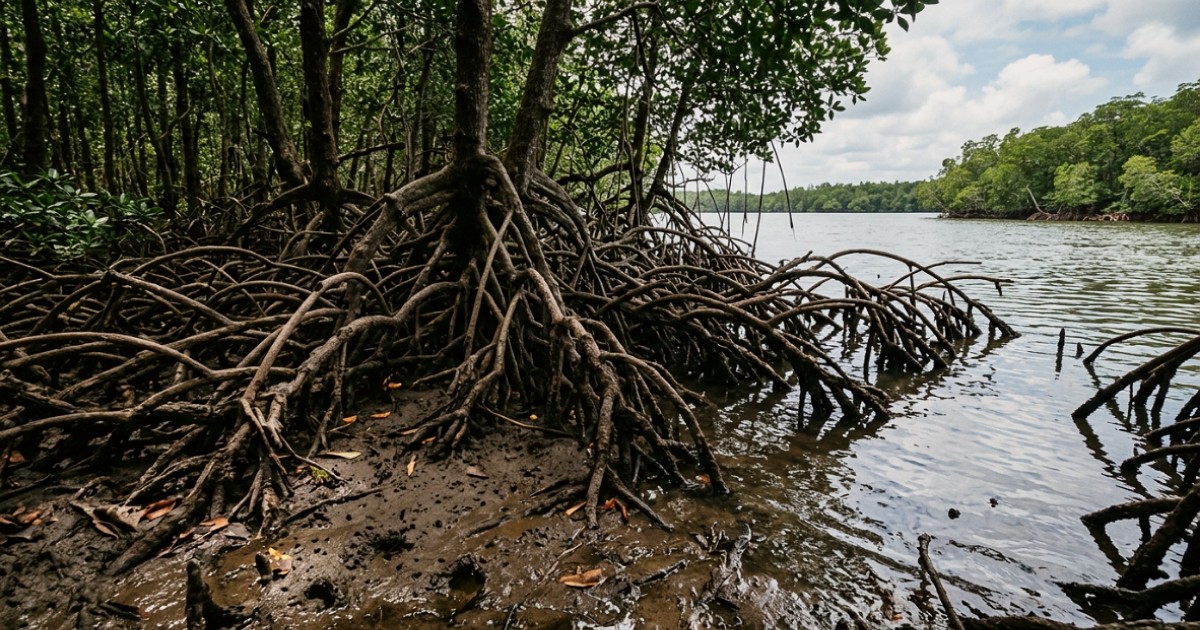
Coastal mangrove forests, which serve as a critical defense against storms and a massive carbon sink for the planet, are experiencing an unexpected resurgence. For decades, these vital ecosystems faced rapid depletion as trees were cleared to accommodate commercial fish farms, urban expansion, and agricultural development. However, recent findings suggest that since 2010, the global gain in mangrove coverage has outpaced the loss, driven primarily by stronger legal protections and heightened public awareness regarding their ecological importance.
The protective benefits of these swampy forests became increasingly clear to global populations following catastrophic events, such as the 2004 Indian Ocean tsunami. Researchers note that the natural capacity of these forests to regenerate is the primary factor behind the comeback once human-led deforestation is halted. Between the 1980s and 2010, over 12,000 square kilometers of mangroves were cleared across Asia, Africa, and the Americas. This cumulative loss has now been significantly reduced as conservation efforts have taken root.
Technology played a crucial role in the latest assessment. By utilizing sophisticated satellite imaging systems, researchers were able to map forests with unprecedented detail, identifying new growth that had been missed in previous surveys. The use of data from the Landsat satellite provided a more globally consistent observation of canopy changes. This advancement in monitoring has allowed experts to track forest stabilization in major mangrove-dense regions such as Indonesia and Myanmar.
Despite the optimistic data, the situation remains complex. In some regions, the expansion of new mangrove forests is coming at the cost of environmental health in adjacent areas. Pollution remains a significant threat, particularly in West and Central Africa. The Niger Delta serves as a stark reminder of these risks, where oil pollution from industrial pipelines has caused visible damage to the local environment. Experts warn that the expansion of mangroves is only a definitive positive if the broader environmental health of the upstream regions is managed.
Ultimately, the restoration of these forests is a combination of active replanting and the reduction of human interference. While the current trend is encouraging, environmental scientists emphasize that uniform success has not been achieved globally. Continued international cooperation and strict adherence to conservation policies are essential to ensure that these unsung environmental heroes continue to protect coastal communities and store planetary-warming gases effectively.