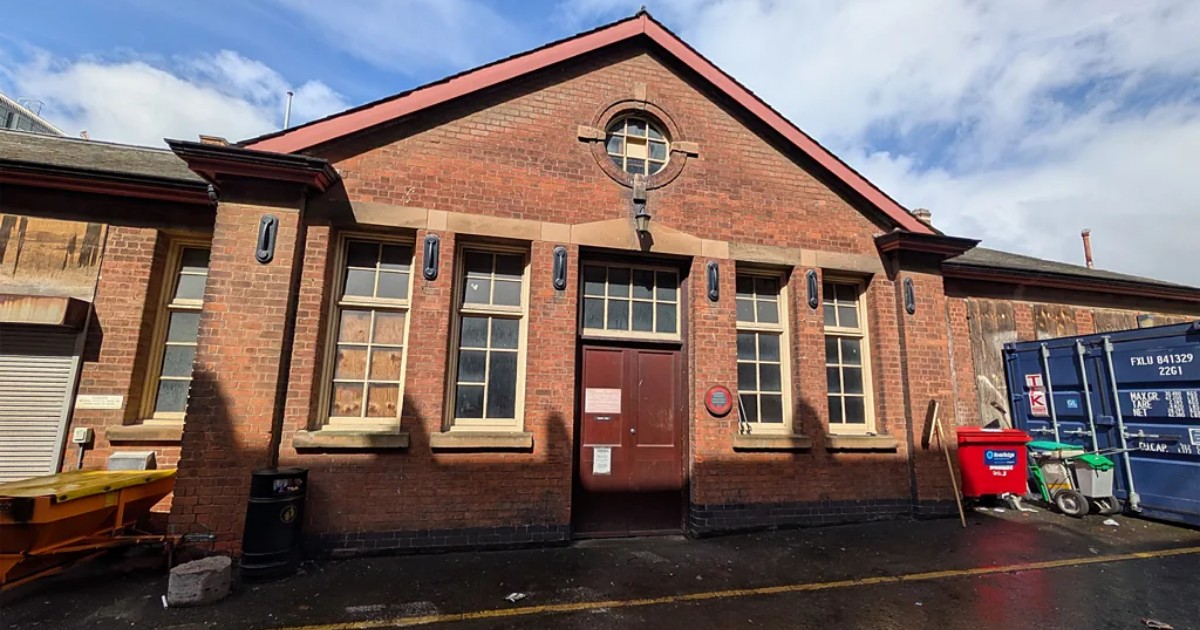
As severe heatwaves continue to threaten vulnerable populations worldwide, air conditioning has evolved from a luxury into a critical life-saving necessity, according to Reuters and BBC News. A 123-year-old natural cooling system hidden inside the Royal Victoria Hospital in Belfast, Northern Ireland, is now drawing renewed attention from health experts and urban planners. Installed in 1903, this historic machinery demonstrates the profound impact that properly engineered ventilation can have on patient recovery and public health during extreme weather events.
The original cooling system relied on a massive, red, six-blade fan constructed from brick and iron. Though currently non-operational, the multi-ton fan remains in pristine condition and can still be spun silently by hand. In its prime, the fan pulled fresh air across a dense network of coconut fiber ropes that were continuously soaked in cool water. This chilled air was then directed through a nearly 500-foot-long upward-sloping corridor before rising into the hospital wards through concealed ducts. Medical staff at the time noted that the system successfully maintained a comfortable indoor temperature of 64 degrees Fahrenheit even when outdoor conditions reached 80 degrees in the shade.
The Belfast system was intentionally designed to purify the air, a critical requirement in a 19th-century industrial city plagued by coal dust and heavy manufacturing pollution. It acted as an early filtration mechanism, trapping soot and airborne debris within the damp coconut ropes. Interestingly, the heavy iron components for this innovative setup were manufactured by the very same engineering company responsible for the ventilation fans on the Titanic. The fundamental principles behind this century-old technology laid the groundwork for modern climate shelters.
The necessity of such cooling infrastructure has never been more apparent in global health discussions. High temperatures can cause severe dehydration, increase human aggression, impair cognitive decision-making, and even diminish the effectiveness of specific medications. Dr. David Eisenman, a health researcher at the University of California, Los Angeles, emphasized that active cooling is the most critical intervention for reducing heat-related health risks. Studies indicate that modern air conditioning prevents approximately 195,000 deaths annually among individuals over the age of 65. Within hospital settings, effective cooling equipment can decrease heatwave-related mortality rates by up to 40 percent.
In Jodhpur, India, where summer temperatures frequently soar to an unforgiving 122 degrees Fahrenheit, a new public cooling station utilizes a strikingly similar natural method. The structure features walls partially constructed from khus, a traditional dried grass. Solar-powered fans draw air through the water-misted grass panels, lowering the interior temperature by up to 22 degrees Fahrenheit. Prima Madan, a director at the Natural Resources Defense Council, stated that the facility has been heavily utilized since opening in 2024. Street vendors, delivery drivers, and women who spend long hours outdoors frequently rely on the shelter for relief. What remains unclear is how quickly other high-risk urban centers will adopt these low-energy, highly effective cooling methods to protect their most vulnerable residents.