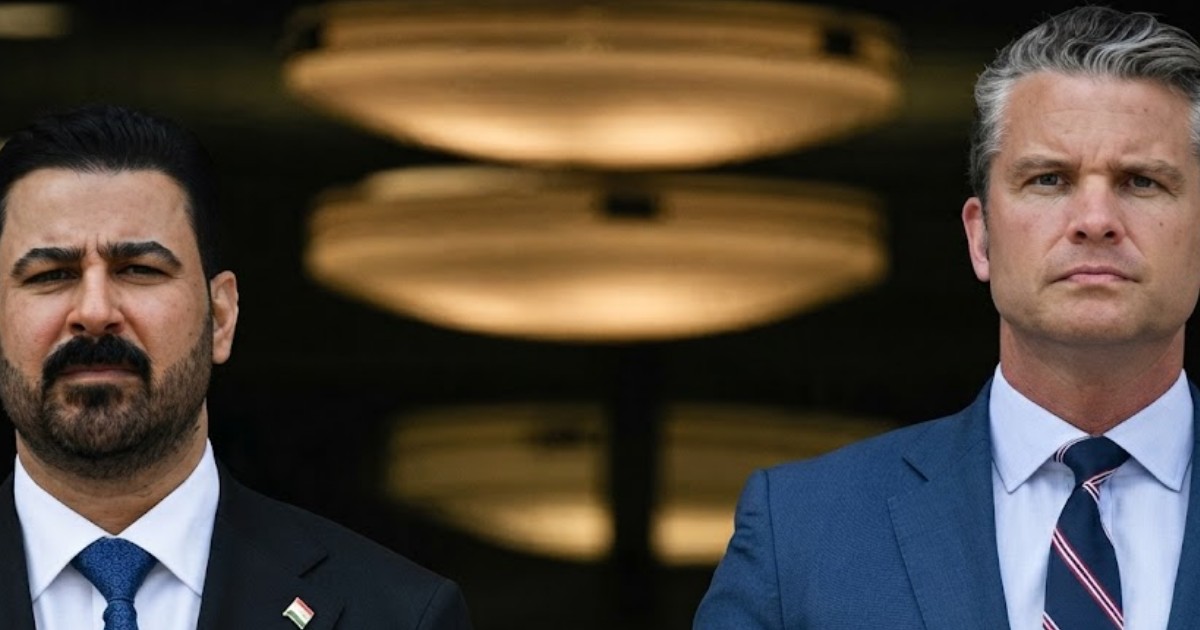
Iraqi Prime Minister Ali al-Zaidi met with United States President Donald Trump at the White House on Tuesday to discuss strengthening economic ties and boosting Iraq’s oil output. However, the diplomatic warmth of the visit was quickly tempered by security warnings from US Secretary of Defense Pete Hegseth, who demanded that Iraq disarm Iran-aligned armed groups operating within its borders. As the conflict between Washington and Tehran intensifies, analysts argue that al-Zaidi’s Washington visit underscores the precarious position Iraq faces, forced to balance two critical relationships it cannot afford to jeopardize.
Iraq’s situation is one of complex interdependence. The government in Baghdad relies on US companies and investment to modernize its energy sector and stabilize its economy. Simultaneously, Iraq maintains deep-seated historical, religious, and commercial ties with Iran. Shia Muslim communities, which comprise approximately 60 percent of Iraq’s population, share significant religious and political affiliations with neighboring Iran. This duality makes it difficult for any Iraqi administration to align itself exclusively with one power while distancing itself from the other.
During the Oval Office meeting, President Trump pledged a series of deals to bolster Iraq’s oil and gas infrastructure. Sources indicate that al-Zaidi is also seeking an IMF loan of up to $8bn to shore up the national budget. Yet, these economic pledges are intrinsically linked to security demands. Both leaders discussed the scheduled withdrawal of the remaining 2,000 US troops from Iraq by September 30. Washington has explicitly conditioned this withdrawal on the Iraqi government’s ability to assert sovereignty and neutralize the influence of Iran-aligned militias that have frequently targeted US positions.
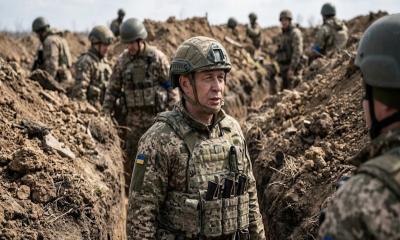
The tension was palpable when Defense Secretary Hegseth met with al-Zaidi later in the day. Hegseth emphasized that Iraq must take responsibility for disarming these factions, which the US blames for the ongoing volatility in the region. However, groups like Kataib Hezbollah, a major faction within the Popular Mobilisation Forces, have already signaled their readiness to enter the war against the US should hostilities escalate further. Such defiance creates a dangerous reality for Baghdad: if it bows to US demands, it risks domestic instability; if it fails to act, it invites retaliatory military strikes.
Inna Rudolf, a senior fellow at the Centre for Statecraft & National Security at King’s College London, argues that Baghdad is engaged in a pragmatic but dangerous game of dual-tracking. While it courts Washington for stability and development, it simultaneously maintains autonomous channels of influence with Tehran to avoid political alienation. Successive Iraqi governments have historically sought to preserve this functional relationship, grounded in shared borders and deep social ties.
The looming danger, according to analysts, is not necessarily a sudden collapse of the government, but rather a gradual erosion of sovereignty. Escalation between Washington and Tehran threatens to turn Iraqi territory into a theatre for proxy warfare. Should the violence spill over, it could disrupt vital energy exports, stall reconstruction projects, and deepen the sectarian divides that already plague Iraqi politics. For the current administration, the challenge is clear: maintaining diplomatic space to mediate while preventing the country from being coerced into a conflict that would hollow out its hard-won stability.