
Friday, 24 Apr, 2026
Published: April 24, 2026, 01:09 AM
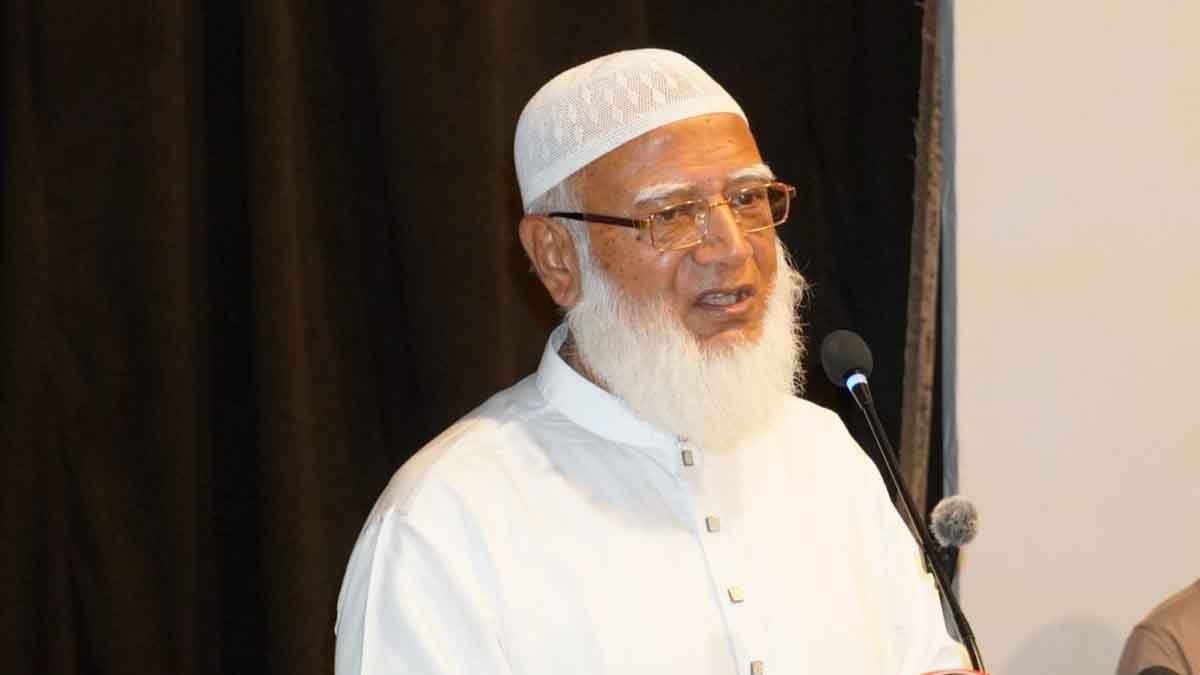
In a surprising move aimed at addressing the disparity in electricity distribution between urban and rural areas, the Leader of the Opposition, Dr. Shafiqur Rahman, has proposed that the National Parliament area be included in the capital’s load-shedding schedule. On Thursday, during an unscheduled discussion in the House, he argued that if the general public must endure power outages, the area housing their representatives should not be exempt. This proposal comes amid a growing debate over the equitable distribution of energy resources across the country.
The discussion began with a statement under Rule 300 by the State Minister for Power, Energy, and Mineral Resources, Anindya Islam Amit. The State Minister informed the House that the government has decided to implement a pilot load-shedding program of 110 megawatts in Dhaka. The objective is to reduce the electricity gap between cities and villages. Amit noted that this decision was reached following the Prime Minister’s advice and after consultations with the Leader of the Opposition. The government hopes that redirecting this power from the capital will provide some relief to rural industries and households facing severe power shortages.
Following the State Minister`s remarks, while proposing the names of opposition members for a committee suggested by the Prime Minister, Dr. Shafiqur Rahman addressed the new energy policy. He suggested that the planned 110 MW load shedding in the capital should commence from the Parliament area itself. Dr. Rahman insisted that the same load-shedding protocols applied to other residential and commercial areas of Dhaka should be strictly enforced within the high-security Parliament zone. He emphasized that such a gesture would signal to the public that their leaders are not isolated from the hardships faced by common citizens.
Responding to the proposal, Speaker Hafiz Uddin Ahmed raised a practical concern regarding the functioning of the House. "Honorable Leader of the Opposition," the Speaker noted, "a session is currently in progress. If load shedding occurs here, how will the session continue? The Parliament must remain operational." In response, Dr. Shafiqur Rahman clarified his stance. He explained that by "Parliament area," he was not referring solely to the main debating chamber during active sessions. He pointed out that the Parliament complex includes numerous other structures, such as residential quarters for members (NAM buildings) and various administrative offices, which could easily be subjected to the load-shedding schedule without halting legislative work.
The Opposition Leader`s proposal has sparked significant interest among the public and political analysts. As various districts across Bangladesh struggle with frequent and prolonged power cuts, the idea of imposing load shedding on VIP zones in the capital is seen by many as a step toward social justice. However, technical experts remain skeptical about the feasibility of such measures due to security requirements for critical national infrastructure. Whether the government will act on this proposal remains to be seen, but the debate has successfully highlighted the urgent need for a more balanced national energy strategy.



















Design & Developed by 