Optimism regarding a new peace framework between Iran and the United States has vanished this week as both nations retreated into hardened diplomatic positions. The deadlock has left the April 8 ceasefire on the verge of collapse, with President Donald Trump recently characterizing it as being on life support. While administration officials have increasingly hinted at a return to active combat, experts warn that the White House is currently trapped in a strategic impasse. Trump faces a series of unfavorable choices that carry significant geopolitical and domestic risks as the region lingers in a precarious state between war and peace.
A return to hostilities remains a distinct possibility but carries heavy political consequences for the Republican Party ahead of the crucial midterm elections in November. Conversely, securing a diplomatic breakthrough would likely require Trump to make significant concessions to Tehran. Iran is currently demanding an immediate end to hostilities across all fronts, including Lebanon, before discussing its nuclear capabilities or regional proxy networks. Furthermore, Tehran seeks the lifting of sanctions and recognition of its influence over the Strait of Hormuz, a critical energy corridor for global exports. President Trump has dismissed these demands as unacceptable, further complicating any potential for a resumed dialogue in the near future.
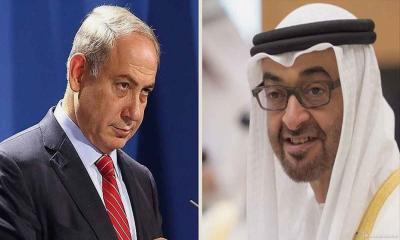
Former State Department official Allison Minor notes that the administration is struggling with limited options as Iran`s strategic assets remain largely intact despite previous military operations. Israeli Prime Minister Benjamin Netanyahu has also emphasized that Iran’s enriched uranium and ballistic missile arsenal continue to pose a threat, suggesting that the initial military objectives have not been fully met. However, extending the conflict would strain U.S. military readiness elsewhere, particularly in the Indo-Pacific region. Reports from strategic think tanks indicate that the recent bombing campaign has already depleted American ammunition stockpiles, potentially weakening Washington’s posture against competitors like China.
Domestic pressure is also mounting as American voters grapple with the economic fallout of the conflict. Rising prices for gasoline, oil, and fertilizer have fueled public discontent, with two-thirds of the population questioning the rationale for the war. Trump’s current approval rating of 36 percent marks a significant drop from the 47 percent recorded last year. As the midterm elections approach, the President must weigh the necessity of military action against the risk of losing control of Congress. With Gulf allies already feeling the brunt of Iranian retaliation, the window for a clean exit or a decisive victory appears to be closing rapidly, leaving the administration in a persistent grey zone.