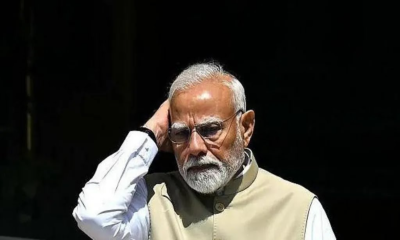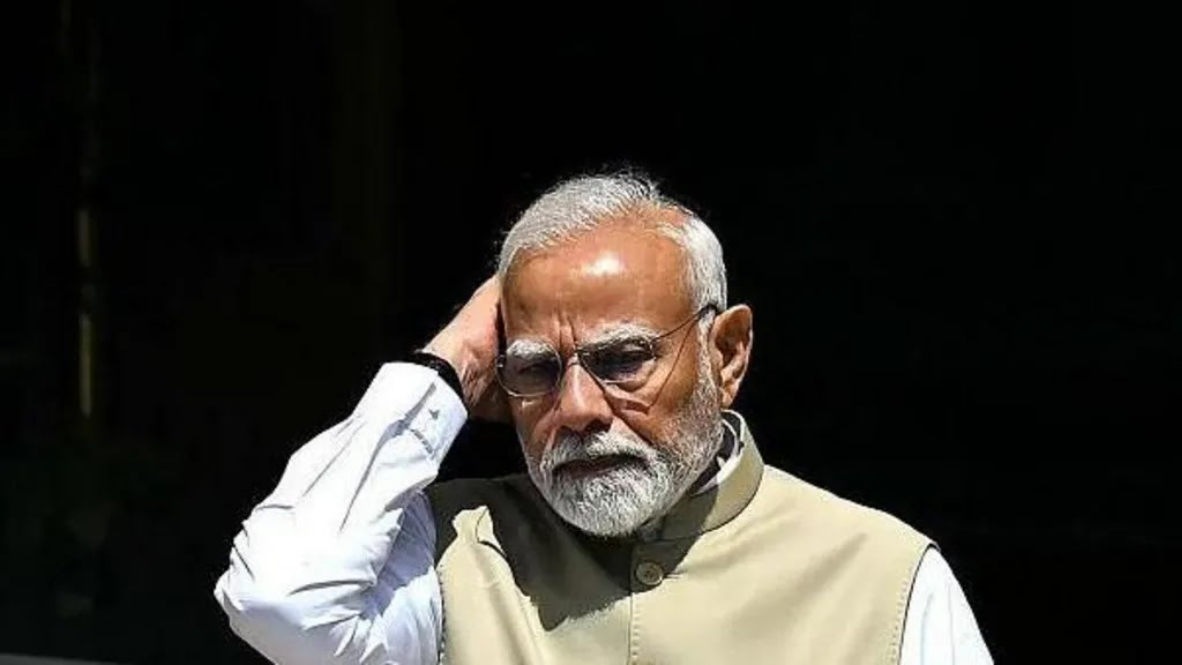
Prime Minister Narendra Modi has issued an unusual and direct appeal to the Indian public, calling for a "belt-tightening" reminiscent of the pandemic years. During a public address in Hyderabad on May 10, the Prime Minister urged citizens to drastically reduce gold purchases and avoid non-essential foreign travel. This symbolic move was swiftly followed by executive action on May 13, as the Indian government hiked import duties on gold and silver from 6% to 15%. The measures signal a growing desperation in New Delhi to protect the country`s foreign exchange reserves and stabilize a tumbling currency.
The primary catalyst for this economic anxiety is the prolonged conflict between Iran and the United States, which has entered its third month. The closure of the Strait of Hormuz, a critical chokepoint for global oil transit, has severely disrupted supply chains. India, which imports approximately 90% of its crude oil and half of its gas requirements, is particularly vulnerable to energy price shocks. With oil prices testing the $100 per barrel mark, India’s import bill has ballooned by billions of dollars, putting unprecedented pressure on the current account deficit.
According to the Reserve Bank of India (RBI), foreign exchange reserves dropped to $690.7 billion as of early May, representing a decline of nearly $38 billion since the start of the conflict. While India still possesses enough reserves to cover 11 months of imports, the intensity of the decline has spooked markets. Gold is India’s largest import after oil, and domestic demand remains high due to cultural significance and the wedding season. By raising import duties, the government aims to curb this "discretionary import" to prioritize foreign exchange for essential commodities like fertilizers, industrial raw materials, and defense equipment.
Economists have noted that while the situation is not yet a repeat of the 1991 balance-of-payments crisis, the structural pressures are very real. Foreign Institutional Investors (FIIs) have withdrawn more than $22 billion from Indian equities so far in 2026, marking one of the sharpest capital outflows in recent history. This exodus is driven by concerns over slowing domestic earnings growth and a global shift in capital toward artificial intelligence and semiconductor-driven markets in other parts of Asia. The Indian rupee has already hit a record low of 95.63 against the US dollar, forcing the central bank to intervene heavily in the forex market.
The government’s decision to double the gold import duty effectively reverses its 2024 policy aimed at reducing smuggling. Critics argue that such high tariffs may revive illegal trade routes, but the finance ministry maintains that the intervention is a necessary safeguard for macroeconomic stability. Chief Economic Adviser V. Anantha Nageswaran recently emphasized that managing external balances while preventing further rupee weakness is the "key challenge" of the year. The burden of adjustment is now being incrementally shared with the consumers through higher fuel costs and more expensive luxury goods.
Ultimately, the Prime Minister`s appeal reflects a deeper fear that the war in West Asia could turn into a prolonged global crisis. By asking Indians to work from home, carpool, and defer luxury purchases, Modi is attempting to rally national participation to prevent a full-blown financial catastrophe. Whether these austerity measures will be enough to shield India from the geopolitical storm remains to be seen, but the message from the leadership is clear: the era of easy consumption must pause for the sake of national economic survival.