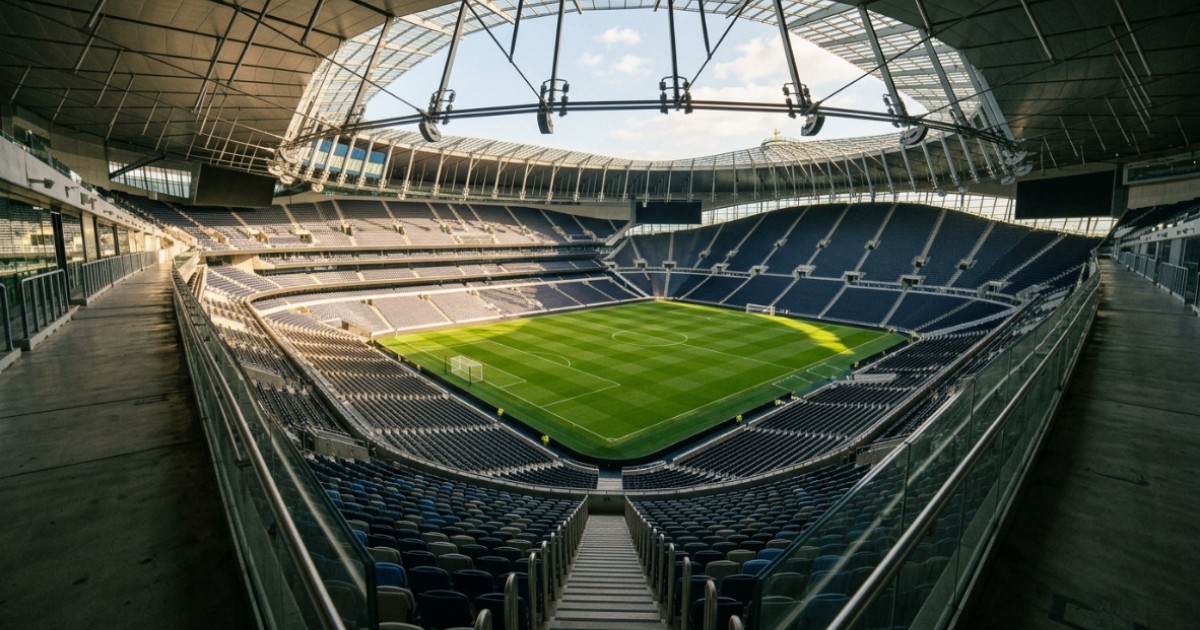
With just one week remaining before the kickoff of the FIFA World Cup 2026, global football’s governing body has introduced a controversial last-minute change to its official stadium conduct policy. FIFA announced on Thursday that, for security reasons, spectators will no longer be permitted to carry reusable water bottles into stadium grandstands. This unexpected regulatory shift has sparked widespread surprise and concern among match-going fans.
Only one month ago, FIFA had explicitly indicated that spectators would be allowed to carry empty, transparent, and reusable plastic bottles with a capacity of up to one liter. However, FIFA stated in an official release that a new amended rule, implemented as of last Tuesday, has officially superseded the previous decision. The measure prohibits all types of bottles, plastic cups, jars, or cans to mitigate the risk of fans throwing objects toward the pitch, match officials, or other spectators, thereby preventing potential injuries and pitch-side disruptions.
The mega-tournament, set to take place across the United States, Canada, and Mexico from June 11 to July 19, is expected to contend with high temperatures. Weather forecasts suggest that many host venues could experience temperatures ranging from 26 to 28 degrees Celsius during matches. Consequently, various fan groups have voiced significant concerns regarding potential spectator dehydration and the accessibility of drinking water within the stadiums if personal bottles are strictly prohibited.
In response to these concerns, FIFA reassured the public in a statement provided to Reuters, promising that adequate alternative solutions would be implemented. FIFA is working in close coordination with host city committees and local administrations to install water hydration stations, misting fans, and cooling tents both inside and around the stadium perimeter. FIFA further clarified that the prices of water bottles sold inside the stadiums would remain consistent with standard rates for other major tournaments or concerts, ensuring that costs are not artificially inflated due to the World Cup.
What remains unclear is how effectively FIFA will manage the logistics of these hydration stations during peak periods of high-attendance matches. There are lingering concerns regarding the potential for long queues at water stations, which could exacerbate the frustrations of spectators during high-stakes games. While FIFA maintains its zero-tolerance policy to ensure safety and prevent pitch disturbances, balancing the strict enforcement of security regulations with the physical comfort of millions of fans remains a significant challenge for the tournament organizers. The success of these new measures will be under intense scrutiny as the World Cup officially gets underway next week.