Iranians are currently enduring severe power blackouts across the country as a punishing summer heatwave and recent military strikes by the United States have crippled the national electricity grid, according to Al Jazeera. A collapsing infrastructure system, further battered by chronic underinvestment, has left millions sweltering in the dark as authorities struggle to manage the escalating energy crisis.
In the Iranian capital, rolling blackouts have disrupted nearly every facet of civilian life. Kamran and Moein, two students at the Sharif University of Technology in Tehran, recently watched a viral social media video of a frustrated ice cream vendor who lost roughly 400 pounds of merchandise after it melted during a prolonged outage. For Kamran, the crisis hit home when his university’s servers went offline during final exams, forcing the institution to postpone 38 tests until the following month. He told Al Jazeera that the ongoing uncertainty destroys any motivation to study. Moein highlighted a much darker reality, noting that unannounced power cuts are a matter of life and death for patients relying on home ventilators or those who need to store vital medications in refrigerators.
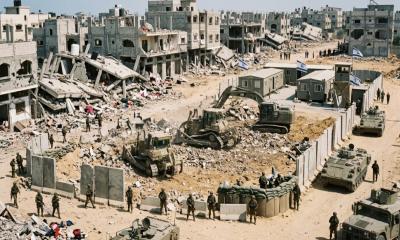
The ongoing crisis sharply contradicts a series of official assurances made just days before the outbreak of the United States-Israel war on Iran in February. President Masoud Pezeshkian and Energy Minister Abbas Aliabadi had promised the public a summer completely free of electricity disruptions. Tehran City Council Chairman Mehdi Chamran defended the unannounced blackouts by pointing out that numerous electrical facilities had been heavily bombed during recent military escalations.
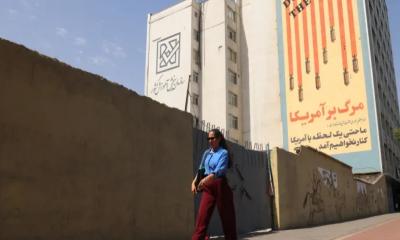
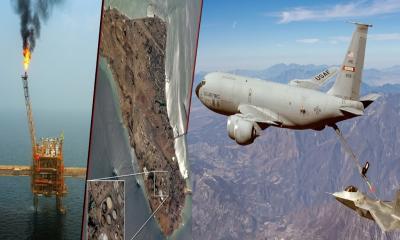
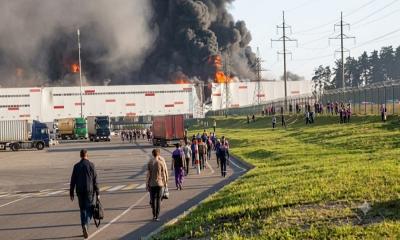
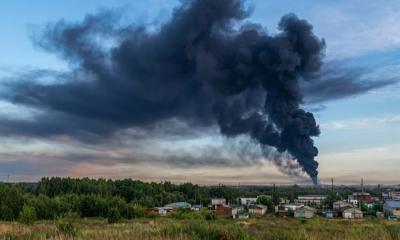
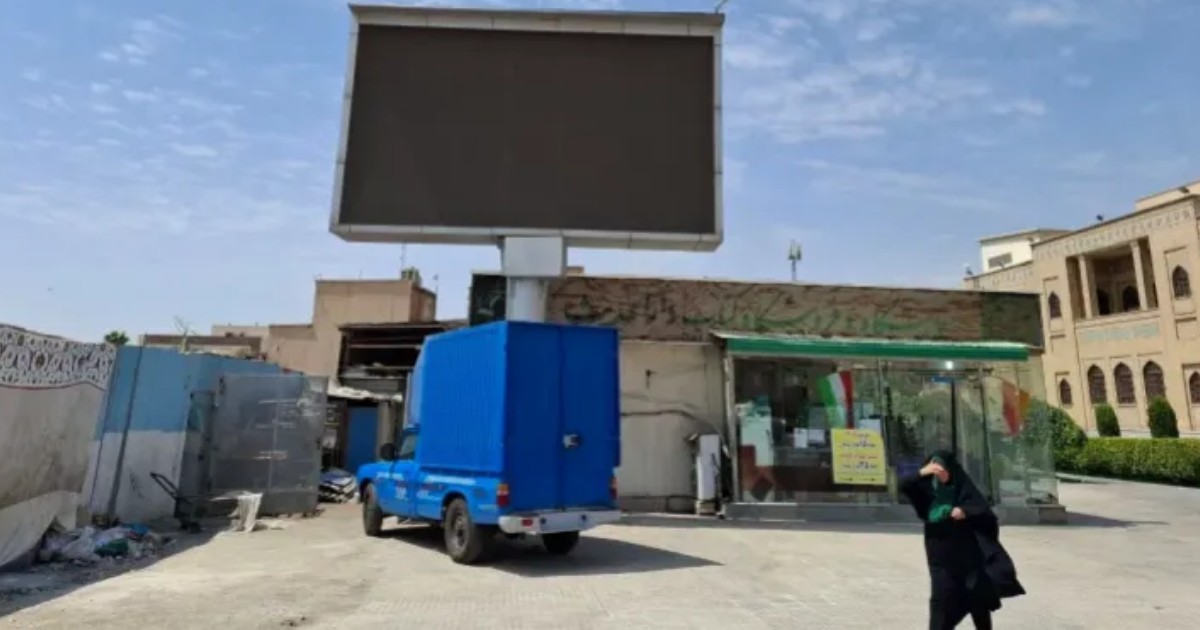
Mohammad Allahdad, the chief executive officer of the national electricity company, confirmed the massive scale of the devastation. He cited a staggering 4,200-megawatt drop in overall grid capacity and reported severe damage to more than 2,000 points across the network. Local reports indicated that American strikes on a major power plant on Kish Island, coupled with extensive damage to distribution networks in Bandar Abbas, Jask, and Chabahar, compounded technical failures already triggered by the extreme heat. Small business owners across Tehran have been forced to rely on noisy portable generators on city sidewalks to prevent perishable goods from spoiling. Massive digital billboards remain entirely dark, and police officers are manually directing traffic at major intersections because traffic lights have failed.
Bahman Arman, an economics professor at Tehran University, explained the bitter paradox of the energy deficit. During the joint air strikes in what is known locally as the Ramadan War, major industrial consumers like the Mobarakeh Steel Company and Khouzestan Steel were forced offline. Theoretically, this should have returned 2,000 megawatts of surplus power to the national grid. However, the Mahshahr petrochemical complex, which previously generated surplus electricity for the country, was also heavily bombed. Arman noted that a former source of surplus has now become a source of deficit, relying on the crippled grid for its own basic needs.
While heavy rains boosted hydroelectric output earlier this year, Arman insisted that the war was merely the final blow to a system suffering from aging transmission lines and massive energy loss. Long-term solutions, such as the proposed Bakhtiari Dam, require an injection of 500 million dollars in foreign currency and up to five years to complete. Meanwhile, industrial zones are facing daily power cuts lasting four to six hours, threatening to cripple Iran`s non-oil export engine.