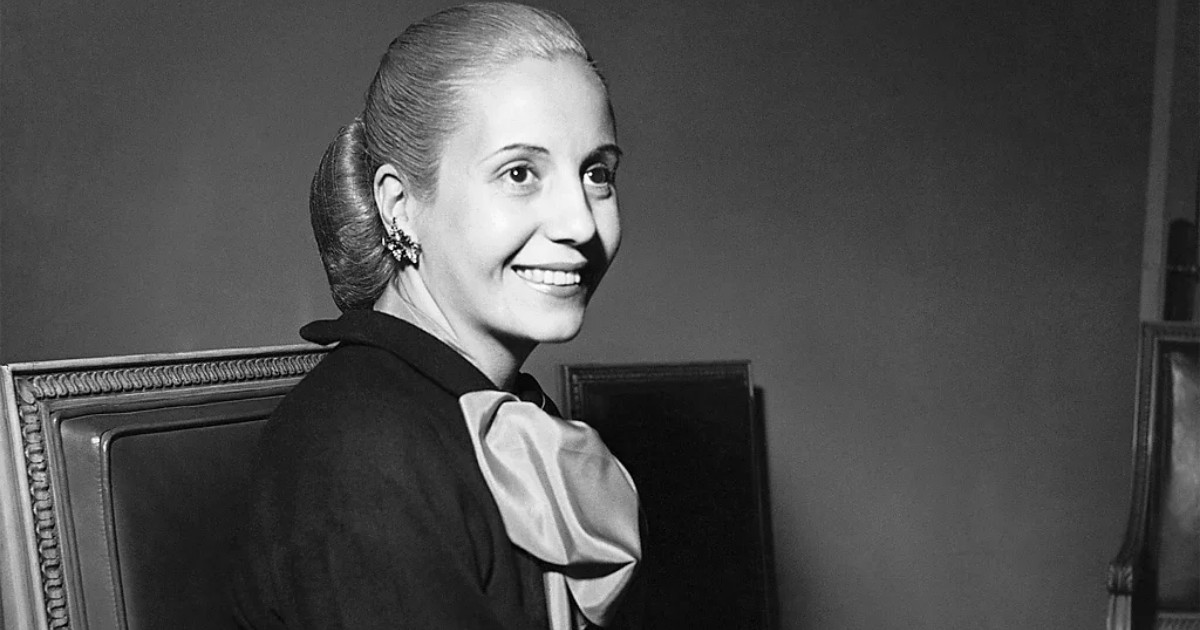
The disappearance of Eva Perón’s body remains one of the most macabre chapters in Argentine history. When the beloved first lady died of cervical cancer on July 26, 1952, at the age of 33, her husband, President Juan Perón, sought to preserve her legacy quite literally. Renowned Spanish anatomist Dr. Pedro Ara was tasked with embalming her remains using a sophisticated technique involving paraffin and glycerine injections. The goal was to create a lifelike preservation similar to that of Soviet leaders Lenin and Stalin. The body was intended to rest in a glass coffin within a grand monument to workers.
However, the political landscape shifted dramatically in September 1955 when a military coup deposed Juan Perón. The new regime, led by General Pedro Aramburu, viewed the Peronist movement as a threat to their control. Recognizing the intense devotion the working class felt for Evita, the military leaders feared that her preserved body could become a potent symbol of resistance. To dismantle this influence, they ordered the removal and disappearance of her corpse, initiating a bizarre 16-year odyssey.
Lieutenant Colonel Carlos Moori Koenig, then head of the Army Intelligence Service, was tasked with hiding the body. For years, the corpse was moved across Buenos Aires, stored in locations ranging from the back of a van to the city’s waterworks and behind a cinema screen. During this period, candles and flowers would mysteriously appear at the locations where the body was allegedly hidden. Later, reports emerged suggesting that Koenig had grown dangerously obsessed with the remains, allegedly displaying the coffin in his office and reportedly forming an unhealthy infatuation with the charge.
By 1957, the military decided to remove the body from Argentina entirely. Using the alias María Maggi de Magistris, the corpse was shipped to Italy and buried in a cemetery in Milan. Despite the secrecy, the Peronist underground remained active in Argentina, with graffiti demanding to know the whereabouts of their leader. The absence of the body transformed Evita from a political figure into a mythic martyr, making her return a central rallying cry for her followers during years of military rule.
The saga finally reached a turning point in 1971 when a new regime initiated steps toward democratic transition. The government agreed to return the remains to Juan Perón, who was living in exile in Madrid with his third wife, Isabel. Witnesses from the time described the grim task of cleaning the remains after years of neglect. Following Juan Perón’s death in 1974, the body was eventually returned to Argentina. Today, Eva Perón rests in a heavily fortified crypt in Buenos Aires, finally ending one of the most strange and disturbing journeys in the history of modern politics.