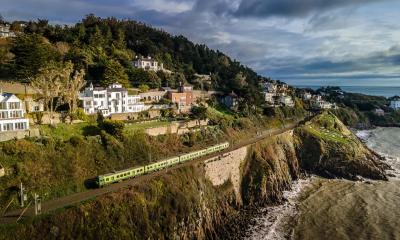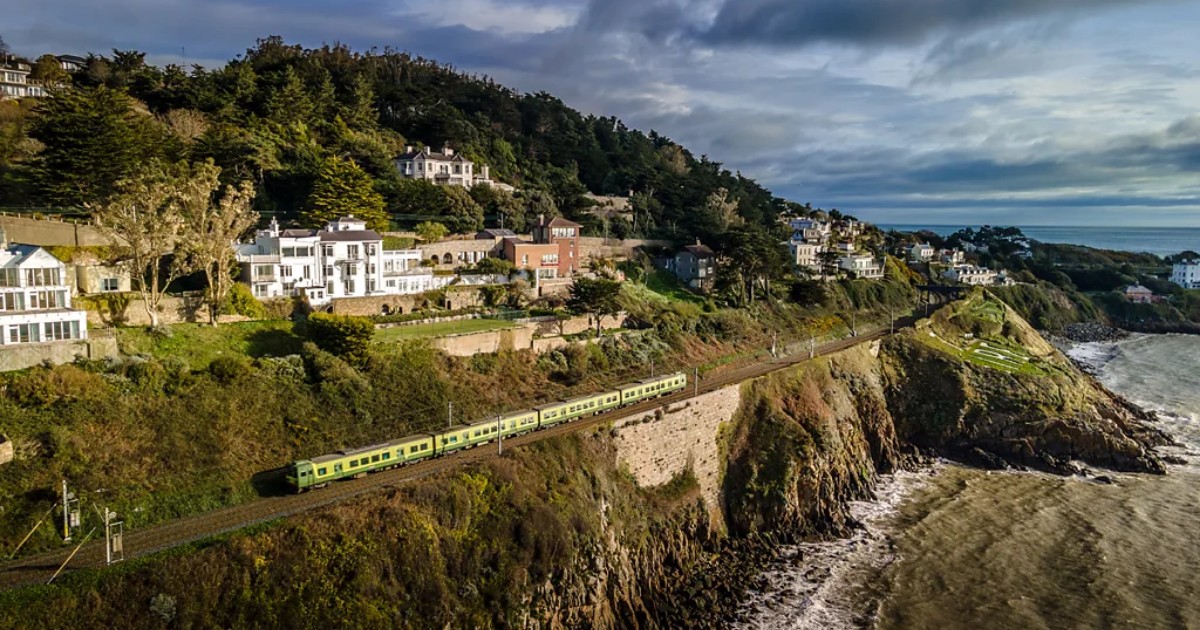
Fáilte Ireland recently expanded the scenic Dublin Coastal Trail to provide global travelers with an immersive journey through the country`s eastern coastline, BBC News confirmed. The self-guided rail trail offers a unique opportunity to explore Dublin Bay, which remains the only capital city entirely situated within a designated UNESCO Biosphere Reserve. This rare ecological haven highlights a working urban landscape where diverse wildlife and human inhabitants successfully coexist. The expansion aims to encourage international visitors to venture far beyond the traditional downtown core and experience the rich natural heritage of the region.
The expanded route stretches across more than 65 kilometers of picturesque shoreline, seamlessly linking 16 distinct coastal communities by train. Initially launched in 2022, the railway network received significant infrastructure upgrades earlier in 2026 to enhance the overall passenger experience. While commuters can easily ride the entire length of the coastal track in approximately 90 minutes, the true appeal of the journey lies in stepping off the train to discover hidden gems. Travelers are frequently treated to a diverse array of ancient fishing villages, medieval castles, rugged cliff paths, and exceptional local seafood establishments.
The northernmost terminus of the railway trail is located at Balbriggan, a charming seaside destination situated roughly 45 minutes away from the bustling city center. The station greets visitors with a sweeping view of a pale sandy beach and a historic lighthouse-tipped breakwater extending out into the Irish Sea. On any typical summer morning, local seniors can be seen wading into the cool waters while children explore the shoreline alongside scavenging gulls. This serene coastal setting feels completely removed from the urban energy of metropolitan Dublin, offering a peaceful retreat that many frequent travelers have never experienced.
Traveling further south along the transit line brings passengers to Malahide, where history enthusiasts can tour the magnificent 18th-century Ardgillan Castle and its expansive walled gardens. From Malahide, visitors can easily transfer to the specialized transit system to reach the breathtaking Howth peninsula on the northern edge of the biosphere. Howth features four distinct circular walking trails that wind along dramatic cliff faces, allowing hikers to scan the waters for harbor porpoises. The raw atmospheric conditions and sudden mists along these headlands evoke the rugged charm of western Ireland despite being located less than 30 minutes from downtown landmarks.
Situated at the ecological heart of the UNESCO reserve is North Bull Island, a critical conservation site renowned for its extensive sand dunes and rich salt marshes. The island serves as a vital sanctuary for numerous species of wading birds and rare native flora, making it a prominent destination for environmental scientists and nature lovers alike. Local authorities work closely with conservation groups to monitor the fragile ecosystems and ensure that increasing tourism does not disturb the natural habitats. This carefully managed balance between urban development and ecological preservation represents the foundational core of the biosphere philosophy.
Another exceptional stop along the southern stretch of the railway path is Blackrock, a vibrant community widely celebrated for its historic weekend market. The bustling market features more than 30 individual stalls offering a unique collection of artisanal crafts, vintage items, and fresh local produce. The neighborhood is also home to premium dining venues, including highly acclaimed restaurants that attract food enthusiasts from across the continent. Beyond the market, the nearby coastal walking paths offer excellent views of the open sea and lead directly toward the expansive harbor piers of Dún Laoghaire.
The historic port of Dún Laoghaire serves as a major hub for aquatic recreation, where visitors can engage in paddleboarding, catch public boat tours, or walk along the famous stone piers. A short distance down the coast lies Sandycove, a highly favored destination for wild swimming enthusiasts who gather daily at the famous Forty Foot bathing area. Sandycove also holds immense literary significance, housing the historic Martello tower that was prominently featured in the opening scene of James Joyce`s classic novel Ulysses. The defensive fort has since been transformed into a dedicated museum celebrating the author`s profound legacy and attracting literary pilgrims from around the globe.
What remains unclear is the long-term environmental impact that increased visitor foot traffic might have on the highly sensitive coastal ecosystems over the coming years. Environmental advocates have raised concerns that popularizing these previously secluded habitats could inadvertently stress local wildlife populations if not strictly monitored. Tourism boards have responded by implementing comprehensive sustainability guidelines and encouraging eco-friendly travel practices among all rail passengers. Given the highly unpredictable nature of Irish coastal weather, safety officials consistently advise all trail explorers to carry waterproof apparel and sturdy footwear during their excursions.
The ongoing development of the Dublin Coastal Trail illustrates how modern public transportation can be utilized to promote sustainable tourism while preserving vital regional heritage. By connecting distinct seaside villages through a unified rail network, the project has successfully revitalized local economies and provided small businesses with a steady stream of international commerce. As global travelers increasingly seek out destinations that combine urban convenience with raw natural beauty, this innovative coastal route stands out as an exemplary model. The continued success of the trail ensures that Dublin`s remarkable coast will remain preserved for future generations of explorers.