The Ministry of Public Security in Laos announced on Saturday that authorities cannot determine the final cause or blame regarding the tragic tourist deaths in Laos that occurred in November 2024, according to AFP. Laotian authorities stated that because the families of the victims refused to permit full medical autopsies on the bodies, the state lacked the critical forensic evidence necessary to legally establish a direct link to toxic methanol poisoning. The high-profile case involves six international backpackers from Australia, Great Britain, Denmark, and the United States who passed away after a night out in the popular riverside tourist destination of Vang Vieng. The handling of the investigation has triggered significant diplomatic tension between Vientiane and the foreign governments demanding systemic accountability for the mass poisoning.
Although forensic evidence regarding the exact cause of death was deemed insufficient for homicide charges, official laboratory tests conducted by the Laotian Ministry of Health discovered excessive levels of dangerous methanol within local Tiger Vodka bottles. Additionally, data shared by the Australian Embassy and a medical facility in neighboring Thailand confirmed that methanol had been detected in the blood of the two deceased Australian teenagers. Based on these findings, legal proceedings have been formally initiated against the owner of the local Tiger distillery for manufacturing and selling products hazardous to human health and operating an illegal commercial business. The Ministry of Foreign Affairs in Denmark confirmed that formal charges were finalized by local prosecutors, carrying a maximum penalty of up to four years in prison along with structural financial fines.
In response to the legal developments, Australian Foreign Minister Penny Wong expressed profound frustration and bitter disappointment that the Laotian judicial system failed to pursue more severe criminal charges reflecting the extreme gravity of the tragedy. The Australian government summoned the Laotian ambassador in Canberra to formally lodge its diplomatic objections regarding the apparent lack of transparency and systemic thoroughness in the local investigation. The families of the victims also released public statements condemning the lenient charges, stating that the light penalties made it feel as though the lives of their children did not matter to the local authorities. The international community has frequently criticized the regional legal system for its historical inability to guarantee comprehensive justice for foreign nationals involved in criminal incidents.
What remains unclear is how this high-profile judicial outcome will affect the long-term economic prospects of the international tourism sector across Southeast Asia over the coming years. In the wake of the devastating incident, both the Australian and Canadian governments upgraded their official travel advisories for the region, warning travelers to exercise extreme caution regarding local spirit-based beverages and cocktails. Methanol is a highly toxic, colorless industrial alcohol commonly found in paint thinners that is sometimes illegally mixed into commercial liquor supplies by disreputable vendors looking to cut production costs. Even small quantities of the chemical can be lethal to the human body, causing rapid gut absorption, liver damage, blindness, and complete metabolic failure.
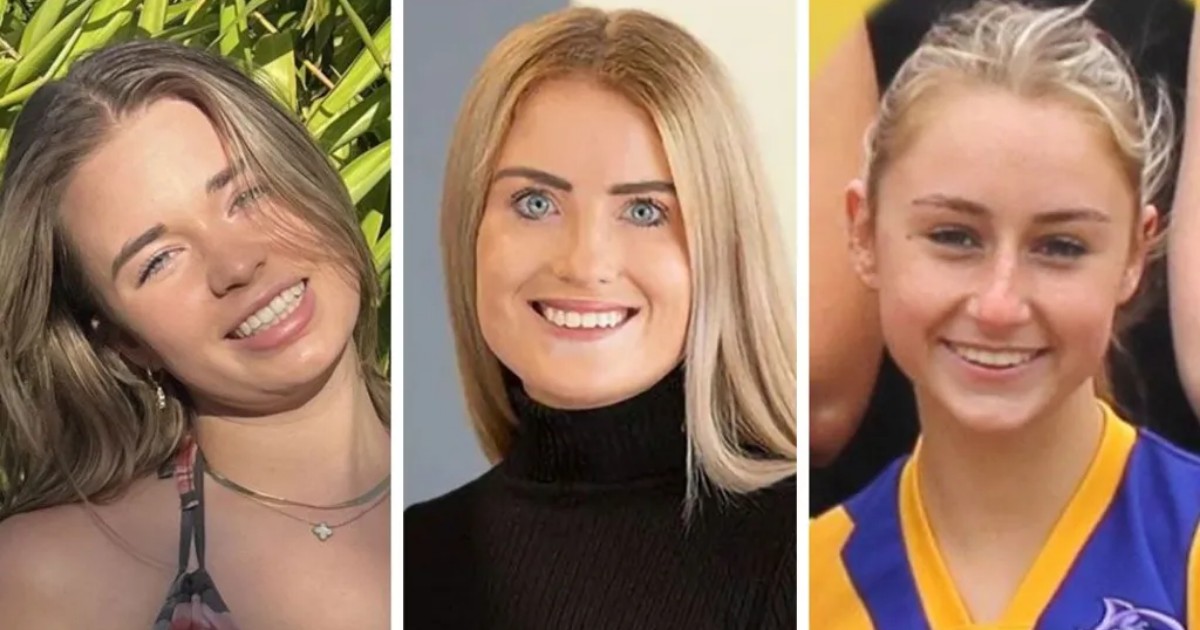
The victims of the fatal incident included twenty-eight-year-old British national Simone White, nineteen-year-old Australian citizens Bianca Jones and Holly Morton-Bowles, Danish nationals Anne-Sofie Orkild Coyman and Freja Vennervald Sorensen, and fifty-seven-year-old American citizen James Louis Hutson. Many of the deceased travelers were staying at the Nana Backpacker Hostel, where employees were previously accused of distributing free liquor shots to international guests before they collapsed in their rooms. Earlier this year, ten individuals associated with the lodging facility received suspended prison sentences and minor financial penalties for intentionally destroying potential forensic evidence. Following the tragedy, the British government launched a global public health campaign designed to educate young backpackers on the early warning symptoms of accidental methanol consumption while traveling abroad.